inquiry
Leave Your Message
0%

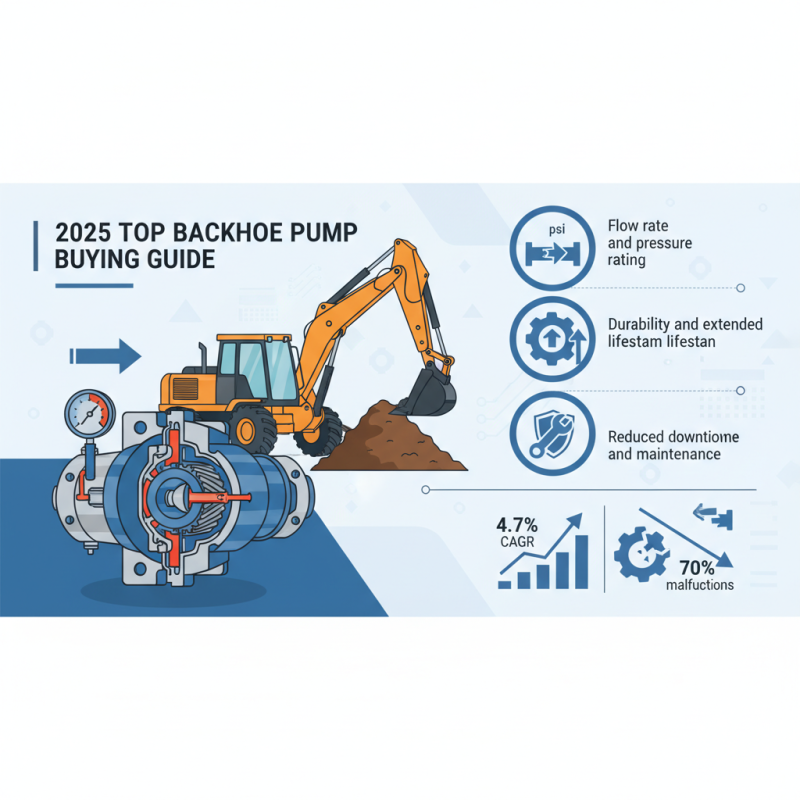
The Backhoe Pump might not be something you think about every day, but honestly, it's such a crucial part of construction and excavation work. It acts as the heart of the hydraulic system that powers backhoes, making everything run smoothly. If you’ve been following industry trends, you probably saw from the recent European Construction Equipment Market Report that the global demand for backhoe loaders is expected to keep growing at about 4.7% annually from 2021 to 2026. That’s pretty significant—it just shows how much we’re relying on efficient hydraulic systems now. With this rising demand, picking the right Backhoe Pump becomes a big deal because it can seriously affect how well your operation runs and how much it costs you in the long run.

When you're choosing a Backhoe Pump, things like flow rate, pressure, and durability are super important. Industry folks say investing in a quality pump isn’t just about performance; it also helps your equipment last longer. Did you know that a whopping 70% of Heavy Machinery breakdowns actually come from hydraulic system failures? Crazy, right? That’s why understanding what makes a good Backhoe Pump tick, and knowing what's available out there, is key for professionals who want to keep things running smoothly and avoid unnecessary downtime. Basically, this guide is here to help you get the lowdown on what to look for and the best options for backhoe pumps in 2025.

2025 Top Backhoe Pump Buying Guide Features Benefits and Top Choices

Top Factors to Consider When Buying a Backhoe Pump in 2025

When considering the purchase of a Backhoe Pump in 2025, there are several crucial factors to keep in mind to ensure you make an informed decision. First and foremost, the pump's capacity and performance specifications are vital. You should evaluate the pump's flow rate and pressure capabilities, as these will determine how effectively it can handle the tasks required on your job site. Compatibility with your backhoe model is another critical aspect. Ensure the pump is designed to fit seamlessly with your existing equipment to avoid costly compatibility issues and downtime.

Additionally, durability and maintenance features play a significant role in selecting a Backhoe Pump. Look for pumps made from high-quality materials that can withstand harsh working conditions. Consider the maintenance requirements of the pump, as easier serviceability can enhance the longevity of your equipment and reduce potential repair costs. Finally, reviewing user feedback and expert recommendations can provide insights into the reliability and performance of different models, helping you to choose wisely for your specific operational needs.

2025 Top Backhoe Pump Buying Guide Features Benefits and Top Choices

Feature Benefits Top Choices
Pump Type (Hydraulic, Gear) Improved efficiency and power output Hydraulic Pumps for dynamic applications
Flow Rate (GPM) Determines the speed of operation High flow rate pumps for faster tasks
Pressure Rating (PSI) Ensures optimal performance under load Heavy-duty pumps for tougher jobs
Material (Aluminum, Cast Iron) Durability and resistance to wear Aluminum for lightweight applications
Mounting Style Ease of installation and maintenance Universal mounting options
Noise Level (dB) Lower noise for better working conditions Quiet models for residential areas
Warranty Peace of mind with product reliability Extended warranties for high-value pumps

Key Features of High-Performance Backhoe Pumps: What to Look For

When selecting a high-performance Backhoe Pump, understanding its key features is crucial for ensuring efficiency and reliability on the job site. One of the primary considerations is the flow rate, typically measured in gallons per minute (GPM). According to industry reports, pumps with flow rates in the range of 20-40 GPM are optimal for most backhoe applications, delivering sufficient hydraulic power for digging and lifting tasks without sacrificing performance. Additionally, the pressure rating, which usually falls between 3000 to 5000 PSI, is essential for maintaining functionality under heavy loads and ensuring the pump can handle varied operational demands.

Another significant feature is the build quality of the pump, particularly the materials used in construction. Durability is enhanced through the use of high-grade steel and composite materials, helping to resist wear from abrasive materials encountered during excavation. Research indicates that components designed with improved seals and bearings can extend the life of the pump by up to 30%, reducing downtime and maintenance costs.

Lastly, the compatibility with hydraulic systems cannot be overlooked. A Backhoe Pump must be versatile enough to integrate seamlessly with existing machinery, making it imperative to consider specifications like mounting dimensions and hydraulic connection types. Studies suggest that well-matched pumps can lead to productivity increases of up to 25%, highlighting the importance of thoughtful selection in maximizing operational output.

Understanding Pump Efficiency Ratings and Their Importance

2025 Top Backhoe Pump Buying Guide Features Benefits and Top Choices

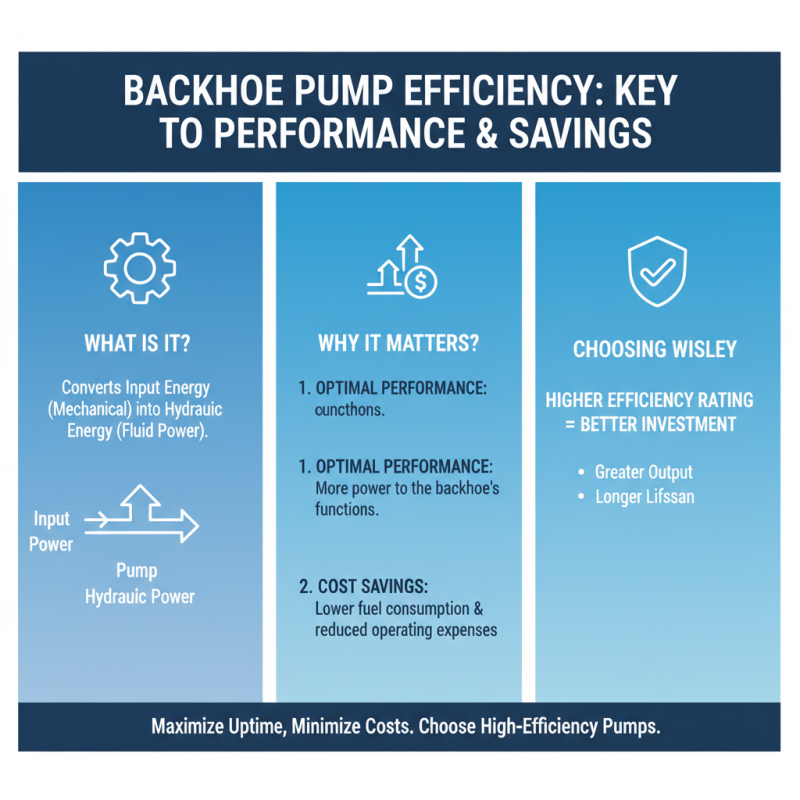
When purchasing a Backhoe Pump, understanding pump efficiency ratings is crucial for optimal performance and longevity. Efficiency ratings indicate how well a pump converts input energy into hydraulic energy, which directly impacts operational costs and performance. A higher efficiency rating signifies better performance, resulting in lower energy consumption and operating expenses. It's essential to consider these ratings when evaluating different pumps to ensure you are making a sound investment.

Tips: Always check the manufacturer's specifications for efficiency ratings before making a purchase. Look for pumps designed to operate at the specific pressure and flow rates needed for your projects, as this alignment can significantly improve efficiency.

Additionally, the importance of matching the pump's efficiency with the type of work it will perform cannot be overstated. A pump that works efficiently under the right conditions can enhance overall productivity. Ideally, you want a pump that not only meets your current requirements but is also adaptable enough to handle future tasks, providing long-term value.

Tips: Consider conducting a cost-benefit analysis based on the pump's efficiency over its expected lifespan. This will help you prioritize between initial cost and future savings on energy and maintenance.

Benefits of Hydraulic vs. Mechanical Backhoe Pumps in Construction

When considering backhoe pumps for construction, the choice between hydraulic and mechanical systems is crucial. Hydraulic backhoe pumps utilize fluid power to amplify force, offering seamless and precise control over lifting and digging tasks. This allows operators to adjust the power output based on the demand of the job at hand, leading to greater efficiency and versatility. Additionally, hydraulic pumps often have a higher power-to-weight ratio, making them ideal for heavy-duty applications where strength is essential.

On the other hand, mechanical backhoe pumps are typically more straightforward in design and can be easier to maintain. They rely on a series of gears and levers, which can provide reliable performance in less complex operations. While they may not match the power and adaptability of hydraulic systems, they can be a suitable choice for projects that prioritize simplicity and cost-effectiveness. Ultimately, the decision between hydraulic and mechanical pumps will depend on specific project requirements, including the scale of work and desired operational flexibility.

Comparison of Leading Backhoe Pump Brands in 2025

When considering the leading backhoe pump brands in 2025, it's crucial to evaluate the distinctive features and benefits each brand offers. Many manufacturers have made significant advancements in technology, resulting in pumps that are not only more efficient but also provide enhanced durability. User feedback and industry reviews play a vital role in identifying brands that stand out in terms of reliability and performance, ensuring that operators can trust their equipment in demanding work environments.

In addition to performance, the key aspects to compare include ease of maintenance, availability of replacement parts, and customer support services. Some brands offer innovative designs that simplify routine service, while others may provide more comprehensive warranties, emphasizing their confidence in product longevity. By analyzing these attributes, users can make informed choices that align with their specific operational needs, ultimately leading to improved productivity and reduced downtime in their projects.

Maintenance Tips to Extend the Life of Your Backhoe Pump

Maintaining your backhoe pump is crucial for ensuring its longevity and optimal performance. Regular maintenance not only helps in identifying potential issues before they become serious but also enhances the efficiency of your equipment. One essential tip is to regularly check the fluid levels in your pump; low fluid levels can lead to overheating and premature wear. Keeping your pump's fluids clean also helps in minimizing the introduction of contaminants that could damage internal components.

Another important aspect of pump maintenance is to inspect and replace filters as needed. Clogged filters can restrict fluid flow, leading to reduced performance and increased strain on the pump. Make it a routine to clean or replace filters based on the manufacturer’s recommendations, or sooner if you notice any performance issues.

Additionally, lubricating moving parts and ensuring all connections are tight can prevent leaks and mechanical failures. Simple actions like checking hoses for wear and tear can save you from costly repairs down the line. Remember, taking the time to maintain your backhoe pump will not only extend its life but also enhance your overall productivity on the job site.

Industry Insights: Trends Shaping the Future of Backhoe Pumps

The landscape of backhoe pumps is rapidly evolving, driven by technological advancements and changing industry demands. One prominent trend is the increasing emphasis on energy efficiency. As fuel prices rise and environmental regulations tighten, manufacturers are focusing on developing pumps that deliver higher performance with lower energy consumption. This shift not only helps operators reduce operational costs but also aligns with global sustainability initiatives.


In addition to energy efficiency, automation is becoming a key factor influencing the design and functionality of backhoe pumps. With the advent of smart technology and IoT integration, modern pumps are equipped with sensors and predictive analytics capabilities. This allows for real-time monitoring of performance and maintenance needs, reducing downtime and preventing costly repairs.


Operators are increasingly looking for solutions that enable seamless integration with their existing machinery, paving the way for hybrid systems that enhance overall productivity while minimizing the carbon footprint. Overall, the future of backhoe pumps is being shaped by innovation, efficiency, and smart technology, offering a wealth of opportunities for both manufacturers and users.

FAQS

: What factors should I consider when buying a backhoe pump in 2025?

: When purchasing a backhoe pump, consider its capacity and performance specifications, compatibility with your backhoe model, durability, and ease of maintenance. Additionally, reviewing user feedback and expert recommendations can help inform your decision.

Why are pump efficiency ratings important when selecting a backhoe pump?

Pump efficiency ratings indicate how effectively a pump converts input energy into hydraulic energy, impacting operational costs and performance. Higher efficiency ratings lead to lower energy consumption and operating expenses, making them crucial for a sound investment.

How can I ensure my backhoe pump performs efficiently?

To ensure optimal performance, check the manufacturer's specifications for efficiency ratings and match the pump's capabilities to the specific pressure and flow rates required for your projects.

What maintenance practices can help extend the life of my backhoe pump?

Regularly check fluid levels, keep fluids clean, inspect and replace filters, lubricate moving parts, and ensure tight connections. These practices will help identify potential issues early and enhance overall equipment efficiency.

How often should I check the fluid levels in my backhoe pump?

It is recommended to check fluid levels regularly, as low fluid levels can lead to overheating and wear. Maintaining proper fluid levels is essential for optimal pump operation.

What should I do if my pump's filters become clogged?

If you notice reduced performance, inspect the filters and clean or replace them as needed. Following the manufacturer’s recommendations for maintenance frequency can help prevent performance issues.

Why is it important to check hoses for wear and tear?

Checking hoses for wear and tear can prevent leaks and mechanical failures, which can lead to costly repairs. Regular inspections are key to maintaining the integrity of your backhoe pump.

Can I perform maintenance on my backhoe pump myself?

Yes, many maintenance tasks, such as checking fluid levels, replacing filters, and lubricating parts, can be performed by users. However, always refer to the manufacturer's guidelines for specific recommendations.

How does the durability of a backhoe pump affect my investment?

Choosing a pump made from high-quality materials that can withstand harsh conditions will enhance its longevity and performance. This ultimately reduces potential repair costs and increases the return on your investment.

Is it important to consider future tasks when buying a backhoe pump?

Yes, selecting a pump that not only meets current needs but is also adaptable for future tasks can provide long-term value and improve overall productivity.

Conclusion

In 2025, choosing the right Backhoe Pump is crucial for optimizing construction efficiency. Key factors to consider include pump efficiency ratings, which indicate the performance and energy consumption of different models. When evaluating high-performance pumps, look for essential features like durability, ease of maintenance, and compatibility with various backhoe attachments. Understanding the benefits of hydraulic versus mechanical pumps is also important, as each type offers distinct advantages depending on the specific application needs.

Additionally, maintaining your Backhoe Pump through regular inspections and servicing can significantly extend its lifespan and efficiency. As the industry evolves, staying informed about trends, such as advancements in technology and sustainable practices, will impact the future landscape of backhoe pumps. This comprehensive guide serves as a valuable resource for making informed purchasing decisions in today's competitive market.

Isabella

Isabella

Isabella is a skilled marketing professional at Guangzhou FuTeBang Machinery Equipment Co., Ltd., a company that has been a cornerstone in the excavator parts industry for over 15 years. With her extensive experience and deep understanding of the market, Isabella is adept at integrating production,......
Previous Unlocking the Power of Hydraulic Excavators in Modern Construction Techniques
Next Top Tips for Choosing the Best Hydraulic Hammer for Your Construction Projects