inquiry
Leave Your Message
0%

You know, when 2026 rolls around, buyers across the globe are really taking a hard look at how attachments perform—not just in terms of speed, but safety and how easy they are to maintain. And honestly, a Hydraulic Coupler? It can completely change the vibe of an excavator's workday in just a few minutes. Picture this: an operator switching from a bucket to a breaker right there in the mud next to a trench. That kind of practical flexibility is a big deal, whether you're crammed into a tight urban site or out on some remote infrastructure job in the middle of nowhere.

So, Grand View Research put out their 2024 Construction Equipment analysis, and they're really emphasizing rental growth, infrastructure investment, and how versatile attachments are – those are the big market drivers. Meanwhile, MarketsandMarkets is also pointing to automation, better machine utilization, and hydraulic efficiency as the key trends to watch. But here's the thing: neither of these reports really gives you a solid forecast on couplers specifically. And that's probably because the market is still all over the place – different regions define things differently, which is honestly a bit of a headache. This limitation is something we can't just ignore, right?

John Deere's attachment specialist, Greg Worley, once said, 'The right attachment helps customers get more from every hour of machine time.' That's pretty spot on, especially when you're picking out a coupler. But hey, you can't just focus on productivity alone. You also need to think about things like locking indicators, keeping hydraulic contamination in check, pin geometry, how good the operator's visibility is, and whether you can easily get spare parts locally. And here's the kicker: a cheap upfront price might end up costing you a fortune down the road if you keep dealing with seal failures or tough maintenance.

Look, the perfect Hydraulic Coupler for a European rental fleet? It might be a total flop for a mining contractor in Australia. Climate, the class of excavator, how heavy the attachments are, and even how well your operators are trained—they all play a role in this decision. Sure, ISO compatibility helps a ton, but it doesn't magically solve every issue you'll face in the field. In this guide, we're going to walk you through the main Hydraulic Coupler types out there, comparing them with real performance data, firsthand application experience, and how transparent the suppliers actually are. And honestly, some of our conclusions are still up in the air, so take them with a grain of salt. I mean, real feedback from the job site? It can totally mess with what those catalogs promise. But that's exactly why you still have to do a careful side-by-side comparison—it makes all the difference.
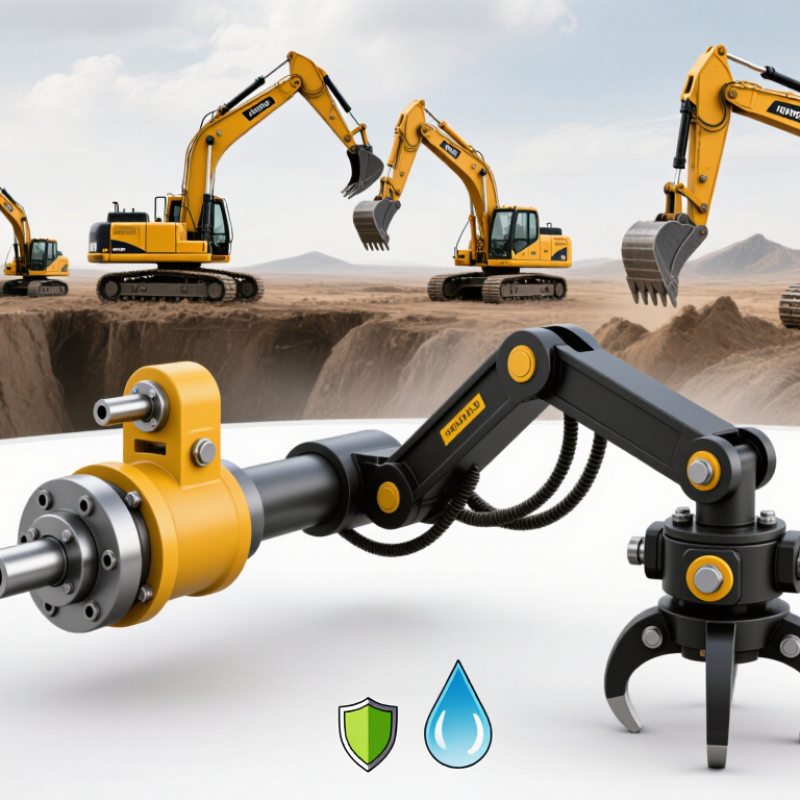
2026 Best Hydraulic Coupler Types for Global Buyers?

Hydraulic Couplers: Definition, Purpose, and Core Operating Principles

A Hydraulic Coupler is a quick connection device for transferring pressurized fluid between a machine and an attachment. It lets operators change tools without repeatedly disconnecting hoses by hand. In practical excavator work, a coupler must match the hose size, pressure rating, fluid type, and attachment circuit. A small mismatch can create heat, leakage, or slow tool movement.

Its operating principle is simple but carefully engineered. Two mating halves contain poppet valves or flat-face valves. When connected, the valves open and create a sealed flow path. When separated, internal springs close the passages and limit fluid loss. Pressure matters. Trapped pressure can prevent connection, even when the coupler appears correctly aligned. Relieving system pressure before attachment changes remains a basic safety practice.

Global buyers commonly compare flat-face, screw-to-connect, and high-flow couplers. Flat-face designs reduce contamination and are practical for frequent tool changes. Screw-to-connect models can tolerate demanding hydraulic loads, but they usually require more time. High-flow couplers suit attachments that consume substantial oil volume. The best choice depends on real operating conditions, not catalog appearance. Check Valve quality, seal material, temperature range, and service access before purchasing. A coupling that works well in clean conditions may struggle on dusty sites. No selection is perfect. Periodic inspection is still necessary.

Key Hydraulic Coupler Types for Different Equipment Applications

For 2026 equipment planning, Hydraulic Coupler selection should match the attachment and working conditions. Pin-grabber couplers suit excavators handling buckets with standard pin layouts. Wedge-lock couplers provide firm contact for frequent digging and lifting work. Fit is not universal.

Tilt couplers help excavators grade slopes, clean trenches, and shape drainage channels with fewer machine movements. Hydraulic Quick Couplers support fast attachment changes on busy construction sites.

For wheel loaders, heavy-duty couplers are better for forks, buckets, and material handling tools. Skid steer loaders often need compact couplers with suitable hydraulic flow and locking clearance. An oversized coupler can reduce breakout force and visibility.

Reliable selection starts with checking pin diameter, pin spacing, attachment weight, hydraulic pressure, and auxiliary flow. Dust, mud, and frozen debris can affect locking performance, even when the coupler is correctly installed. A visible lock indicator helps operators confirm engagement from the cab. Mechanical retention remains valuable if hydraulic pressure drops unexpectedly.

In field inspections, many problems come from mismatched dimensions rather than poor coupler construction. I have seen a coupler fit one bucket but fail on another attachment with a slightly different pin profile. That experience deserves attention. Confirm the machine manual, attachment drawings, and coupler test procedure before purchase. Regularly inspect pins, bushings, hoses, and locking components for wear. Safety checks take minutes, but rushed changes can damage equipment and interrupt a workday.

How to Compare Coupler Design, Size, Pressure, and Connection Standards

Choosing the right Hydraulic Quick Coupler starts with the machine’s real working conditions, not a catalog photograph. A flat-face coupler reduces fluid contamination during frequent attachment changes. Screw-to-connect designs can handle demanding applications, but they take longer to install. Push-to-connect types save time, although side loading may shorten service life. I have seen buyers select by hose diameter alone. That was an expensive mistake.

Size must match flow requirements, port dimensions, and available installation space. An oversized coupler may increase pressure loss and add unnecessary weight. Check the working pressure, surge pressure, and temperature range separately. They are not the same value. Connection standards also matter. Thread profiles, sealing methods, and male-female compatibility should be verified with drawings, not assumptions. Metric, BSP, and NPT threads can appear similar. They are not interchangeable.

Tips: Record actual flow and pressure during operation. Compare the coupler’s rated values with those measurements. Inspect the sealing surface, locking sleeve, and dust protection before approval. Ask for material data, test records, and dimensional tolerances from the supplier. Field trials are useful, but one test is not enough. I still leave room for doubt, especially when contamination levels are unknown. A coupler that performs well indoors may struggle in mud, rain, or freezing conditions. That detail is easy to overlook.

Material, Sealing, and Safety Features That Affect Coupler Performance

For global buyers, a Quick Couplershould be judged by material, sealing, and safety design, not appearance. Carbon steel suits Heavy Excavator work, while stainless steel performs better near saltwater and corrosive chemicals. Heat-treated locking balls reduce deformation under repeated impact. However, cheaper steel can look acceptable during inspection. That is a trap.

Sealing materials control leakage, pressure stability, and service life. Nitrile seals handle common mineral oils and moderate temperatures. Fluorocarbon seals tolerate higher heat and aggressive fluids, but they cost more. The 2024 Global Hydraulic Equipment Market analysis by Fortune Business Insights identifies construction and industrial machinery as major demand sectors. This supports selecting seals for actual duty cycles, not average workshop conditions. ISO 16028 guidance also emphasizes flat-face coupling designs that limit fluid loss and contamination during connection. Still, no seal survives badly aligned coupling faces. I have seen clean-looking fittings leak after one careless connection.

Tips: Check the published pressure rating against peak pressure, not normal pressure. Inspect locking sleeves, springs, and dust caps before shipment. Choose a coupler with visible engagement confirmation. A secondary locking mechanism adds protection when vibration is severe. The National Fluid Power Association’s 2024 industry outlook continues to highlight maintenance and reliability as key purchasing concerns. That makes spare seals and compatible replacement parts practical requirements. Buyers should also request cycle-test evidence, because catalog ratings can hide real-world wear. Safety improves when operators cannot disconnect the line accidentally, but design alone is not enough. Training remains imperfect. Plan for that.

Global Compatibility Factors: Standards, Attachments, and Operating Conditions

2026 Best Hydraulic Coupler Types for Global Buyers?

Choosing the best hydraulic coupler starts with compatibility, not catalog appearance. Global buyers should verify interface dimensions, pin diameter, hydraulic pressure, and flow requirements. Standards matter because excavators and attachments may follow different regional specifications. A coupler built for one connection pattern may not lock correctly on another machine. Always request measured drawings and certified load data before ordering.

Attachment design also affects coupler selection. Buckets, breakers, grapples, and compact tools create different impact and torque loads. A Hydraulic Kit should include suitable hoses, valves, adapters, and protective fittings. Check whether the attachment needs single-acting or double-acting hydraulics. Quick visual checks help, but they cannot replace pressure testing. Small leaks often appear after several operating hours.

Operating conditions can change the practical choice. Cold regions may require low-temperature seals and flexible hose covers. Dusty quarries demand protected locking parts and easier cleaning access. Coastal work exposes steel components to salt and faster corrosion. Field technicians should inspect lock indicators before every attachment change. A checklist helps, although it is not perfect. In real projects, buyers sometimes overlook return-line pressure or hose routing. That mistake can reduce cycle speed and damage components. Test the complete machine and attachment together under realistic loads.

How to Select the Best Hydraulic Coupler for Your 2026 Requirements

Choosing the best hydraulic coupler for your 2026 requirements starts with the machine, not the catalog. Match the coupler to your excavator’s operating weight, hydraulic flow, and working pressure. A compact excavator may need a lightweight pin-grabber coupler. Heavy demolition work often requires a stronger hydraulic model with reinforced locking areas. Check the attachment interface carefully. A few millimeters of mismatch can create dangerous movement and rapid wear.

Field experience shows that cycle speed matters, but secure engagement matters more. Confirm whether your Hydraulic Pump can supply the coupler’s required flow without reducing attachment performance. Review cylinder protection, lock indicators, hose routing, and visibility from the cab. For muddy sites, choose designs that tolerate contamination and allow practical cleaning. For international purchasing, verify available spare seals, service instructions, and local technical support. These details often decide downtime.

Tips: Request measured pressure and flow data from the machine. Do not rely only on model names. Inspect the coupler after the first working week, especially around pins and locking components. A written compatibility sheet helps prevent expensive assumptions. I have seen buyers focus on purchase price and regret ignoring maintenance access. That judgment is understandable, but incomplete. No selection chart replaces a real attachment test. Test before committing.

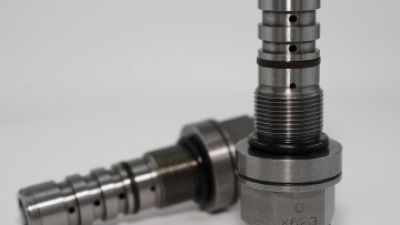
FTB-Komatsu PC60-7 LS Valve: Reliable Hydraulic Performance from Trusted China Suppliers

The PC60-7-compatible LS valve is designed to support stable hydraulic control in excavators operating under changing load conditions. By regulating pressure and flow according to demand, a load-sensing valve can help reduce unnecessary pump output, improve attachment response, and support smoother multifunction operation. According to the International Energy Agency, hydraulic systems can account for a significant share of energy consumption in mobile machinery, making efficient flow management an important consideration for equipment owners.

Manufactured in China, this replacement valve is suitable for maintenance programs requiring consistent specifications, practical pricing, and dependable availability. Industry analysis from Off-Highway Research continues to identify Asia as a major center for construction-equipment production and component supply, supported by broad manufacturing capacity and competitive export networks. With a stated supply capacity of up to 10,000 units per month and flexible delivery scheduling, the product supports both routine repairs and larger fleet requirements.

The valve is offered with factory-direct sourcing, complete-model selection, and coordinated after-sales service. A six-month warranty provides additional support for buyers evaluating replacement hydraulic components, while quality inspection and supplier communication help reduce compatibility and installation risks. Its application is particularly suitable for distributors, repair workshops, and equipment operators seeking reliable hydraulic performance from established China-based suppliers.

FAQS

How should I choose a hydraulic coupler design?

Start with working conditions, not catalog photographs. Flat-face designs limit fluid loss during frequent changes. Screw-to-connect designs suit demanding service but install slowly. Push-to-connect models save time, yet side loading can reduce service life. Not always simple.

How do I select the correct coupler size?

Match flow rate, port dimensions, and installation space. An oversized coupler adds weight and may increase pressure loss. Hose diameter alone is not enough. Measure the actual machine connection before ordering.

Which pressure values should I compare?

Check working pressure, surge pressure, and temperature range separately. They describe different operating risks. Record pressure during real operation, including sudden peaks. Normal pressure can hide damaging surges.

Are metric, BSP, and NPT threads interchangeable?

No. Similar-looking threads can have different profiles and sealing methods. Verify thread type, male-female compatibility, and dimensions with drawings. Never rely on appearance alone.

Which materials work in different environments?

Carbon steel suits heavy equipment and repeated impact. Stainless steel better resists saltwater and corrosive surroundings. Heat-treated locking parts can reduce deformation. Cheaper steel may look acceptable but wear quickly.

How do sealing materials affect performance?

Nitrile seals suit common mineral oils and moderate temperatures. Fluorocarbon seals tolerate higher heat and more aggressive fluids. Select seals for real duty cycles, not average workshop conditions. A clean fitting can still leak.

What safety features should a coupler include?

Look for visible engagement confirmation, protected locking sleeves, and durable dust caps. Secondary locking helps during severe vibration. Inspect springs, locking parts, and sealing faces before shipment. Training still matters.

How should I test coupler compatibility?

Verify interface dimensions, pin diameter, pressure, and flow requirements. Test the complete machine and attachment under realistic loads. Check for leaks after several operating hours. One test is not enough.

Which conditions require extra attention?

Cold regions need low-temperature seals and flexible hose protection. Dusty sites need protected locks and easy cleaning access. Coastal work accelerates corrosion. Inspect lock indicators before every attachment change. Check return-line pressure and hose routing too.

Conclusion

This guide explains how a Hydraulic Coupler connects excavators, loaders, and other machinery to attachments, allowing operators to change tools efficiently while maintaining hydraulic power and control. It reviews key coupler types, including mechanical, hydraulic, quick, tilt, and multi-connection designs, and shows how each suits different equipment applications. Readers will learn how coupler size, flow rate, working pressure, attachment weight, and connection standards influence compatibility and performance.

The guide also examines the importance of durable materials, reliable seals, corrosion resistance, locking systems, pressure control, and safety indicators in demanding environments. For global buyers, it highlights the need to verify attachment dimensions, port configurations, thread or flange standards, temperature ranges, and operating conditions before purchase. By comparing equipment requirements, maintenance expectations, installation methods, and long-term operating costs, buyers can select the best Hydraulic Coupler for their 2026 projects with greater confidence, efficiency, and safety.

Sophia

Sophia

Sophia is a seasoned marketing professional at Guangzhou FuTeBang Machinery Equipment Co., Ltd., where she has dedicated over 15 years to the excavator parts industry. With an unwavering commitment to excellence, she plays an integral role in the company's operations by seamlessly integrating......
Previous How to Choose the Right Motor Oil Pump?