inquiry
Leave Your Message
0%

Choosing the right Hydraulic Excavator in 2026 isn’t just about comparing engine power or bucket capacity. Not even close, really. Buyers around the world deal with different ground, transport rules, fuel prices, and what service actually looks like on the ground. A 2-ton mini excavator might be perfect for urban utility work, while a 30-ton crawler is usually a better fit for deep foundations, quarry benches, and serious earthmoving. And yes, the little things matter. Mud around the tracks matters. So does how far away the nearest parts warehouse is.

Industry reports can point you in the right direction, but they don’t replace good field judgment. KHL Group’s Yellow Table 2025, for example, still shows plenty of competition among big Construction Equipment manufacturers—Caterpillar, Komatsu, Volvo Construction Equipment, Hitachi Construction Machinery, Liebherr, and others. Off-Highway Research also keeps an eye on regional equipment demand, ownership trends, and replacement cycles in major markets. Taken together, these sources suggest buyers are looking more at productivity, machine availability, telematics, operator safety, and lifecycle cost as a package. Purchase price alone? That’s becoming a pretty weak way to judge a machine.

So this guide looks at the best Hydraulic Excavator types for global buyers in 2026. We’ll cover mini, midi, crawler, wheeled, long-reach, amphibious, demolition, and electric options. Each type is built for a different job. None of them is perfect. An electric excavator can cut local emissions, but charging access might limit productivity on remote sites. A wheeled excavator moves quickly between projects, though it may need careful stabilization on soft ground. Specs can look great on paper. Real performance, though, depends on operators, attachments, maintenance, and dealer support. That’s why our comparisons pull together manufacturer data, industry research, practical site considerations, and—honestly—the limitations that matter.
2026 Best Hydraulic Excavator Types for Global Buyers?

What Is a Hydraulic Excavator?

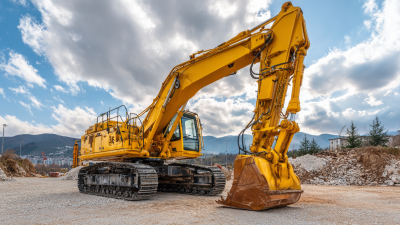
A Hydraulic Excavator is a tracked or wheeled machine that digs, lifts, and moves materials through hydraulic power. Unlike a simple mechanical digger, it transfers engine energy into pressurized oil. This oil moves the boom, arm, bucket, and swing motor with controlled force.

The Excavator Hydraulic Pump is the system’s working heart. It sends pressurized fluid through valves and hoses to different actuators. When the operator moves a control lever, oil enters a hydraulic cylinder. The cylinder extends or retracts, changing the bucket position. This process feels smooth, but it depends on accurate pressure, clean fluid, and sealed connections.

Hydraulic Excavators come incompact, standard, heavy-duty, long-reach, and wheeled forms. Compact models fit narrow construction areas and reduce ground damage. Heavy-duty machines suit quarrying, deep foundation work, and large earthmoving tasks. Long-reach versions can clear waterways or reach unstable edges from safer distances.

Small leaks matter. A buyer should inspect hose joints, cylinder rods, pump noise, and oil color before purchase. Dark fluid may indicate overheating or poor maintenance. On wet ground, track width and undercarriage condition deserve close attention. A wheeled excavator may travel faster between urban sites, but it needs suitable road access and stable working surfaces. Specifications can look impressive on paper. Real productivity still depends on operator skill, soil conditions, attachment choice, and service support. I have seen machines lose hours because a minor seal problem was ignored. That was preventable, though not always obvious.

How Hydraulic Excavators Work

Hydraulic Excavators convert engine power into controlled digging force.A diesel or electric motor drives a Hydraulic Pump. The pump pressurizes oil inside a closed circuit. That oil travels through hoses, valves, and steel pipes. The control valve directs flow toward the selected actuator.

When an operator moves a joystick, the valve changes oil direction. Pressurized fluid then enters a hydraulic cylinder. The cylinder extends or retracts, moving the boom, arm, or bucket. Another motor turns the upper structure or drives the tracks. The bucket does not move by magic. Pressure, flow, leverage, and timing work together.

Small details affect real performance. Cold oil can slow cylinder movement. Dirty filters may restrict flow and increase heat. Low oil levels can cause noise, weak digging, or pump damage. Operators should inspect hoses for abrasion, leaks, and loose fittings before work begins. A warm-up period also protects seals during cold mornings. Never treat a pressure leak as harmless. A thin oil jet can penetrate skin.

In difficult ground, the machine may feel powerful but still lose efficiency. Excessive load can raise hydraulic temperature and shorten component life. I have found that simple explanations often hide this weakness: excavator performance depends on maintenance, soil conditions, attachment weight, and operator judgment. The system is efficient, but not forgiving.

Main Hydraulic Excavator Types Available in 2026

Main Hydraulic Excavator Types Available in 2026

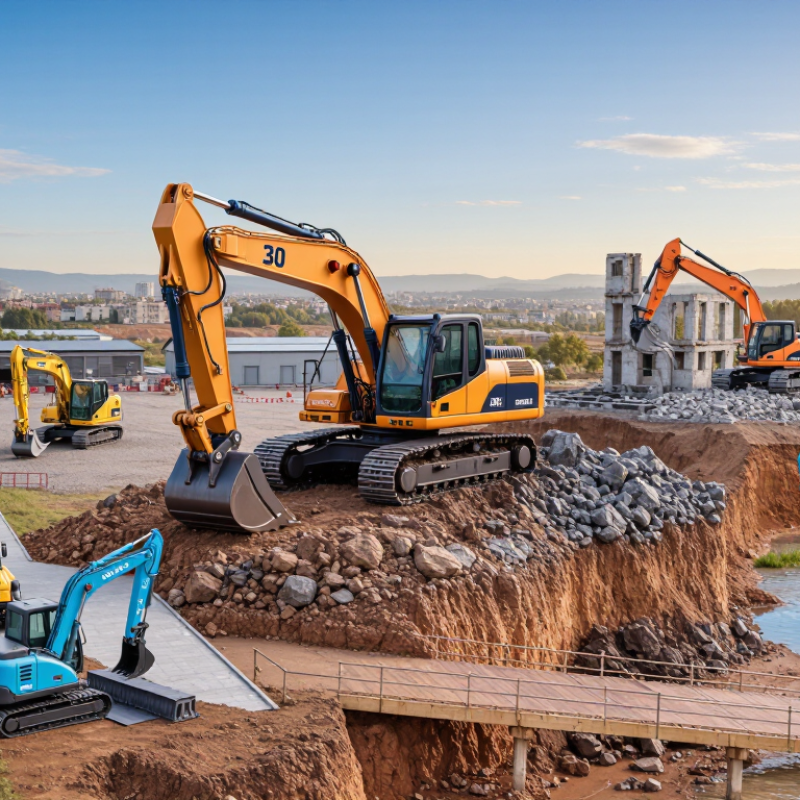
The 2026 excavator market offers several practical configurations for global buyers. Mini excavators, usually below 6 tonnes, suit landscaping, utility trenches, and narrow urban sites. Their compact tails reduce damage near walls. Midi excavators, roughly 6 to 15 tonnes, provide more digging force without demanding large transport systems. Standard crawler excavators remain the flexible choice for foundations, roads, quarry work, and general earthmoving.

Large excavators deliver high bucket capacity for mining and major infrastructure projects. Wheeled excavators move faster between paved work areas, while long-reach models handle canals, dredging edges, and deep slopes. Zero-tail-swing units help contractors working beside traffic or buildings. Electric and low-emission versions are also expanding, especially where noise and local air quality matter.

Quiet machines matter.

Grand View Research reported that the global Construction Equipment market could grow at about 4.8% annually through 2030, with excavators representing a major equipment segment. A 2024 Research and Markets outlook also identified urban construction and infrastructure spending as important demand drivers. These reports use different market definitions, so the figures are not perfectly comparable.

Buyers should match machine weight, hydraulic flow, reach, transport limits, and local service access. Hydraulic Excavator Parts availability deserves equal attention. A powerful machine can become expensive when filters, pumps, or seals arrive late. This is where many purchase plans look strong on paper, but fail in real operation. Consider the attachment first, not only the excavator size.

How Excavator Size and Tonnage Affect Performance

2026 Best Hydraulic Excavator Types for Global Buyers

How Excavator Size and Tonnage Affect Performance

Excavator size directly shapes digging force, stability, transport cost, and daily output. A compact 5-ton machine works well in narrow streets, landscaping areas, and light utility projects. Its lower weight reduces ground damage and simplifies transport. A 20-ton excavator offers deeper reach, stronger breakout force, and better stability on demanding sites. Bigger is not always better.

Field experience shows that soil conditions often matter more than expected. Soft ground may require a wider undercarriage or lower operating pressure. Rocky soil demands adequate hydraulic flow and a strong attachment system. Buyers should compare bucket capacity, maximum digging depth, tail swing, and lifting limits. These figures reveal practical performance better than tonnage alone.

Excavator Hydraulic Parts also influence how effectively a machine uses its rated power. A healthy pump, properly sized valve, and clean hydraulic lines help maintain smooth cycle times. Small leaks can reduce pressure and increase fuel use. This detail is easy to overlook. I have seen purchase plans favor high tonnage while ignoring transport limits and service access. That decision can create unnecessary downtime. Operators should test the machine with its intended attachment, not only an empty bucket. A breaker, auger, or lifting hook can change the balance, heat load, and real working speed.

How size and tonnage affect performance:As operating weight increases, Hydraulic Excavators generally deliver greater lifting stability, breakout force, digging depth, and bucket capacity. Smaller machines are better suited to urban construction, landscaping, and utility work, while medium and large excavators provide higher productivity for foundations, road building, quarrying, and heavy earthmoving. Actual performance varies with boom configuration, hydraulic pressure, attachment choice, soil conditions, and transport restrictions.

How to Match Excavator Types to Global Job Requirements

Matching an excavator to the job starts with ground conditions, not engine size. A compact excavator suits narrow streets, landscaping, and utility trenches. Its smaller tail swing reduces contact risks near walls. A crawler excavator offers better stability on soft ground. However, it may transport poorly across remote regions.

For deep foundations, quarry work, and large earthmoving, heavy excavators provide reach and breakout force. Long-reach models work well beside canals and unstable slopes. Wheeled excavators move faster between urban sites, but they need firmer surfaces. In my field experience, buyers often overestimate horsepower and underestimate transport limits. That mistake raises costs quickly.

KHL’s 2024 Yellow Table reported approximately 235.9 billion dollars in global construction equipment sales during 2023. This scale shows strong demand, but it does not justify choosing the largest machine. The World Bank’s 2023 logistics performance data also highlights major differences in transport reliability between markets. Buyers should check local road access, container dimensions, fuel availability, and technician coverage.

Hydraulic attachments matter too. A breaker needs suitable hydraulic flow and cooling capacity. A bucket should match soil density and trench width. Automation can improve consistency, yet it cannot replace site judgment. Sometimes, the cheaper machine is not the economical one. That deserves a second look.

How to Compare Efficiency, Cost, Safety, and After-Sales Support

2026 Best Hydraulic Excavator Types for Global Buyers?

Efficiency should be measured at the jobsite, not in a brochure. A Small Hydraulic Excavator often suits urban trenches, landscaping, and utility repairs. Larger models deliver better output in quarrying or deep foundation work. Compare fuel used per cubic metre, cycle time, swing speed, and idle hours. The KHL Yellow Table 2024 reported an 8.5% decline in global construction equipment sales during 2023. That pressure makes productive machine hours more valuable.

Purchase price is only one line. Track fuel, filters, hydraulic oil, tyres, transport, and expected residual value. Request a three-year cost model using your local diesel price and working hours. It exposes optimistic assumptions. Sometimes, a cheaper machine becomes expensive after the first hydraulic repair. Check service intervals, technician response times, parts availability, and warranty exclusions. The International Data Corporation’s 2024 supply-chain research highlights continuing risks from transport delays and component shortages. After-sales support therefore needs evidence, not promises.

Safety deserves measurable checks. Ask for certified operator protection, clear visibility zones, swing alarms, emergency shutoffs, and documented maintenance procedures. ISO 20474-5 provides safety requirements for hydraulic excavators, but compliance alone does not guarantee careful operation. Training records matter. So does daily inspection. My checklist is imperfect. Real soil, weather, and operator habits can defeat a neat spreadsheet. Compare machines under identical loads, then inspect one working in dust, rain, and tight spaces.

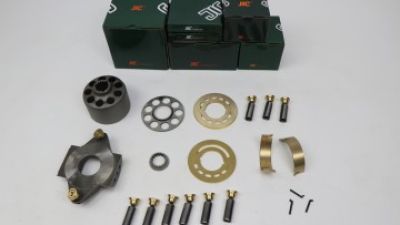
FTB-A10VSO28 Hydraulic Rotary Group: Quality, Performance, and Factory-Direct Value

The FTB-A10VSO28 Hydraulic Rotary Group is designed for excavators that require stable rotation, efficient power transfer, and dependable operation under demanding conditions. Recent industry reports indicate that global construction-equipment demand is continuing to grow, while hydraulic systems remain essential to excavator productivity and fuel efficiency. Against this background, this rotary group combines precise hydraulic control with durable construction, helping reduce downtime and maintain consistent machine performance in challenging work environments.

Produced in China, the unit is supported by factory-direct pricing and a monthly supply capacity of up to 10,000 units, making it suitable for distributors, maintenance contractors, and fleet operators. Flexible delivery scheduling supports orders of different sizes, while a six-month warranty provides additional purchasing confidence. Customers can also benefit from one-stop sourcing for excavator parts, an extensive model range, responsive after-sales service, and competitive pricing. For buyers seeking a practical balance of quality, performance, and supply reliability, the FTB-A10VSO28 offers a cost-effective solution for professional hydraulic equipment maintenance.

FAQS

How does a hydraulic excavator create digging force?

An engine drives a hydraulic pump. The pump pressurizes oil inside a closed circuit. Valves direct oil into cylinders and motors. Pressure, flow, leverage, and timing move the bucket.

What happens when the operator moves a joystick?

The joystick changes the control valve position. Pressurized oil then moves through hoses and steel pipes. A cylinder extends or retracts the boom, arm, or bucket. Small valve changes can affect smoothness.

Why does hydraulic oil condition matter?

Cold oil can slow cylinder movement during morning work. Dirty filters restrict flow and create extra heat. Low oil levels may cause noise, weak digging, or pump damage. Warm the system gradually.

What hydraulic problems should operators inspect before work?

Check hoses for abrasion, leaks, loose fittings, and damaged coverings. Never touch a suspected pressure leak. A thin oil jet can penetrate skin. This risk is easy to underestimate.

Is a larger excavator always more productive?

No. A compact machine may suit narrow streets and landscaping. A heavier machine can provide deeper reach and stronger breakout force. Bigger is not always better.

How do soil conditions affect excavator selection?

Soft ground may need a wider undercarriage and lower ground pressure. Rocky soil requires strong attachments and adequate hydraulic flow. Compare digging depth, bucket capacity, stability, and lifting limits. Tonnage alone is incomplete.

How should buyers measure excavator efficiency?

Measure fuel used per cubic metre, cycle time, swing speed, and idle hours. Test machines under identical loads. Include real attachments, not only an empty bucket. Brochures can hide weak jobsite performance.

Which ownership costs should buyers calculate?

Include fuel, filters, hydraulic oil, tyres, transport, repairs, and residual value. Build a three-year cost estimate using local prices and working hours. Service delays can be expensive. My estimates may still miss difficult soil and unexpected repairs.

How can an excavator attachment change performance?

A breaker, auger, or lifting hook changes balance and heat load. It may reduce working speed or increase hydraulic demand. Test the intended attachment before purchasing. The empty bucket tells only part of the story.

What safety checks should be completed before operation?

Confirm operator protection, visibility, swing alarms, emergency shutoffs, and maintenance records. Inspect the machine daily. Training matters. Weather, dust, rain, and tight spaces can defeat a perfect checklist.

Conclusion

This guide explains what a Hydraulic Excavator is, how its engine, hydraulic system, boom, arm, and bucket work together, and why it remains essential for digging, lifting, grading, and material handling. It introduces the main excavator types available in 2026, including compact, crawler, wheeled, long-reach, and specialized models, while showing how operating weight and size influence power, stability, transport, fuel use, and job-site performance.

Global buyers will also learn how to match excavator types with construction, mining, agriculture, infrastructure, and urban projects. The guide compares key purchasing factors such as productivity, operating efficiency, total cost, safety features, maintenance requirements, spare-parts availability, operator comfort, and after-sales support. By evaluating working conditions, attachment needs, local regulations, and long-term ownership costs, buyers can select a reliable machine that delivers the right balance of performance, flexibility, safety, and value.
Clara

Clara

Clara is a seasoned marketing professional at Guangzhou FuTeBang Machinery Equipment Co., Ltd., bringing over 15 years of profound expertise in the excavator parts industry. With a strong focus on integrating production, research and development, and sales, Clara plays a pivotal role in showcasing......
Previous 10 Fuel Pump Buying Tips for Global Buyers