inquiry
Leave Your Message
0%

In today’s ever-changing world of industrial machinery, finding efficient and reliable Oil Pump solutions is more important than ever. Everywhere you look, buyers want options that not only perform well but also stand up to the test of sustainability. When you're choosing an Oil Pump, it’s pretty crucial to really understand what your specific operation needs — one size definitely doesn’t fit all.

Quality Oil Pumps can genuinely make a difference, boosting your operational efficiency. Brands like ABC Pumps and XYZ Oil Systems are doing some pretty cool, innovative designs tailored for different industries. But hey, don’t forget to check if they’ll play nice with your existing setup. Sometimes folks jump into decisions a bit too quickly, ignoring vital stuff like ease of maintenance and how reliable the pump really is.

Honestly, there’s a whole bunch of options out there, but not every pump is gonna be a perfect fit for your particular needs. Plus, with prices varying so much, it can get pretty confusing. That’s why it’s super important to take the time to really understand what specifications and features matter most. Doing your homework now can save you headaches later, and help you make smarter investments in the long run.
2026 Best Oil Pump Solutions for Global Buyers Need?

Overview of Oil Pump Types and Their Applications in 2026

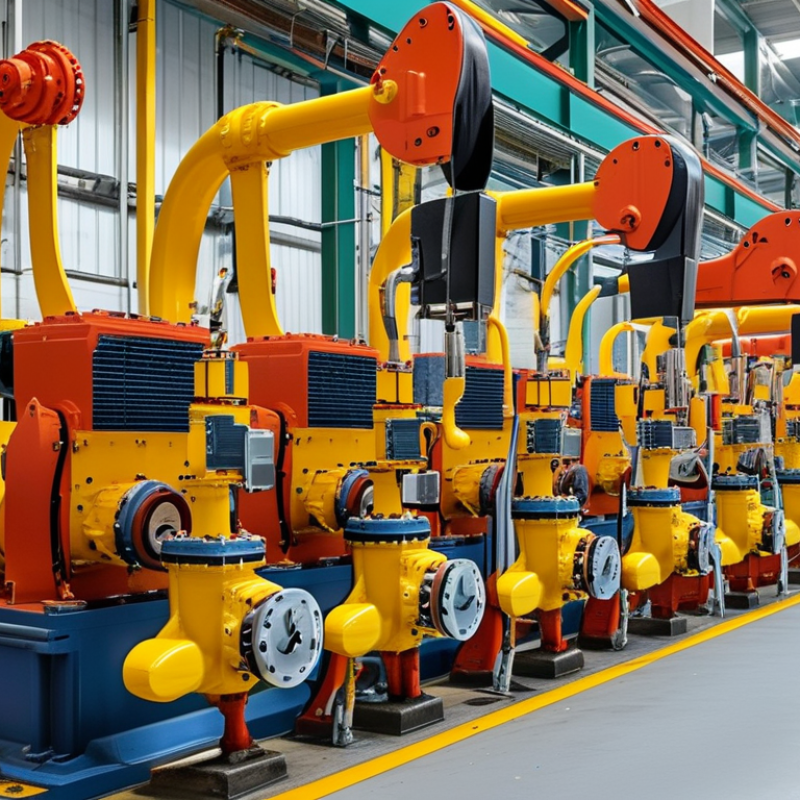
In 2026, the Oil Pumpindustry is witnessing diverse types aimed at various applications. Centrifugal pumps lead this evolution due to their efficiency. They handle high flow rates, making them suitable for moving fluids across large distances. According to the International Energy Agency, global oil demand is expected to rise, indicating a growing need for robust Oil Pump solutions.

Positive displacement pumps are gaining traction as well. They excel in applications requiring consistent flow regardless of pressure variations. This is crucial in areas like hydraulic systems and heavy machinery, where reliable fluid delivery is essential. The market analysis reveals Hydraulic Oil Pump sales are projected to grow by 5% annually, reflecting industrial advancements and client demands.

Despite this growth, challenges remain. Many manufacturers struggle to ensure quality control in production. Fluctuating raw material prices can affect pump design and durability. Additionally, the industry is lacking sufficient skilled labor to meet the increasing technological demands. Evaluating these factors is vital for ensuring future advancements in Oil Pump solutions.

Analysis of Global Oil Pump Market Trends and Demand Projections

The global Oil Pump market is experiencing significant changes. Demand projections indicate a steady growth trend in the next few years. Several factors drive this growth, including rising energy consumption and increased industrial activities. As countries develop, the need for efficient oil extraction methods expands. This creates opportunities for innovation and enhanced productivity in Oil Pump solutions.

Market analysis highlights key regions poised for growth. Emerging economies in Asia and Africa are increasing their oil production capabilities. However, challenges persist in supply chain management and technological advancements. Not all companies are ready to adapt quickly. Many still rely on outdated equipment, impacting efficiency. Investment in new technologies and sustainability practices will be critical for survival.

Industry experts emphasize the importance of using data analytics. Understanding market demands can guide product development. There is also a need for reliable suppliers who can meet changing requirements. As global demand evolves, flexibility will be paramount. The Oil Pump market must navigate complexities while ensuring reliability and performance in their offerings.

2026 Best Oil Pump Solutions for Global Buyers

Key Players in the Oil Pump Industry: Profiles and Market Shares

The Oil Pump industry is vital for various sectors, including automotive and industrial applications. Key players dominate this market, influencing trends and technology. The latest data reports indicate that the global Oil Pump market is projected to grow at a CAGR of approximately 5.2% through 2026. This growth is driven by increasing demand for energy efficiency in engines and machinery.

Several organizations maintain significant market shares. They focus on innovation and expanding their product lines. The emphasis is often on high-quality materials and advanced engineering. However, fragmentation in the market can lead to inconsistencies in product quality. Buyers should be careful and research thoroughly before making decisions.

Tip: Look for comprehensive reviews and comparisons of Oil Pump Kits. Understanding the specifics of what you're purchasing can save you time and money. Also, consider suppliers with proven track records in customer service and product reliability. An informed choice can significantly impact operational efficiency and performance.

Technical Innovations in Oil Pump Technology: 2026 Insights

In 2026, innovations in oil pump technology are shaping the industry. The rise of smart systems enhances efficiency while reducing energy consumption. Sensors are now integral, providing real-time data that helps monitor performance and predict maintenance needs. This proactive approach minimizes downtime and extends the lifespan of equipment.

Many buyers look for personalized solutions. Customization is becoming more common. Buyers want oil pumps tailored to their specific needs. Considering the diverse applications of equipment, manufacturers now offer options that cater to various industries. This trend also encourages collaboration between buyers and suppliers to ensure optimal performance.

Tips for selecting the right solution: Focus on energy efficiency and maintenance features. Understanding the specifications of each type, like the Fuel Oil Pump, can greatly impact long-term costs. Evaluate the integration capabilities of pumps with existing infrastructure. Stay updated on emerging technologies that can drive your work forward. Remember that adaptability is key in this fast-evolving landscape.

Environmental Considerations in Oil Pump Manufacturing and Usage

In today's manufacturing landscape, the environmental impact of oil pump production cannot be overlooked. Many manufacturers are shifting towards sustainable practices. This includes using eco-friendly materials and reducing waste during production. Companies are increasingly focusing on the lifecycle of oil pumps. Every stage, from sourcing to disposal, matters.

Emission reduction is key in the oil pump industry. Green initiatives could involve implementing cleaner production technologies. However, these solutions often come with higher initial costs. Some manufacturers hesitated to invest upfront, prioritizing short-term gains. This mindset can be detrimental to long-term sustainability efforts.

Furthermore, the use of oil pumps in various industries raises additional concerns. For instance, improper disposal can lead to soil and water contamination. It is essential to adopt better disposal practices. Education on sustainable usage could help mitigate these environmental risks. Manufacturers should lead by example, promoting responsible consumption among users.

Cost-Benefit Analysis of Oil Pumps for Different Industries

In today's industrial landscape, selecting the right oil pump is crucial. A thorough cost-benefit analysis reveals significant variations across sectors. For instance, the global oil pump market is projected to reach $19 billion by 2025, according to industry reports. Different industries demand specific solutions—whether it's a Motor Oil Pump for automotive use or a more robust model for heavy machinery.

Efficiency is key in oil pump selection. For automotive applications, a Motor Oil Pump should minimize wear and optimize engine performance. Data shows that selecting a high-efficiency pump can improve fuel consumption by up to 10%. However, not all solutions provide equal value. Some lower-cost options may lead to higher maintenance costs, a point worth evaluating before any purchase decision.

Tips: Consider the total cost of ownership. Sometimes, a cheaper initial investment becomes costly in the long run. Analyze efficiency ratings and user reviews. They can provide insight into a pump’s reliability. Always weigh the benefits against potential drawbacks. Some pumps may present a trade-off between performance and cost-efficiency, ultimately impacting your operational budget.

Regulatory Standards and Compliance for Oil Pump Solutions Worldwide

In the oil pump industry, regulatory standards are crucial for ensuring safety, performance, and environmental protection. Compliance with local regulations is not just a legal requirement; it's a commitment to quality. Buyers worldwide face a landscape of varying regulations, from emissions standards to safety protocols.

Understanding these standards is vital. Failure to comply can result in severe penalties or equipment failures. For instance, organizations may face operational disruptions if their pumps do not meet local energy efficiency requirements. So, global buyers need to stay informed about the evolving regulations in their operating regions.

Tips: Regularly review regulatory updates that could impact operations. Develop a compliance checklist specific to your region. Engage with industry experts for insights on best practices.

Moreover, transparency in product specifications is essential. Buyers should seek detailed documentation and certifications from manufacturers. However, not all suppliers provide comprehensive information. This gap can lead to misunderstandings about product capabilities. Conducting due diligence is necessary to mitigate such risks.

Tips: Always request proof of compliance from vendors. Attend industry conferences to learn about emerging standards. Building a network of reliable contacts will enhance knowledge and support compliance efforts.

FAQS

: What are the main factors driving growth in the oil pump market?

: Rising energy consumption and increased industrial activities are key factors driving growth.

Which regions are expected to grow in oil production?

Emerging economies in Asia and Africa are increasing their oil production capabilities.

What challenges does the oil pump market face?

Supply chain management and technological advancements are significant challenges in the market.

Why is investing in new technologies important?

Investment in new technologies is crucial for improving efficiency and adapting to market changes.

How can companies ensure compliance with regulations?

Companies should regularly review regulatory updates and develop a compliance checklist.

What are the consequences of failing to comply with regulations?

Non-compliance can lead to penalties, operational disruptions, and equipment failures.

Why is transparency in product specifications important?

Transparency helps buyers understand capabilities and avoid misunderstandings about the products.

What should buyers do to verify suppliers?

Buyers should request proof of compliance and seek detailed documentation from suppliers.

How can data analytics benefit product development?

Data analytics can guide product development by understanding market demands and trends.

Why is flexibility important in the oil pump market?

Flexibility is vital to navigate the complexities of changing global demands and market conditions.

Conclusion

The article "2026 Best Oil Pump Solutions for Global Buyers Need?" offers a comprehensive overview of various oil pump types and their applications, highlighting their significance in diverse industries by 2026. It examines the global oil pump market trends, projecting demand levels that reflect the industry's growth and evolving requirements. Key industry players are profiled, showcasing their market shares and contributions to the sector.

Additionally, the article delves into technical innovations in oil pump technology, emphasizing advancements that improve efficiency and performance. Environmental considerations are addressed, focusing on sustainable manufacturing practices and usage. A cost-benefit analysis illustrates the financial implications of oil pumps across different industries, while regulatory standards ensure compliance with international guidelines. Overall, this piece serves as a valuable resource for buyers seeking optimal oil pump solutions.
Clara

Clara

Clara is a seasoned marketing professional at Guangzhou FuTeBang Machinery Equipment Co., Ltd., bringing over 15 years of profound expertise in the excavator parts industry. With a strong focus on integrating production, research and development, and sales, Clara plays a pivotal role in showcasing......
Previous How to Choose the Best Backhoe Pump for Your Needs?