+8613126993997 


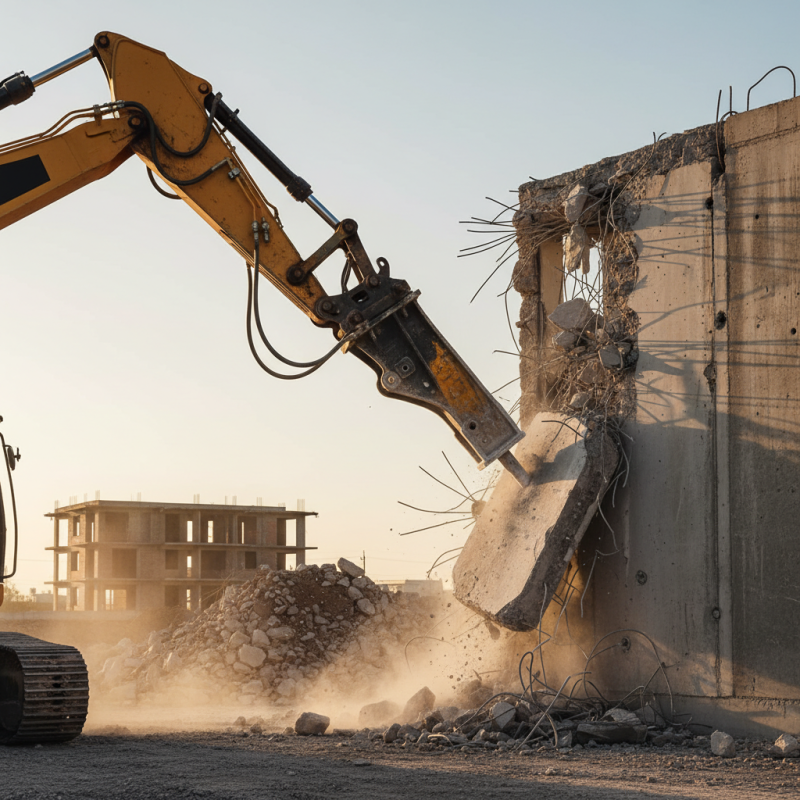
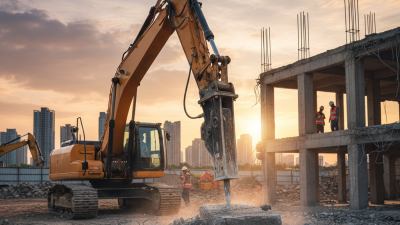
When you're into construction and demolition work, the equipment you choose can really make a big difference in how smoothly everything goes—and how good the end results are. Take a reliable Rock Breaker Machine, for example. It’s pretty much a must-have when you're dealing with tough stuff like concrete or rocks. The thing is, not all machines are the same—some pack more punch, others are more precise—so picking the right one for your project really matters.
There are tons of brands out there, like Atlas Copco and Doosan, each offering a bunch of options. But here’s the thing: these machines can differ a lot in weight, impact power, and what kind of jobs they’re best suited for. It’s kind of essential to think about those details so you don’t end up wasting time or resources. I’ve seen folks make the mistake of choosing the wrong machine, and it just leads to frustration and delays.
Seriously, take a moment to really think about what you need. Picking a machine that’s too small or not quite up to the task can slow down your project or even cause issues. Investing in the right equipment means you get jobs done on schedule, and that feels pretty good. Remember, efficiency isn’t just about going fast; it's about making sure you're doing the job right and doing it well.
When selecting the best Rock Breakermachine, understanding power and efficiency ratings is crucial. A powerful Rock Breaker can significantly enhance demolition projects. The energy output is often measured in joules, indicating how much force the machine delivers per impact. This metric helps determine the effectiveness of a Rock Breaker in various applications, such as breaking concrete or rocky terrain.
Efficiency ratings indicate how well a mechanical system converts energy into work. A high-efficiency Rock Breaker uses less energy while providing maximum output. It’s essential to consider the weight-to-power ratio as well. A heavier machine may exert more force, but if it lacks the necessary power, it struggles to perform effectively. Regular maintenance can also impact efficiency, often overlooked by many operators.
While many Rock Breakers boast high power, it isn’t solely about raw strength. A balance between power, efficiency, and machine durability is vital for lasting performance. Operating a Rock Breaker requires skill, as improper handling can lead to inefficiencies. There’s always room for improvement in understanding these ratings. Reflecting on past projects can provide insights into better choices for future demolition tasks, ensuring that the selected Rock Breaker meets specific job requirements effectively.
When considering Rock Breaker Machines for demolition, several key features must stand out. Firstly, a powerful hydraulic system is essential for efficient operation. This system ensures the machine delivers the needed force to break through tough materials. Solid construction also plays a crucial role. A robust frame can withstand rigorous use without compromising performance. Demolition tasks often test equipment to the limit, so durability is non-negotiable.
Another important aspect is the versatility of the Rock Breaker Chisel. Different demolition projects require various chisels tailored for specific tasks. For instance, pointed chisels are ideal for precise applications, while flat chisels work well for broader surfaces. This adaptability increases efficiency, making it easier to manage diverse projects.
Noise and vibration levels should not be overlooked. Lower noise levels improve the working environment, especially in urban areas. Additionally, minimizing vibrations can reduce operator fatigue and enhance safety. However, achieving this balance can be challenging. Machines may need adjustment over time to maintain optimal performance. Regular maintenance is crucial, as it ensures reliability and reduces the risk of unexpected downtime during critical jobs.
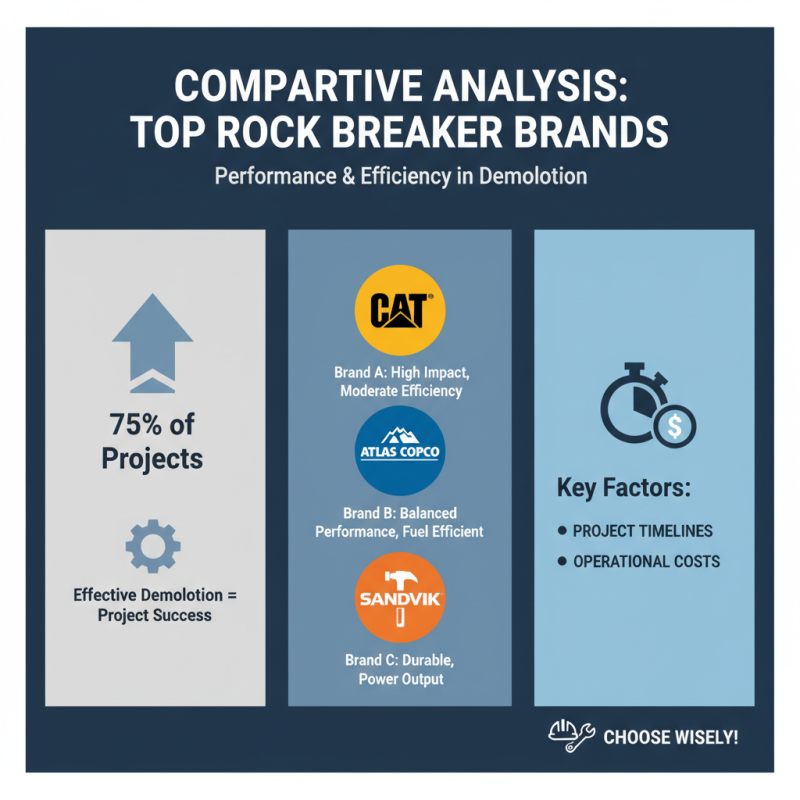
When choosing a Rock Breaker Machine, it's essential to understand the performance and efficiency of different brands. Recent industry reports reveal that a significant 75% of construction projects identify effective demolition as a primary factor for success. This highlights the importance of selecting the right machinery, as it directly impacts project timelines and costs.
In a comparative analysis, the overall impact of power-to-weight ratio is crucial. Machines with higher ratios typically deliver superior results. A report from construction industry experts suggests that units operating with a power-to-weight ratio exceeding 1.5 have lower downtime. This is significant, as reduced downtime can lead to a 30% increase in productivity on-site.
Another aspect to consider is the ease of maintenance. Regular maintenance is vital for longevity. Machines that require less frequent servicing tend to have a lower total cost of ownership. Operators readily note that some models demonstrate higher wear rates, necessitating more repairs. This can create unexpected delays in projects. Balancing efficiency, performance, and maintenance needs requires careful evaluation.
When it comes to demolition works, the weight of a Rock Breaker machine is crucial. Heavier units generally generate more impact energy. This energy translates into efficient material breaking. However, excessive weight can lead to maneuverability issues. Operators must strike a balance between weight and control.
In addition, impact energy varies with design and technology. Higher impact energy results in quicker demolitions. Yet, the energy must align with the material being broken. Soft materials may require less energy. Overloading a breaker can cause damage and inefficiency. It’s essential to understand the project needs for optimal performance.
Effective demolition isn’t just about brute force. Precision and knowledge are vital too. Operators should consider factors like the area and surrounding structures. Collaboration with experts can yield better results. Using the right machine will enhance safety and efficiency. Each project is unique, requiring a tailored approach.
| Model | Breaker Weight (kg) | Impact Energy (J) | Operating Pressure (bar) | Recommended Machine Size (ton) |
|---|---|---|---|---|
| Model A | 150 | 800 | 10-15 | 12 |
| Model B | 200 | 1000 | 15-20 | 15 |
| Model C | 250 | 1200 | 20-25 | 20 |
| Model D | 300 | 1500 | 25-30 | 25 |
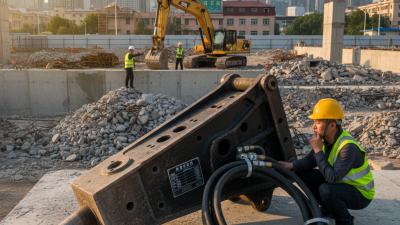
Maintaining an Excavator Rock Breaker is crucial for its performance and longevity. Regular maintenance prevents breakdowns and ensures efficiency during demolition work. Check hydraulic fluid regularly. Low fluid levels can lead to overheating and reduced power. Inspect hoses and connections frequently for leaks. Replacing worn parts promptly can save costs in the long run.
Be mindful of the working environment. If the site includes debris and dust, clean the machine often. Dust accumulation can damage internal components over time. Keeping the Excavator Rock Breaker clean enhances its lifespan. Moreover, periodic checks on the chisel and tool bits are essential. Sharp and well-maintained tools improve productivity.
Another tip is to avoid overworking the machine. Pushing the breaker beyond its limits may cause unnecessary strain. Always follow manufacturer guidelines for maximum operating hours. It’s beneficial to assess performance regularly and adjust operation techniques accordingly. This approach promotes efficiency and extends the machine's working life.
This chart represents key performance metrics for rock breaker machines, including efficiency, durability, maintenance cost, weight, and noise level. Understanding these factors can help in selecting the best machine for efficient demolition works and maintaining it for maximum lifespan.
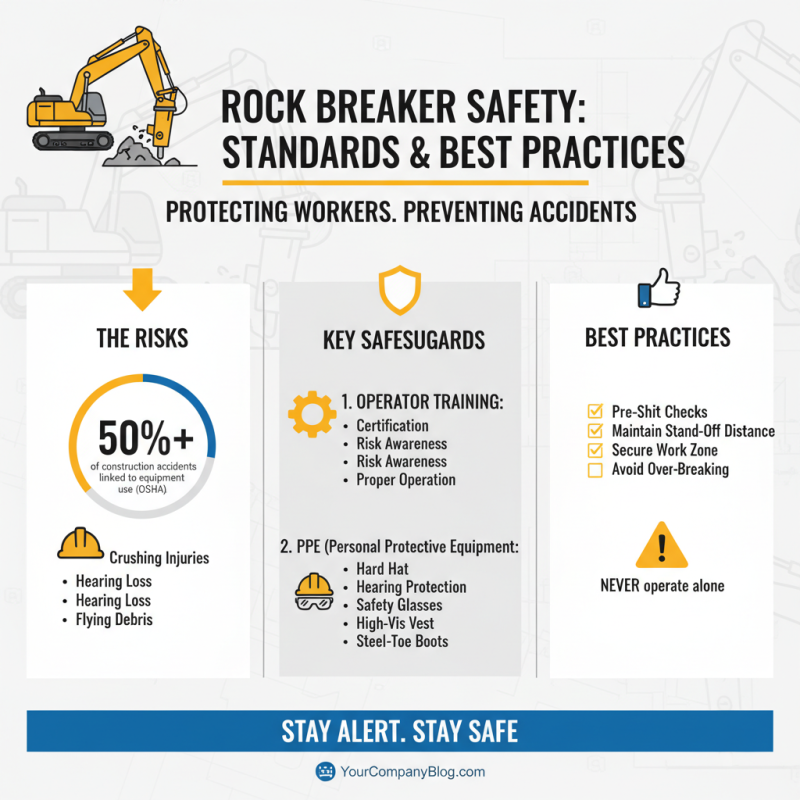
Safety is a primary concern when using rock breakers for demolition work. According to the Occupational Safety and Health Administration (OSHA), over 50% of construction site accidents are linked to equipment use. Proper training is essential for operators to ensure they understand the risks involved. Wearing personal protective equipment, such as helmets and hearing protection, can minimize injuries significantly.
Using a rock breaker requires thoughtful planning. Operators should inspect equipment regularly to avoid malfunctions. The American National Standards Institute (ANSI) recommends checking hydraulic lines and connections. An important aspect of safety involves knowing the site. High noise levels can affect communication, so operators should establish clear hand signals or use radios. A Rock Bucket can present additional hazards; ensuring it is secure before operation is crucial.
Lastly, worksite cleanliness cannot be overlooked. Debris can pose tripping hazards, leading to injuries. Keeping the area well-organized helps prevent accidents. Regularly scheduled safety meetings ensure everyone is aware of best practices. However, even with precautions, some risks remain. The goal is to create a culture of safety that prioritizes awareness and education.
When considering demolition projects, the choice of rock breaker machines becomes crucial. Investing in advanced technology can yield significant benefits. A well-chosen rock breaker enhances productivity. It allows for faster dismantling of hard surfaces, which can quicken project completion times dramatically. However, the initial purchase cost needs careful consideration, especially for smaller operations.
Is the upfront investment justified? It's essential to analyze long-term benefits versus costs. Rock breakers usually result in lower operational costs over time. They reduce labor hours and enhance worker safety. With fewer manual tasks, the risk of accidents diminishes. Still, some may question if the technology is worth the price in certain scenarios. A rental option might be more suitable for short-term projects.
Understanding the right machine specifications can be daunting, especially for new users. Each project has unique demands. Not all machines fit all tasks effectively. Therefore, it’s wise to research thoroughly or get expert advice. An ideal match of machine capabilities to job requirements can lead to successful outcomes, but not every choice guarantees perfection. Continuous evaluation and adaptation are necessary to optimize performance.
: A powerful hydraulic system is crucial for efficient operation. It delivers the force needed to break tough materials.
A robust frame withstands rigorous use without losing performance. Durability ensures reliable operation during demanding tasks.
Versatile chisels enhance efficiency for various tasks. Pointed chisels are good for precision, while flat chisels suit broader surfaces.
Lower noise improves the working environment, especially in urban areas. Reduced vibrations lessen operator fatigue and increase safety.
Regular maintenance prevents breakdowns and ensures efficiency. It reduces the risk of unexpected downtime during critical jobs.
A higher power-to-weight ratio usually results in superior performance. Machines above 1.5 ratio can increase productivity and reduce downtime.
Operators should inspect hoses and connections for leaks. Replacing worn parts promptly helps to save costs and avoid delays.
Cleaning the machine regularly is essential, especially in debris-heavy sites. Dust can damage internal components over time.
Pushing a breaker beyond its limits causes unnecessary strain. Following guidelines for maximum hours prevents potential breakdowns.
Regular performance assessments help adjust techniques for efficiency. This practice promotes productivity and extends machine lifespan.
The article "Best Rock Breaker Machine for Efficient Demolition Works" delves into the critical aspects of rock breaker machines that enhance demolition efficiency. It begins by examining power and efficiency ratings, which are essential for selecting the right machine for specific tasks. Key features that contribute to performance are also discussed, emphasizing the importance of breaker weight and impact energy.
Furthermore, the article provides maintenance tips to extend the lifespan of these machines and outlines safety standards to ensure safe operation. A comparative analysis of top brands in the rock breaker machinery industry offers insights, while a cost-benefit analysis highlights the economic rationale behind investing in rock breaker technology for construction projects. Overall, understanding these factors can significantly impact the effectiveness and safety of demolition works.