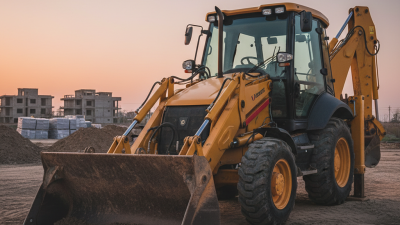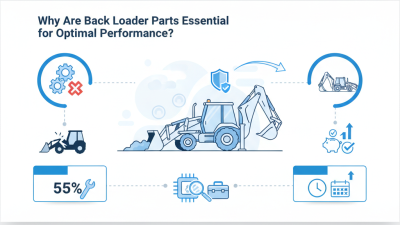
When you're dealing with the construction and heavy equipment world, picking the right Backhoe Loader Parts is a pretty big deal. It’s not just about keeping things running—it's about making sure they run well and last longer. I came across this report from IBISWorld, and it says that the demand for backhoe loaders is expected to jump quite a bit—like, a steady 3.4% increase each year over the next five years. That means, if you're involved in this field, choosing the right parts becomes even more important—it can really affect how productive and safe your work is.
Honestly, trying to pick out specific components—hydraulic systems, buckets, tires—can feel kinda overwhelming, right? Each piece plays a role in how efficiently your machine works, how reliable it is, and how smoothly everything runs. The folks at the Association of Equipment Manufacturers have found that selecting the right parts could even cut down your maintenance costs by up to 30%. But here’s the catch—many operators overlook the tiny details like compatibility and proper installation, and that’s when setbacks happen.
There are tons of brands out there offering Backhoe Loader Parts, but not all of them meet strict industry standards. It's usually a smart move to go for parts that come with warranties or come from well-known, reputable brands like Caterpillar or John Deere. Take your time, really think about what your machine needs, and figure out what features are the most important for you. I mean, I’ve definitely seen situations where one wrong part led to unexpected downtime, and honestly, it’s those little things that can make a big difference overall. So, yeah—don't rush your choices, and make sure you're informed before buying!
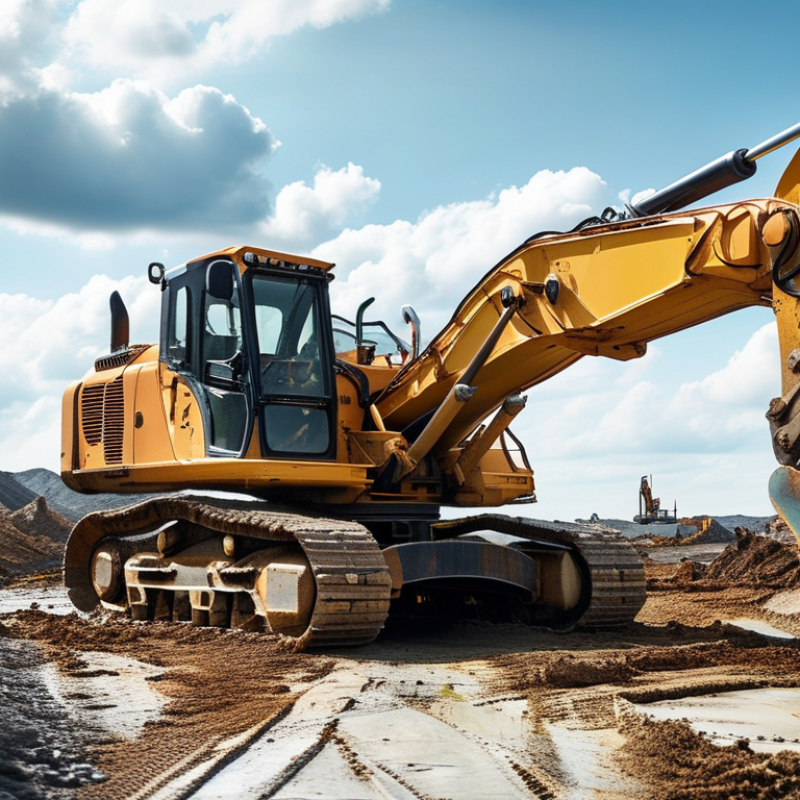
Understanding the different types of Backhoe Loader Parts is crucial for effective equipment management. Each component plays a key role in the loader's overall performance. For instance, the bucket is essential for digging, loading, and moving material. Choosing the right bucket size can significantly impact your project’s efficiency. While a larger bucket may seem advantageous, it can lead to issues if the loader isn’t designed to handle it.
Hydraulic systems are another critical area. They control movement and power in the backhoe loader. If these parts fail, the entire machine can halt. Regular checks and maintenance of hydraulic components are necessary. It’s easy to overlook these details until a malfunction occurs. Consider the tires as well; they must match the terrain for optimal traction. Using inappropriate tires may compromise your loader's capabilities.
Electrical components also need attention. They power systems from lighting to controls. Corrosion or damage can lead to electrical failures. Regular inspection is vital, yet many operators neglect this aspect. Reflecting on these details can lead to better decision-makingwhen selecting Backhoe Loader Parts. Understanding what each part does informs your choice, ensuring your equipment meets your specific needs.
When identifying your specific project requirements, start by assessing the tasks at hand. Think about the types of materials you will be handling. Heavy clay requires different attachments than loose gravel. Consider the depth of digging needed. This will influence the size of the Backhoe Loader Parts you choose. Shorter reach may suffice forsmall landscaping jobs, while larger projects will require more robust equipment.
Next, evaluate the environment in which you’ll be working. Is it a confined space or an open lot? Tight spaces may require more compact parts, while expansive areas allow for larger machinery. Also, reflect on the duration of your project. Short-term tasks may not justify investing in high-end parts. It’s important to balance cost, durability, and effectiveness for your specific needs. Each decision can significantly impact productivity and project outcomes, emphasizing the importance of thorough planning.
Evaluating the quality and durability of Backhoe Loader Parts is essential for optimal performance. A recent industry report highlights that high-quality parts significantly reduce downtime by up to 30%. While it may be tempting to choose cheaper alternatives, durability is often compromised. In harsh working conditions, subparBackhoe Parts can lead to failures, costing businesses in repairs and lost productivity.
Materials used in backhoe parts play a crucial role in their longevity. Steel alloys and treated components are more resistant to wear and tear. According to a survey by Construction Equipment experts, 65% of maintenance issues arise from inferior materials. Regular inspections can help identify wear and ensure that parts meet required standards. However, many operators overlook this step, resulting in unnecessary breakdowns.
Understanding the specific needs for your backhoe is vital. Operators should evaluate the workload and environmental conditions. Using inappropriate Backhoe Parts can lead to inefficiencies. Quality parts tailored for specific applications enhance performance and lifespan. It's important to reflect on previous experiences and adapt accordingly to improve equipment reliability and overall effectiveness.
When it comes to Backhoe Loader Parts, the choice between OEM and aftermarket options can be daunting. OEM parts are made by the original equipment manufacturer. They often come with a guarantee of quality and fit. However, this quality comes at a higher price. Many owners will find that the initial cost is significant, making budgeting essential.
AfterMarket Parts, on the other hand, are generally cheaper. They are produced by third-party companies. While some afterMarket Parts can match the quality of OEM, others might fall short. This inconsistency in quality can lead to increased wear and tear. In some cases, they may not fit perfectly, causing more issues down the line. It's important to conduct thorough research before making a purchase.
Cost alone shouldn't dictate your decision. Weighing warranty options, return policies, and overall reliability is crucial. Mistakes in this area can be costly. Understanding your specific needs and the intended use of your backhoe loader is vital. Sometimes, investing in OEM parts saves money in the long run. Yet, many find aftermarket options appealing for their immediate financial relief. Each choice comes with its own set of risks and benefits, inviting reflection on what truly matters for your equipment’s performance.
| Part Type | OEM Cost | Aftermarket Cost | Quality Rating | Warranty Period |
|---|---|---|---|---|
| Engine Components | $2,500 | $1,700 | High | 2 years |
| Hydraulic Pumps | $1,200 | $850 | Medium | 1 year |
| Transmission Parts | $3,000 | $2,000 | High | 3 years |
| Buckets | $800 | $500 | Medium | 1 year |
| Electrical Components | $600 | $400 | Variable | 6 months |
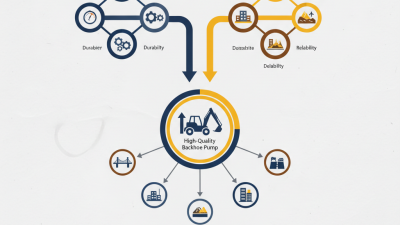
When selecting backhoe loader parts, reliable suppliers play a vital role. The quality of crucial components like the Backhoe Pump significantly impacts performance and longevity. According to industry reports, about 75% of equipment failure stems from poor-quality parts. Investing in trusted brands can save costs in the long run.
Research the suppliers thoroughly. Look for those with a solid reputation in the market. A supplier's experience often reflects their knowledge of quality parts. Reading customer reviews can provide valuable insights into reliability. Not all parts labeled as "premium" are actually reliable.
Consider suppliers offering warranties and return policies. This indicates confidence in their products. An estimated 30% of buyers overlook these key aspects, leading to dissatisfaction later. Always prioritize suppliers who demonstrate transparency and customer service. Buying the right backhoe pump isn't just about price; it's about ensuring your machinery works effectively and efficiently.
Choosing the right parts for your backhoe loader requires careful consideration. Compatibility is key. You need to ensure that the parts you select match your specific model. Each loader has unique specifications. Mismatched parts can lead to inefficiencies or even damage.
Researching your backhoe model is essential. Check diagrams or manuals. Look at the manufacturer's recommendations. If you’re unsure, consult with an expert. They can provide insights on which parts are suitable. This step can save you time and money.
Sometimes, even experienced professionals overlook details. It’s easy to focus on cost rather than compatibility. Consider the long-term effects of using improper parts. They may seem cheaper initially, but could result in more significant issues later. Prioritize reliability over price. Your backhoe loader should perform optimally for your work needs.
Maintaining your backhoe loader parts is vital for longevity and performance. Regular maintenance can prevent costly repairs and downtime. Begin with routine inspections. Check for wear and tear on key components like buckets, hydraulics, and tires. Minor issues can escalate if ignored.
Change fluids regularly, including hydraulic fluid and engine oil. Clean filters to ensure optimal performance. Keeping the Parts Loader in top shape extends its life. Don't overlook the importance of a clean environment. Dust and debris can clog parts, leading to operational inefficiencies. Consider using covers when not in use.
Furthermore, invest time in proper storage. If possible, house your backhoe loader indoors. This protects it from the elements and reduces rust risk. Engage trained professionals for complex repairs. Doing so ensures you use quality parts and maintains system integrity. Remember, small habits lead to long-term success. Ensuring your Parts Loader is well-maintained pays off in the end.
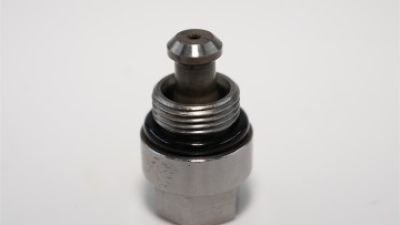
The efficiency of excavators is crucial for maximizing productivity on construction sites. One essential component that significantly influences this efficiency is the oil suction valve. In particular, the PC60-7 model has gained attention for its reliable performance and durability. Understanding the functionality and importance of the oil suction valve can provide valuable insights for contractors and operators looking to enhance their machinery's effectiveness.
When considering parts for the PC60-7 excavator, sourcing from reliable suppliers is vital. The availability of a wide range of models ensures that contractors can find the right component that fits their specific needs. With a commitment to quality, manufacturers offer direct sales from their factories, ensuring customers receive parts that meet rigorous standards. Flexible delivery times and substantial supply capacity further enhance the appeal, allowing for timely project execution without compromising on quality.
Moreover, comprehensive after-sales support is a hallmark of a dependable supplier. Customers can have peace of mind knowing that they have access to assistance should they encounter any issues with the product. With competitive pricing and a warranty period of six months, operators can make informed decisions that not only improve the efficiency of their excavators but also contribute to overall project success.
: Start by assessing the tasks you need to complete. Consider the materials you'll handle.
The depth of digging and size requirements of your project will guide your choice in parts.
Different environments require different equipment sizes. Compact parts work better in tight spaces.
Short-term tasks may not need high-end parts. Balance between cost and durability is key.
High-quality parts reduce downtime by up to 30%. They offer better performance and longevity.
Cheaper parts often compromise durability, leading to higher repair costs and lost productivity.
Look for materials like steel alloys. Regular inspections can help mark wear and tear.
Research their reputation and read customer reviews. Experience often indicates quality parts.
Yes, warranties show supplier confidence in their products. They can prevent future dissatisfaction.
They can lead to equipment failures and inefficiencies. Reflecting on past experiences helps avoid mistakes.
When selecting the right Backhoe Loader Parts for your needs, it's essential to understand the various types available and identify your specific project requirements. Evaluating the quality and durability of components can significantly impact the performance of your backhoe loader, making it crucial to compare costs between OEM and aftermarket options.
Additionally, researching reliable suppliers and brands will help ensure you find parts that are compatible with your backhoe loader model. Remember to keep maintenance in mind, as proper care can extend the longevity of your Backhoe Loader Parts, ultimately leading to enhanced efficiency and productivity on the job site.