+8613126993997 


Picking out the right Hydraulic Kitfor your project can feel a bit overwhelming at first. There are so many factors to consider—like the specific needs of your project—and it’s easy to get lost in the details. A good Hydraulic Kit can really boost your efficiency and overall performance, but only if it actually fits what you’re working on.
From experience, I've learned that getting to know these kits is super important. Checking the specs and making sure they’re reliable can really help steer you in the right direction. A lot of folks overlook how important compatibility with existing systems is, and that mistake can end up costing you quite a bit. It’s definitely worth digging into the technical stuff—understanding the details can help you figure out which Hydraulic Kit will give you the best results and avoid headaches down the line.
And honestly, don’t underestimate the value of chatting with industry pros. Their advice can save you a lot of time and money. They often point out little features you might overlook but that can make a big difference in the long run. Taking the time to weigh your options carefully can really pay off, leading to a smoother project and better outcomes overall.
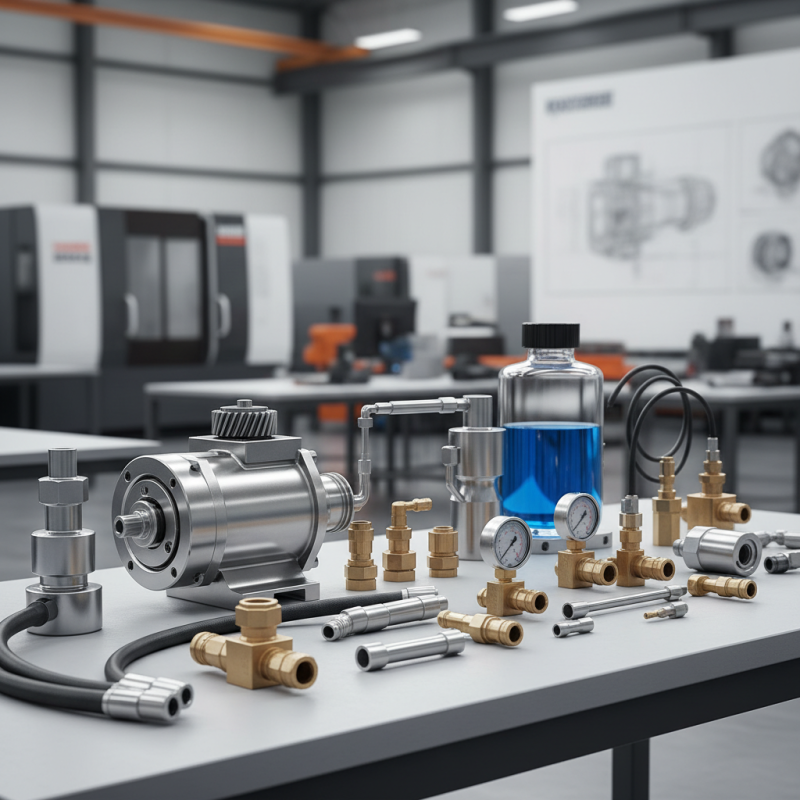
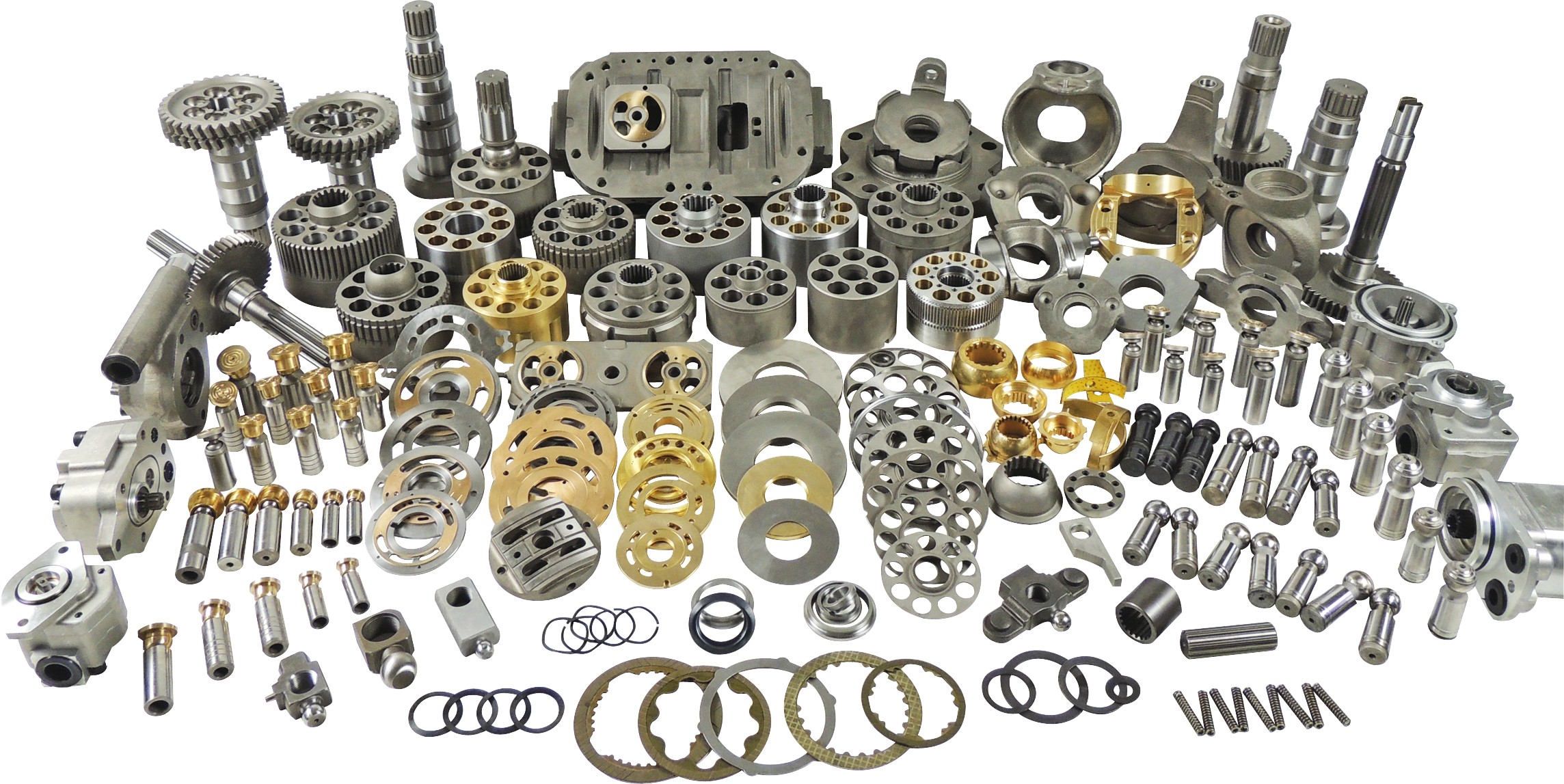
Hydraulic Kits play a vital role in modern machinery. They are composed of several critical components, including pumps, cylinders, and valves. Each part contributes to the overall efficiency of the system. Understanding how these components interact is essential for any project. A Hydraulic Pump Kit often serves as the heart of the operation. It converts mechanical energy into hydraulic energy, powering various industrial tasks.
When choosing a Hydraulic Kit, consider the specific needs of your project. The size and power requirements will guide your selection process. For example, a larger application may need a morerobust Hydraulic Pump Kit. Additionally, pay attention to compatibility with existing equipment. Misalignment can lead to inefficiencies or failures. It’s important to verify specifications thoroughly.
Installation of a Hydraulic Kit can sometimes expose hidden challenges. Technical issues may arise, or components may not function as expected.Testing the system after installation is crucial. It allows for identifying leaks or performance hiccups that could hinder productivity. Regular maintenance is equally important to ensure long-term reliability. Understanding these aspects can significantly impact the success of your hydraulic projects.
When selecting a Hydraulic Kit, understanding project requirements is crucial. Start by assessing the load capacity. Reports indicate that hydraulic systems can typically lift loads between 1 ton to 50 tons. Knowing your specific needs helps avoid over or under-specifying your hydraulic components. For example, using aGasket Kit ensures proper sealing and minimizes leaks, which is vital for operational safety.
Next, consider the working environment. An indoor setup may require different specifications than outdoor applications. Harsh conditions can affect material endurance. Studies show that temperature fluctuations can impact hydraulic fluid viscosity. Selecting the right materials increases system reliability. Analyze your operating conditions to choose components that will endure potential wear and stress.
Lastly, evaluate your power source. Hydraulic systems may operate using electric, pneumatic, or manual power. Each option has unique advantages and drawbacks. Understanding these variations influences your final selection. If unsure, consult industry experts or manufacturers for insights tailored to your project. User feedback often highlights common pitfalls, such as underestimating maintenance needs. Taking these aspects into account enhances your project's success.
| Project Type | Weight Capacity (tons) | Maximum Pressure (psi) | Stroke Length (inches) | Power Source | Recommended Applications |
|---|---|---|---|---|---|
| Construction | 10 | 3000 | 6 | Electric | Lifting heavy equipment |
| Agriculture | 5 | 2500 | 8 | PTO | Field machinery operations |
| Automotive | 3 | 2000 | 4 | Battery | Car repair and maintenance |
| Marine | 15 | 3500 | 10 | Hydraulic | Boat lifts and salvage operations |
| Heavy Duty | 20 | 4000 | 12 | Diesel | Mining and industrial applications |
When selecting a Hydraulic Kit, understanding the differences between open-center and closed-center systems is crucial. Open-center systems allow fluid to flow continuously through a central passage when not in use. This design is typically more straightforward and less expensive. However, they may not be as efficient for complex tasks. You might find these systems in applications where simplicity is key, like basic lifting or farming equipment.
Closed-center systems, on the other hand, direct fluid only when needed, making them more efficient during operation. The versatility in controlling multiple functions simultaneously stands out in these systems, making them ideal for heavy-duty applications. Yet, they tend to have a higher complexity and cost. You may face challenges when trying to adapt a closed-center system for simpler tasks.
Evaluating your project needs and potential riskswill guide your choice effectively. Understanding these differences helps ensure that your Hydraulic Kit matches your project requirements.
When selecting a hydraulic kit, understanding the necessary force and flow rate is crucial. The force required for your application depends on the load being moved and the mechanical advantage of your system. Accurately calculating these values can help avoid overloading components. After all, insufficient force can lead to inefficient performance. Consider the environment in which you will operate. Are there specific conditions that could affect your system’s needs?
Flow rate is another key factor. It indicates how fast a fluid moves through the system. Too low a flow may cause delays. Conversely, excessive flow can lead to pressure spikes and potential damage. To determine the ideal flow rate, assess the cycle time for your application. Ensure your Oil Pump Kit can handle the calculated requirements. Remember, small adjustments can make a big difference in efficiency and longevity.
Be mindful of potential errors in your calculations. Rushing this process may result in selecting the wrong equipment. Validate your findings through hands-on testing or simulations. Such reflections can offer critical insights that paperwork alone might miss. Evaluating each component’s compatibility with the hydraulic kit may yield surprising revelations. Adjustments made early can save time and resources later on.
Selecting the right hydraulic components is crucial for any hydraulic project. The compatibility between pumps, valves, and cylinders directly impacts performance and efficiency. According to industry reports, over 30% of hydraulic systems fail due to improper component selection. This indicates a need for careful consideration and understanding of specifications.
When choosing hydraulic pumps, consider flow rate and pressure requirements. A pump must deliver adequate flow without causing cavitation. Valves should match the system's pressure rating and control needs. For cylinders, ensure the bore size and stroke length align with your application’s requirements. Misalignment here can lead to inefficiencies or early component failure.
**Tip:** Always cross-reference specifications of each component. A mismatch might still function temporarily but could cause long-term failures.
Understanding fluid compatibility is critical too. Not all hydraulic fluids work with every material. For instance, some seal materials can deteriorate in the wrong fluid environment. This can lead to leaks and increased downtime.
**Tip:** Consult technical datasheets of each component. Do not overlook the importance of manufacturer guidelines.
Lastly, consider the installation space. Sometimes, components that meet specifications can be physically incompatible due to size or layout constraints. If you lack that consideration, you might end up with a solution that does not fit your operational environment.
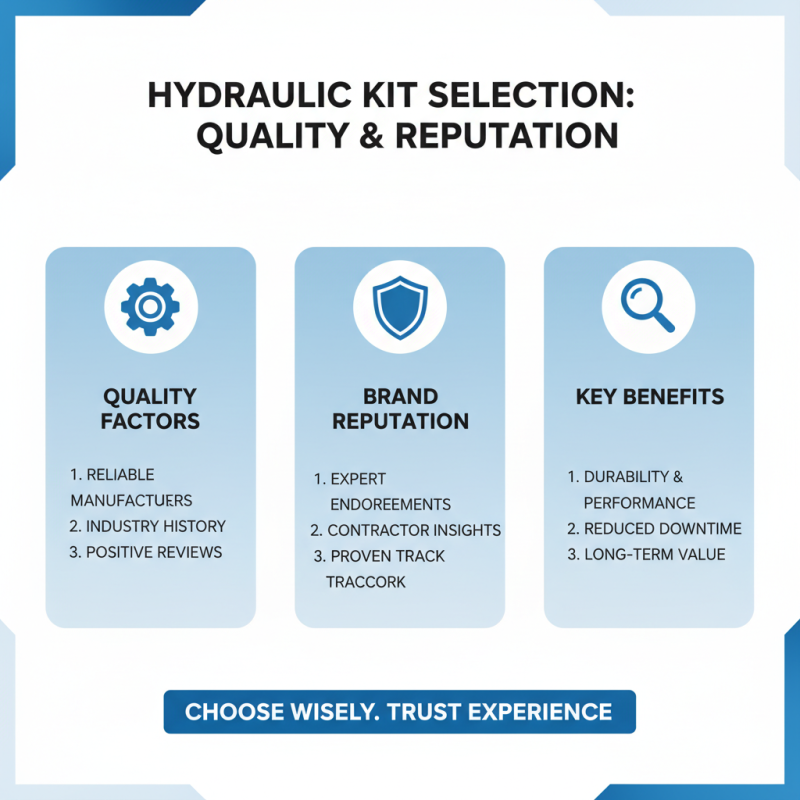
When selecting a hydraulic kit, quality and brand reputation are crucial factors. Reliable manufacturers often have a strong history in the industry. Look for companies with positive reviews and endorsements from experts. Consultation with experienced contractors may provide insights into reliable brands.
Inspect the robustness of the hydraulic components. Consider certifications that indicate adherence to safety standards. A Hydraulic Pump's durability significantly affects overall performance. For instance, a reputable brand often guarantees the longevity of their hydraulic products. However, not all brands are equal, and some may lack consistency in quality.
Be wary of overly low prices. They can indicate subpar materials or production methods. A well-built hydraulic kit should offer both efficiency and longevity. Some users have experienced issues with cheap alternatives, leading to project delays. Make a list of must-have features and evaluate different brands against these criteria.
When budgeting for your hydraulic project, conduct a cost-benefit analysis carefully. Consider both initial costs and operational costs, as they significantly impact long-term viability. Hydraulic kits vary in price, so understanding your specific requirements is crucial. Look into the materials and technology used in construction. More durable kits might have a higher upfront cost but can lead to fewer replacements.
Tips: Always compare multiple suppliers to find the best deal. Check reviews and ratings of hydraulic kits to gauge durability. This can save you money in the long run.
Factor in maintenance costs as part of your budget. A lower-priced kit could necessitate more frequent repairs, erasing any savings. Consider the scale of your project as well. Larger projects may justify investing in more advanced kits with better performance.
Tips: Create a spreadsheet to track potential expenses and savings. Consult with experts to maximize the effectiveness of your budget. Establish a contingency fund for unexpected costs, ensuring your project stays on track.
: It helps avoid overloading components and ensures efficient performance.
The speed of fluid movement and the cycle time for your application are key.
It may cause delays in operations, reducing overall efficiency.
Yes, it can lead to pressure spikes and potential damage to components.
Through hands-on testing or simulations, which provide insights beyond paperwork.
Initial costs, operational costs, and maintenance costs all significantly impact the project.
This helps find the best deal and gauge the durability of the kits.
Durable materials may have higher upfront costs but save on replacements.
Establishing a contingency fund can help keep the project on track.
Yes, expert advice can help maximize your budget’s effectiveness.
When selecting the right Hydraulic Kit for your project, it is essential to have a comprehensive understanding of its components and functions. Begin by identifying your specific project requirements, which will help in determining whether an open-center or closed-center hydraulic system is more suitable. Calculating the necessary force and flow rate is critical to meet the operational demands effectively.
Next, ensure compatibility among the hydraulic components, such as pumps, valves, and cylinders, to facilitate seamless integration. Assessing the quality and brand reputation of the hydraulic kits available in the market is also vital for long-term reliability. Finally, conduct a cost-benefit analysis to ensure your budget aligns with the hydraulic project's needs, ultimately leading to a more informed and successful selection of your hydraulic kit.