Choosing the right Breaker Machine for your construction project can really make a difference when it comes to getting things done efficiently—and honestly, it can be a game-changer. Like John Thompson from Construction Solutions Inc. always says, “Picking the right breaker isn’t just about having the most power; it’s about understanding what your project actually needs.” With so many different types out there, it’s pretty important to get a grasp on what each one can do before making a call.
The first thing you want to do is figure out what your project actually requires. Think about the size of the job, what materials you’ll be working with, and the conditions on-site—these details will help you narrow down your options and find a machine that truly fits. Plus, with all the tech upgrades these days, modern breakers come with a bunch of features—some are manual, others are automatic—you just gotta figure out which one aligns best with how you work.
In the end, making an informed choice about your Breaker Machine not only boosts your productivity but also keeps things safer for everyone on site. Taking the time to understand your options now means you’re likely to get better results in the long run, and honestly, it’s worth it for that peace of mind and success in your project.
Understanding Breaker Machines and Their Applications
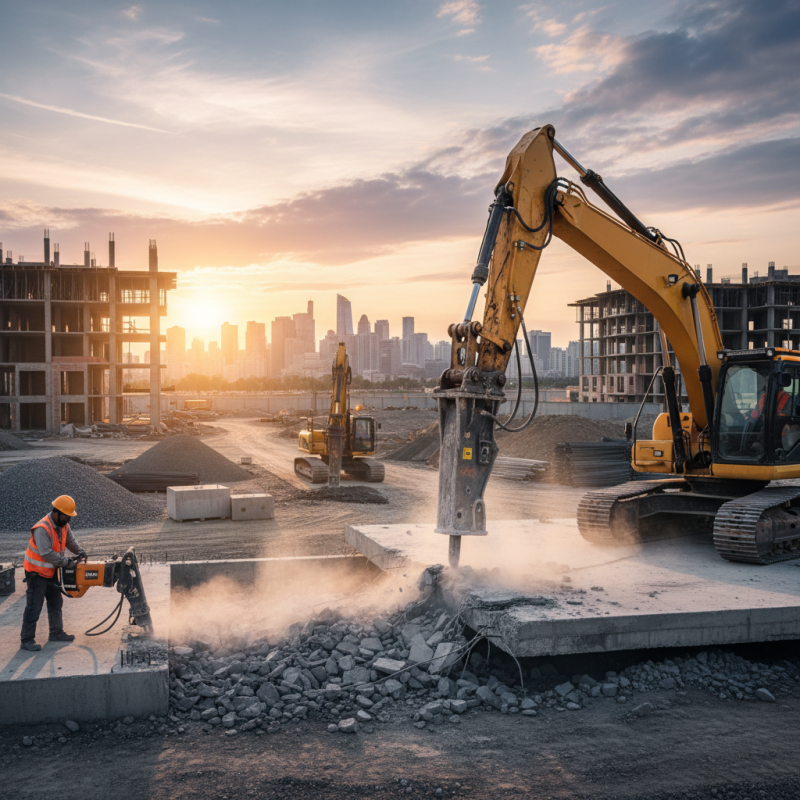
Breaker Machines, commonly referred to as demolition hammers or jackhammers, are vital tools in the construction industry. These machines are designed to deliver powerful impacts to break through concrete, asphalt, and other tough materials. Understanding their applications is crucial for selecting the right model for your project. For instance, smaller, hand-held breakers are ideal for light demolition tasks, such as removing tiles or breaking up small concrete sections. In contrast, larger, pneumatic breakers are suited for heavy-duty work, like road construction or foundation demolition, where efficiency and power are critical.
When considering the appropriate Breaker Machine, it’s essential to assess the specific requirements of your job. Factors such as the material you’re working with, the scale of the project, and the expected duration of use all play a significant role in determining the right choice. Additionally, understanding the weight and vibration levels of different machines can help minimize operator fatigue and improve safety on the job site. By carefully evaluating these aspects, construction professionals can select a Breaker Machine that fits their needs effectively, ensuring both performance and productivity are maximized.
Breaker Machine Types and Their Applications
Identifying Your Construction Project Requirements
When selecting the right Breaker Machine for your construction project, the first step is to clearly identify your specific requirements. Consider the type of materials you will be working with, such as concrete, brick, or asphalt. Heavy-duty projects that involve thick concrete slabs will require a more powerful breaker with higher impact energy compared to lighter tasks like demolition of masonry walls. Understanding the material's hardness and thickness will help you determine the necessary specifications of the breaker you need.
Additionally, assess the scale and scope of your project. For larger undertakings, such as roadwork or foundation demolitions, mobility and ease of usebecome crucial. Pneumatic and Hydraulic Breakers might be preferable for extended use in these scenarios, as they often provide better efficiency and less operator fatigue. On the other hand, if the project is smaller or in a confined space, a compact electric breaker could offer the maneuverability required without sacrificing too much power. By carefully considering these vital factors, you can ensure that you select a breaker machine that will effectively meet your construction demands.
Key Features to Consider When Selecting a Breaker Machine
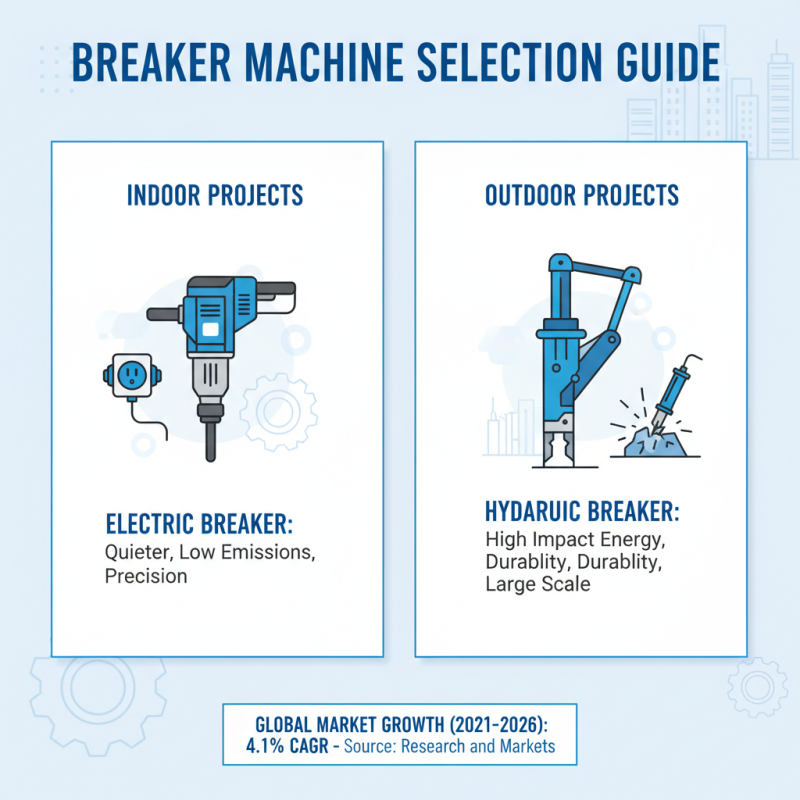
When selecting a breaker machine for construction needs, there are several key features to consider to ensure optimal performance and efficiency. First, the power source plays a crucial role in determining the machine's usability. Electric breakers are ideal for indoor projects due to their quieter operation and reduced emissions, while hydraulic models are favored for outdoor tasks, often delivering higher impact energy. According to a recent industry report by Research and Markets, the global market for Construction Equipment is expected to grow at a CAGR of 4.1% from 2021 to 2026, highlighting the increasing reliance on efficient equipment.
Next, weight and portability should influence your choice of Breaker Machine. Heavier models tend to deliver greater impact force, making them suitable for demolition work on tough surfaces. However, if mobility is a priority for tasks that require frequent relocation, lighter machines that compromise slightly on impact performance can be more convenient. The same report indicates that around 30% of contractors prefer portable machines for versatility, reflecting the demand for adaptable equipment in dynamic work environments. Thus, evaluating the balance between weight and power is critical for selecting the right Breaker Machine for your specific projects.
Types of Breaker Machines Available in the Market
When selecting a breaker machine, it's essential to understand the different types available in the market to meet your construction needs effectively. Breaker machines are typically categorized based on their application, power source, and operating mechanism. For instance, hydraulic breakers are popular for their efficiency and power, particularly suited for heavy-duty tasks such as demolishing concrete structures. These machines harness hydraulic energy to maximize impact force, making them ideal for large-scale projects.
Another category is electric breakers, which are favored for indoor or urban construction where noise and emissions are a concern. These machines offer a quieter operation and are best for smaller, precision tasks. Additionally, pneumatic breakers utilize compressed air to deliver impact, providing power and versatility in various conditions. They are commonly used in roadworks and excavation projects.
Understanding the strengths and limitations of each type allows you to select the most appropriate breaker machine based on factors like the job's environment, noise restrictions, and material to be worked on.
Evaluating the Power and Efficiency of Breaker Machines
When selecting a breaker machine for construction projects, evaluating power and efficiency is crucial for optimal performance. The power of a breaker machine is typically measured in joules or foot-pounds, indicating its ability to deliver impact force. A higher power rating generally translates to increased effectiveness when breaking through tough materials like concrete or asphalt. However, it is essential to match the power level of the machine with the specific demands of your project, as excessive power may lead to inefficient operation and increased wear on the tool.
Efficiency is equally important and can be assessed through various factors, including the machine's weight, vibration control, and energy consumption. A well-designed breaker machine should minimize user fatigue and enhance productivity by reducing the time required to accomplish tasks. Additionally, machines with advanced vibration dampening technology can significantly improve both user comfort and precision during operation.
Ultimately, choosing a breaker machine that balances power and efficiency tailored to your specific construction needs will lead to improved outcomes and cost-effectiveness on the job site.
Safety Considerations When Using Breaker Machines
When operating breaker machines, safety should be the foremost consideration to prevent accidents and ensure a productive work environment. The Occupational Safety and Health Administration (OSHA) reports that improper use of such machinery contributes to a significant percentage of construction-related injuries. In fact, nearly 20% of all construction fatalities are linked to heavy machinery incidents, highlighting the critical need for appropriate safety measures. Workers should always wear personal protective equipment (PPE), including hard hats, eye protection, gloves, and hearing protection, to mitigate risks associated with noise and flying debris.
Furthermore, it is essential to understand the operational limits of breaker machines to avoid mechanical failures and personal injury. According to a survey conducted by the Construction Safety Council, over 40% of operators reported injuries due to equipment misuse or lack of training. Ensuring that operators are adequately trained not only enhances their safety but also maximizes the efficiency of the machine. Regular maintenance checks are equally important; approximately one-third of all machinery-related accidents stem from poorly maintained equipment. Adhering to safety protocols and fostering a culture of safety within construction teams can significantly reduce the likelihood of accidents and injuries, ensuring a safer working environment for everyone involved.
How to Choose the Right Breaker Machine for Your Construction Needs - Safety Considerations When Using Breaker Machines
| Feature | Description | Safety Considerations |
| Weight | Machine weight can affect maneuverability and ease of use. | Ensure operators are trained to handle the weight appropriately to prevent injuries. |
| Power Source | Electric, pneumatic, or hydraulic power sources determine where and how the machine can be used. | Check for proper sources available on site and ensure safe connections for electrical machines. |
| Impact Energy | The energy delivered per blow, influencing the efficiency of breaking materials. | Use suitable personal protective equipment (PPE) to protect against flying debris. |
| Size | Machine size can affect portability and the capability to work in confined spaces. | Assess area of operation to ensure the equipment can be used safely without hazards. |
| Noise Level | Certain machines can produce high noise levels, impacting the work environment. | Use hearing protection to prevent long-term hearing damage for operators and bystanders. |
| Maintenance Requirements | Regular maintenance ensures safety and prolongs machine life. | Establish a maintenance log and ensure safety checks are performed regularly. |
Budgeting for Your Breaker Machine Purchase and Maintenance
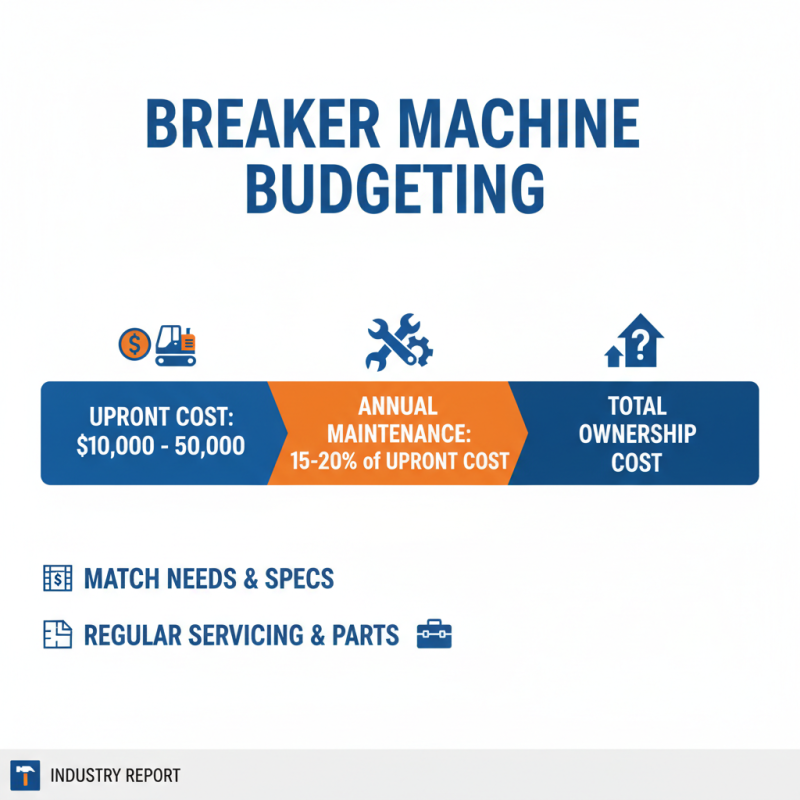
When budgeting for a breaker machine purchase, it's essential to consider both the upfront costs and long-term maintenance expenses. Industry reports indicate that high-quality breaker machines can range from $10,000 to $50,000, depending on their features and capabilities. It's vital to match the machine specifications with your specific construction needs, as investing in a machine that exceeds your requirements can lead to unnecessary financial strain. Additionally, you should account for maintenance, which typically amounts to 15-20% of the initial cost annually. This includes regular servicing, replacements for worn parts, and unexpected repairs, which can significantly impact your overall budget.
**Tip:** When setting a budget, always include a buffer of at least 10-15% beyond the estimated maintenance costs to prepare for unforeseen expenses.
Moreover, consider the potential costs associated with downtime due to machine failures. A 2022 industry survey revealed that construction projects can lose up to 30% of productivity due to equipment malfunctions. This statistic underscores the importance of investing in reliable machinery and proactive maintenance plans.
**Tip:** Investing in a comprehensive service plan can help mitigate unplanned costs and extend the lifespan of your breaker machine, ensuring you get the best value over time.
FAQS
: Breaker machines, also known as demolition hammers or jackhammers, are primarily used to break through tough materials such as concrete, asphalt, and other hard materials in construction and demolition tasks.
To select the appropriate breaker machine, consider factors such as the type of materials you will work with, the scale of your project, and the expected duration of use. Evaluating these aspects will help ensure you choose a machine that meets your specific requirements.
Smaller hand-held breakers are suitable for light demolition tasks, while larger pneumatic or hydraulic breakers are designed for heavy-duty work, such as road construction or foundation demolition where more power and efficiency are needed.
The power is crucial as it indicates the machine's ability to deliver impact force. A higher power rating allows for more effective breaking of tough materials, but it must align with the specific needs of your project to prevent inefficiency.
Efficiency can be evaluated based on factors like the machine's weight, vibration control, and energy consumption. A machine designed for efficiency will reduce operator fatigue and improve productivity by minimizing the time required for tasks.
It's important to consider the weight and vibration levels of different machines. Choosing a machine with good vibration dampening technology can help minimize operator fatigue and enhance safety on the job site.
Yes, compact electric breakers are ideal for smaller projects or confined spaces as they provide the necessary maneuverability without sacrificing too much power, making them effective for light demolition tasks.
The hardness and thickness of the material being worked on dictate the power and impact energy needed from the breaker machine. Heavier materials typically require a more powerful breaker for efficient demolition.
Using a breaker machine with excessive power may result in inefficient operation, increased wear on the tool, and potential damage to the materials being worked on, making it essential to match power levels with project demands.
Pneumatic and hydraulic breakers offer better efficiency, less operator fatigue, and are suitable for prolonged use in large-scale projects like roadwork or foundation demolition, helping to maximize productivity.
Conclusion
Choosing the right breaker machine is crucial for the success of any construction project. Understanding the various applications of breaker machines and evaluating your specific project requirements are essential first steps. Key features such as power, efficiency, and safety considerations should influence your decision-making process. Additionally, familiarizing yourself with the types of breaker machines available in the market can help you select the most suitable option for your needs.
Budgeting for both the purchase and ongoing maintenance of your breaker machine is also vital to ensure its long-term functionality. By thoroughly assessing these factors, you can make an informed choice and invest in a breaker machine that meets your construction demands effectively and safely.
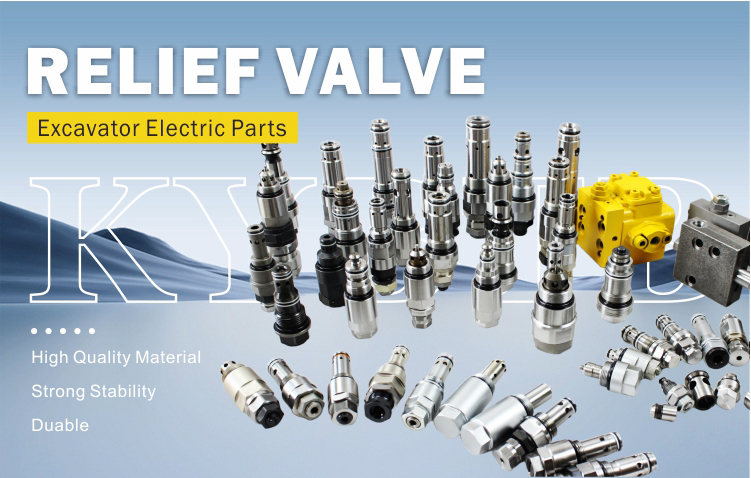 Relief Valve
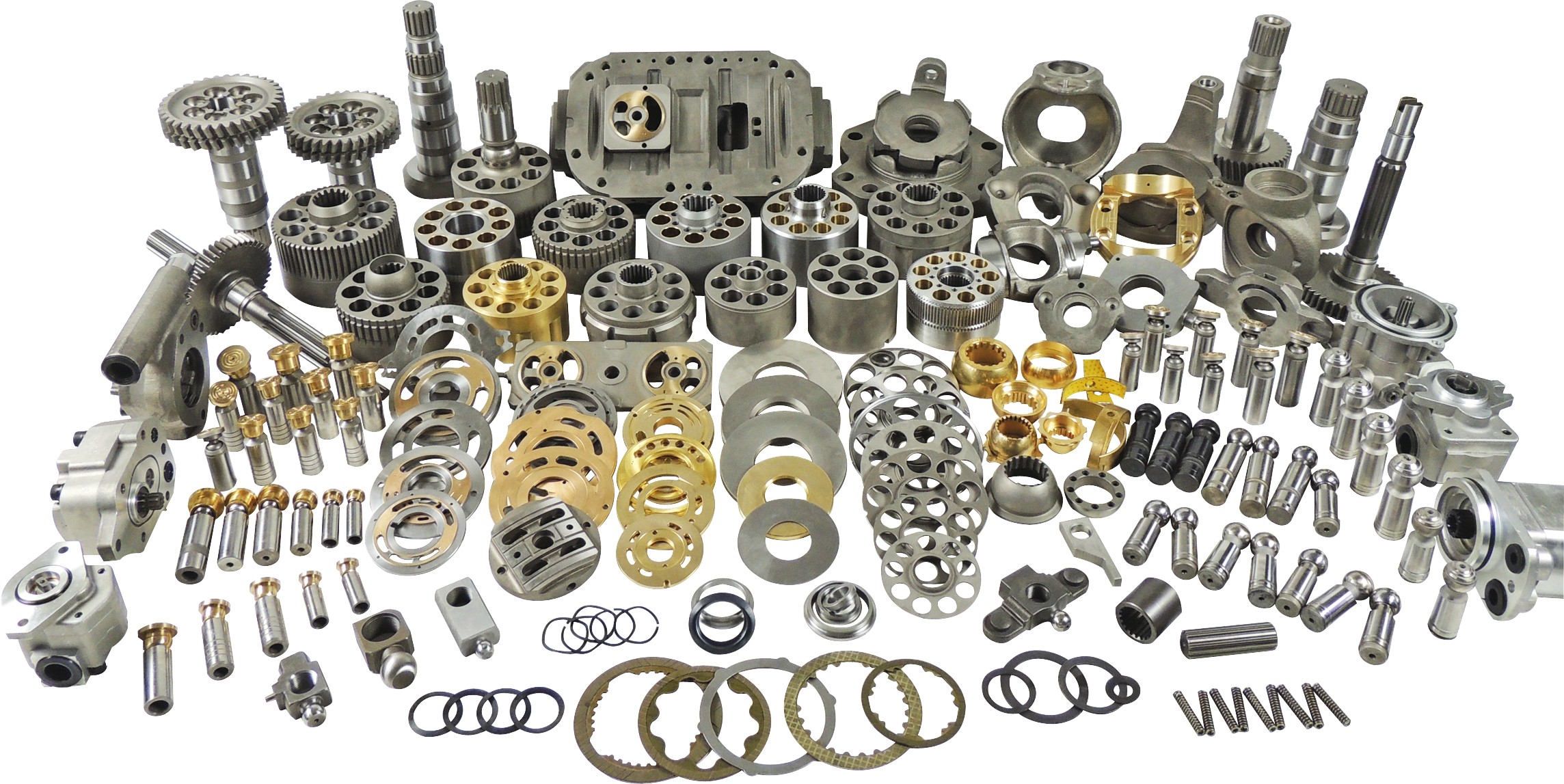 Hydraulic Spare Parts
 +8613126993997

 Contact Phone
 Contact Email