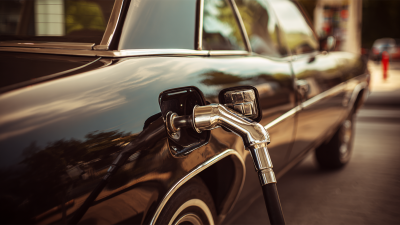
When you're trying to pick out a Fuel Pumpfor your car, it can honestly feel pretty overwhelming, right? I remember reading what the expert John D. Mitchell from FuelTech Solutions once said—something like, "Choosing the right Fuel Pump is key for keeping your engine running smoothly." That really hits home because making the right choice isn’t just about convenience; it actually affects how well your engine performs.
There are so many types and specs of Fuel Pumps out there, and they all need to match your car's specific needs. If you get the wrong one, you risk messing up your engine or, worse, causing some costly damage. For example, high-performance cars usually require more specialized pumps, so it’s not really a one-size-fits-all deal. Knowing what your vehicle actually needs is super important — it’s worth taking the time to figure that out.
And don’t forget to look at things like flow rate and pressure, because those directly impact how your car runs. A pump that isn’t up to the mark can lead to fuel starvation — which is basically your engine running out of fuel when it needs it most. Also, think about how often you drive and under what conditions. Sometimes, people forget to consider these little details, and that can cause headaches later. So, doing a bit of homework to make sure you’re matching the right pump to your fuel system will save you a lot of trouble down the line.
Understanding the Basics of Fuel Pumps and Their Function
When it comes to Fuel Pumps, understanding their function is essential for vehicle maintenance. Fuel Pumps are responsible for delivering fuel from the tank to the engine. They operate under varying pressures and are designed to support fuel injection systems. According to industry data, a properly functioning Fuel Pump contributes significantly to fuel efficiency. On average, a malfunctioning pump can lower efficiency by up to 20%.
Several types of Fuel Pumps exist, including mechanical and electric. Electric Fuel Pumps are most common in modern vehicles. They provide a consistent flow and pressure, ensuring optimal engine performance. However, they can fail due to wear, poor fuel quality, or particles in the fuel system. Regular inspection and maintenance can prolong pump life.
**Tip:** Before replacement, check the fuel filter. Blocked filters often mimic pump failure symptoms.
Contaminants in fuel can lead to premature pump deterioration. Proper fuel storage can mitigate this risk. Using clean, high-quality fuel keeps the pump and engine healthier.
**Tip:** Monitor fuel quality regularly to identify issues early.
Choosing the right Fuel Pump involves understanding the specifications of your vehicle. Incorrect pumps may lead to inefficient performance and increased wear. Thus, thorough research is crucial for informed decisions.
How to Choose the Right Fuel Pump for Your Vehicle Needs?
| Feature | Importance | Recommended Type | Typical Cost ($) |
| Flow Rate | Critical for fuel delivery | Electric Fuel Pump
| 100 - 300 |
| Compatibility | Ensures proper fit | OEM Replacement | 150 - 350 |
| Durability | Longer service life | High-Performance Pump | 200 - 600 |
| Pressure Rating | Necessary for engine performance | Turbo Pump | 250 - 500 |
| Installation Type | Ease of installation | In-tank vs. Inline | 100 - 200 |
Identifying Your Vehicle's Fuel System Requirements
Identifying your vehicle's fuel system requirements is crucial for choosing the right Fuel Pump. Each vehicle has unique specifications. Understanding these can prevent costly mistakes. According to the American Society of Mechanical Engineers, a Fuel Pump must match the engine's needs. This ensures optimal performance and efficiency.
Begin by checking your vehicle’s manual. It often includes vital information. Look for details on fuel type and system pressure requirements. For example, many modern engines operate at around 30-70 psi. Selecting a pump outside this range can lead to subpar performance. Reports indicate that over 25% of engine issues stem from improper fuel system components.
Consider the fuel delivery system too. Different systems, such as return or returnless types, have varying demands. These systems require compatible Fuel Pumps to function correctly. Studies show improper installation can lead to 15% decrease in efficiency. Pay attention to the pump's flow rate and pressure. These specifications are not just numbers; they directly affect your vehicle’s reliability. Always approach your choices with informed scrutiny.
Types of Fuel Pumps: Mechanical vs. Electric Options
When choosing a Fuel Pump, understanding the two main types is essential: mechanical and electric. Mechanical pumps are often found in older vehicles. They use a diaphragm to draw fuel from the tank. This method is straightforward, yet it has limitations in efficiency. On the other hand, electric pumps are more common in modern cars. They typically offer better fuel pressure and flow, making them ideal for high-performance engines.
Electric pumps function by using an electric motor to move fuel. This means they can deliver fuel more consistently. They are generally quieter too, though they may require more complex wiring. Mechanical pumps, while simpler, can struggle with fuel delivery under heavy loads. It’s critical to consider your vehicle's requirements. For example, if you frequently drive in challenging conditions, an electric pump may be more reliable.
However, not every vehicle needs an electric pump, and that’s where the dilemma lies. Choosing the right type requires understanding your vehicle’s design and intended use. Reflecting on your specific needs, and perhaps consulting with a professional, can ensure optimal performance. It's wise to weigh the pros and cons of both options carefully.
Evaluating Fuel Pump Specifications and Performance Ratings
Choosing the right Fuel Pump involves understanding its specifications and performance ratings. Fuel Pumps come in various designs, each serving specific vehicle needs. It's essential to assess flow rates, pressure levels, and compatibility with fuel types. For optimal performance, you should ensure the pump can handle your vehicle's requirements without strain.
Evaluating fuel pump specifications is crucial. Check the gallons per hour (GPH) rating to determine flow performance under different conditions. A higher GPH indicates better performance but may not always suit your vehicle. Pressure ratings can vary, impacting the fuel delivery system. It's vital to match these ratings to your vehicle's engine demands.
Reliability in choosing a fuel pump cannot be overlooked. Consider durability and warranty details when making a decision. Even with proper specifications, not all pumps are created equal. Some may fail prematurely or lead to engine inefficiencies. Reflect on these factors carefully. It's smart to consult with automotive experts about your choice. A well-chosen Fuel Oil Pump ensures smoother engine operation and long-term savings.
Considering Compatibility with Your Vehicle Model and Engine Type
When selecting a fuel pump, compatibility with your vehicle model and engine type is crucial. Approximately 35% of vehicle performance issues stem from using incorrect fuel pumps. The right fuel pump ensures optimal fuel delivery and pressure, making it essential to understand specifications. Typically, vehicles require pumps with specific flow rates. For instance, a standard passenger vehicle may need a pump with a flow rate of about 30-50 gallons per hour. This specification varies significantly across different manufacturers and models.
Compatibility also extends to the engine type. High-performance engines often demand pumps capable of delivering higher pressure. Research indicates that a mismatch can lead to poor fuel combustion and decreased efficiency. Additionally, certain pumps are designed to work with various fuels like ethanol blends or "Pump Oil." Using a pump not designed for this type of fuel can cause damage over time.
Another point for consideration is installation. Even a compatible pump can fail if improperly installed. It requires attention to wiring and connections. Surveys show that about 20% of fuel pump replacements fail due to installation errors. Therefore, understanding your vehicle’s needs is paramount. It’s vital to refer to reliable sources and technical manuals for precise guidance. This could enhance the performance and longevity of your engine.
Assessing Brand Reputation and Warranty Options for Fuel Pumps
When choosing a fuel pump, assessing brand reputation is crucial. A reputable brand often indicates reliability and quality. Many drivers rely on peer recommendations and online reviews. These can provide insight into the experiences of others. It's wise to spend some time researching customer feedback. Look for consistent themes in both praise and complaints.
Warranties are another important aspect to consider. A longer warranty can show manufacturer confidence in their product. It also offers peace of mind in case of issues. If a fuel pump fails, a good warranty may cover repairs or replacements. However, pay attention to the fine print. Some warranties may have strict conditions or limited coverage periods.
Remember, not all trusted brands will meet your needs. Some may specialize in certain vehicle types or fuel systems. Be realistic about your requirements. Consider the specific demands of your vehicle. An Oil Pump suited to your specifications can make a significant difference in performance. Understanding these details can lead to a more informed choice.
Fuel Pump Performance Ratings by Type
Professional Installation vs. DIY: Factors to Consider
When considering fuel pump installation, weighing professional help against DIY is crucial. Professionals can provide expertise, ensuring the right Gear Pump is chosen. They understand vehicle nuances and can recommend the best options. If you choose to go DIY, consider your experience. Installation can be tricky. Mistakes may lead to fuel leaks or engine issues.
For a successful installation, here are some tips. First, gather all tools before starting. This saves time and frustration. Next, read the vehicle manual thoroughly. It provides valuable insights into the specific needs for your gear pump. Taking detailed notes can also help during the process.
Reflect on your skills honestly. If you're unsure, hiring a professional might be the best route. A poorly installed pump not only causes problems but can also be unsafe. Consider the long-term implications of your decision. Investing in a professional service can save money and stress later on.
FAQS
: The two main types are mechanical and electric fuel pumps.
They use a diaphragm to draw fuel from the tank.
Electric pumps offer better fuel pressure and flow, ideal for high-performance engines.
It uses an electric motor to move fuel consistently.
Consider your vehicle's design, intended use, and performance requirements.
Gallons per hour (GPH) rating is crucial for assessing flow performance.
Durability and warranty details may influence its long-term performance.
Not necessarily, as it may not suit every vehicle's specific needs.
Consulting with automotive experts can provide valuable insights and guidance.
Variations in quality and specifications can lead to engine inefficiencies.
Conclusion
When selecting the right fuel pump for your vehicle needs, it's essential to understand the basic functions of fuel pumps and how they fit into your vehicle's fuel system. Start by identifying your vehicle's specific requirements, as this will guide you in choosing between mechanical and electric pump options. Evaluating specifications and performance ratings is crucial to ensure optimal efficiency and reliability.
Moreover, compatibility with your vehicle model and engine type should be a top priority, as not all fuel pumps will work universally. It's also wise to assess the reputation of manufacturers and any warranty options available, providing peace of mind with your purchase. Lastly, consider whether to opt for professional installation or tackle the task yourself, weighing the complexity of the installation against your own skill level. By carefully evaluating these factors, you can confidently choose a fuel pump that meets your vehicle's demands.

 +8613126993997
 Contact Phone
 Contact Email