+8613126993997 


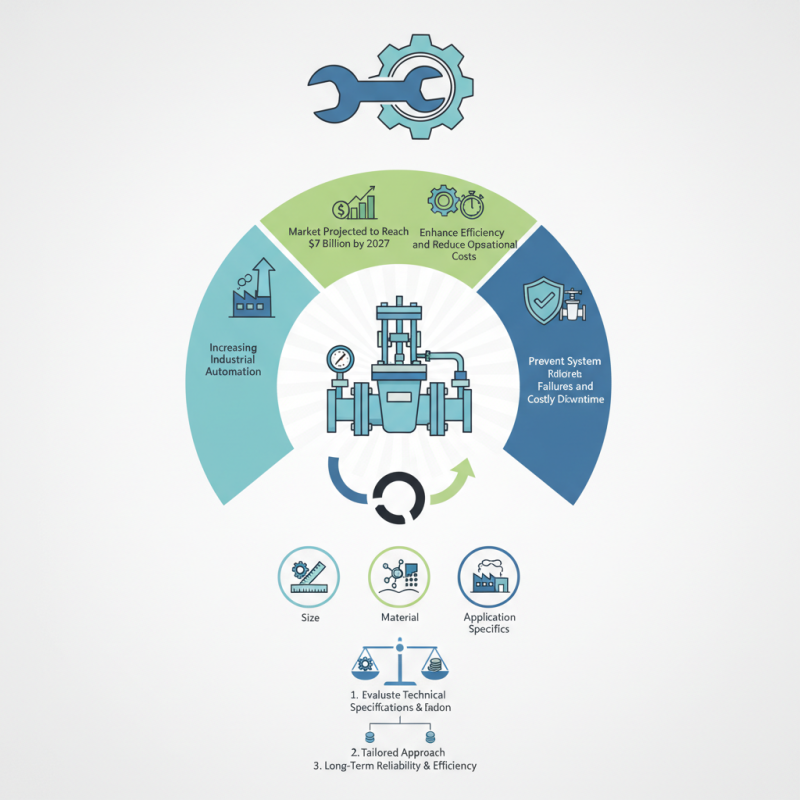
Picking the right Throttle Valveis super important if you want your system to run smoothly. Based on a report from Global Market Insights, the market for Throttle Valves is expected to hit around $7 billion by 2027 — all thanks to more industries jumping into automation. But honestly, as things keep changing and expanding, finding that perfect Throttle Valve can get pretty tricky.
Dr. Henry Thompson from FlowControl Solutions, a well-known expert in the field, points out, “Getting the right Throttle Valve can seriously boost efficiency and save money in the long run.” It’s key to really understand what your specific needs are. When you choose wisely, you avoid system failures and those frustrating costly downtimes. But, a lot of folks tend to overlook some important factors — like size, the material it’s made of, or what exactly you’ll be using it for.
With so many options out there, it’s easy to feel overwhelmed. Engineers need to find that sweet spot — balancing what works best with what fits the budget. Making the wrong choice can lead to all sorts of inefficiencies. So, it’s really worth doing your homework and digging into the technical specs to make smarter decisions. In the end, the best Throttle Valve isn’t just about what performs well initially — it’s about long-term reliability and keeping things running smoothly without a hitch.
Throttle Valves play a crucial role in various applications. Understanding the types available is essential. A Throttle Valve controls fluid flow within a system. It can be found in automotive engines and industrial machinery. Each type serves a specific purpose, so knowing your needs is critical.
For example, the Dh220-5 Throttle Valve is ideal for excavators. It excels in regulating engine power and improving fuel efficiency. Other types include ball valves, butterfly valves, and globe valves, each with distinct applications. Choosing the right valve can impact performance. It is not a one-size-fits-all choice.
Many users overlook maintenance. A Throttle Valve can become clogged or less responsive over time. Regular checks can prevent significant issues. It’s vital to assess the condition of the valve periodically. Even a small malfunction can lead to bigger problems. Focus on quality and application compatibility for the best performance.
Choosing the right Throttle Valve requires consideration of several key factors. Understanding your specific application is essential. Different systems demand distinct valve types. For instance, a high-sensitivity setup may require a more responsive valve. The material of the valve can also greatly affect performance. Stainless steel may offer durability, while plastic could be lightweight.
Another vital factor is the size of the valve. Ensure it fits well within your system. A mismatched valve can lead to inefficiencies or even damage. Pay attention to the pressure ratings as well. A valve must withstand the operational demands without failure.
Consider installation and maintenance needs as well. Some valves are easier to install than others. Reflect on whether you have the expertise for upkeep. Lastly, think about your budget. There is often a trade-off between cost and quality. Finding the right balance is key. Decisions can be challenging. Sometimes, the best option isn't immediately clear, requiring further research.
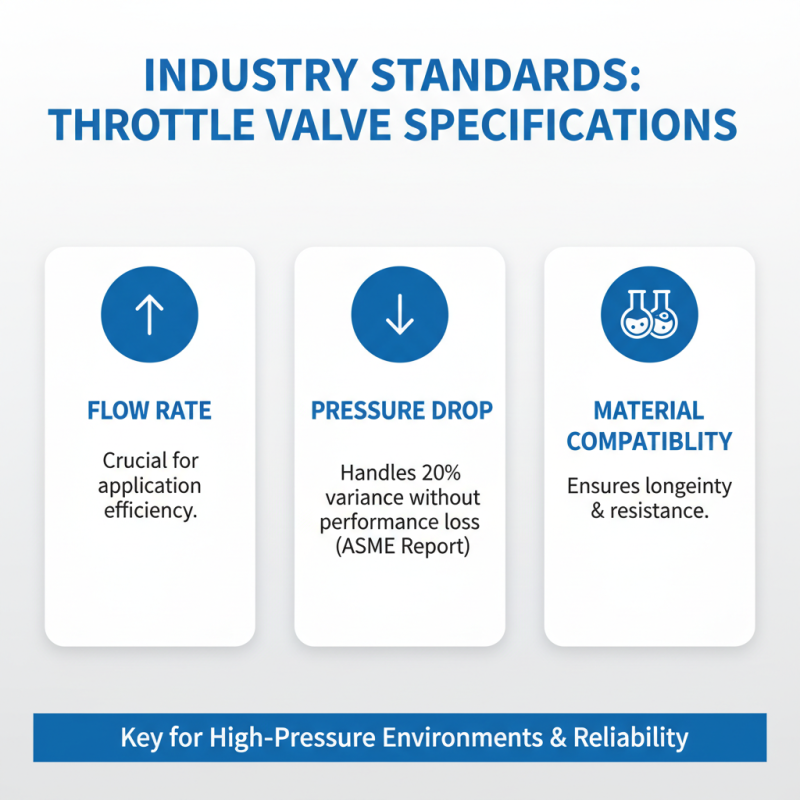
When selecting a Throttle Valve, familiarity with industry standards is crucial. The specifications typically include flow rate, pressure drop, and material compatibility. For instance, a recent report by the American Society of Mechanical Engineers indicates that valves must handle a 20% variance in pressure without performance loss. This detail is vital for applications in high-pressure environments.
Material selection also plays a significant role. Common materials include stainless steel and PVC. The choice affects temperature tolerance and corrosion resistance. Recent studies show that 25% of valve failures are due to corrosive environments. Therefore, understanding the operating conditions is essential. Moreover, operating temperatures can range from -40°C to over 120°C, depending on your system.
It’s tempting to overlook minor specifications. However, they can lead to costly mistakes. Regular maintenance checks can mitigate these issues. Industry leaders emphasize that even a small deviation in valve tolerance can result in system inefficiencies. Ensure you're not skimping on these details. Increased attention to specifications may seem tedious but ensures reliability in the long run.
When choosing a Throttle Valve, material is a crucial factor. The right material affects both durability and cost. Common materials include stainless steel, aluminum, and plastic. Stainless steel is strong but often more expensive. Plastic valves are lighter and cheaper, yet they may not withstand high-pressure environments.
Consider your specific application when evaluating materials. If the valve will face harsh conditions, durability is key. A cheaper valve might save money upfront but lead to costly repairs later. On the other hand, investing in quality materials can result in long-term savings.
It’s also essential to evaluate how often you will need replacement parts. Sometimes, a less durable material can lead to frequent replacements. This ongoing cost can outweigh the initial savings. Reflect on your needs and priorities carefully. A thorough assessment of material choices can prevent future frustrations.
When selecting a Throttle Valve, efficiency is paramount. Performance metrics such as flow rate, pressure drop, and response time are essential. According to industry reports, a well-designed Throttle Valve can achieve an efficiency rating of over 90%. However, not all applications will see these numbers. The specific fluid dynamics can affect performance significantly.
Assessing efficiency requires monitoring different factors. For instance, flow rate should match system requirements to avoid underperformance. A Throttle Valve with a low pressure drop is preferable, as it reduces energy loss. In many setups, the choice of materials can also impact performance. Modern materials often provide better durability and lower friction.
**Tip:** Regularly inspect throttle valves to ensure they function optimally. Routine maintenance helps identify wear before it affects efficiency.
Consider control systems as well. Automation can improve responsiveness, but complexities can arise. Balancing manual and automated controls can be a challenge. Understanding the specific needs of your system will guide you in selecting the right Pc Valve.
**Tip:** Always compare different models and their specifications. Even minor differences can have a big impact on overall efficiency.
Choosing the right throttle valve is critical. Many people overlook key factors, leading to costly mistakes. One common error is focusing solely on compatibility. It's important to consider the valve's performance in your specific system. A valve that fits may not function well under certain pressures or flow rates. Understanding the unique requirements of your setup is essential.
Another mistake is ignoring the material of the throttle valve. Different applications require different materials. For instance, a valve used in a corrosive environment needs to be made from resistant materials. Failure to consider this can lead to early wear or valve failure.
It's also vital to assess the valve's control type. Digital controls offer precision, while manual adjustments might suffice for simpler applications. Many users overlook this aspect, leading to inefficient performance. A common choice, the Ls Valve, is one example where control type significantly influences functionality. Prioritizing these factors can avoid costly problems down the line.
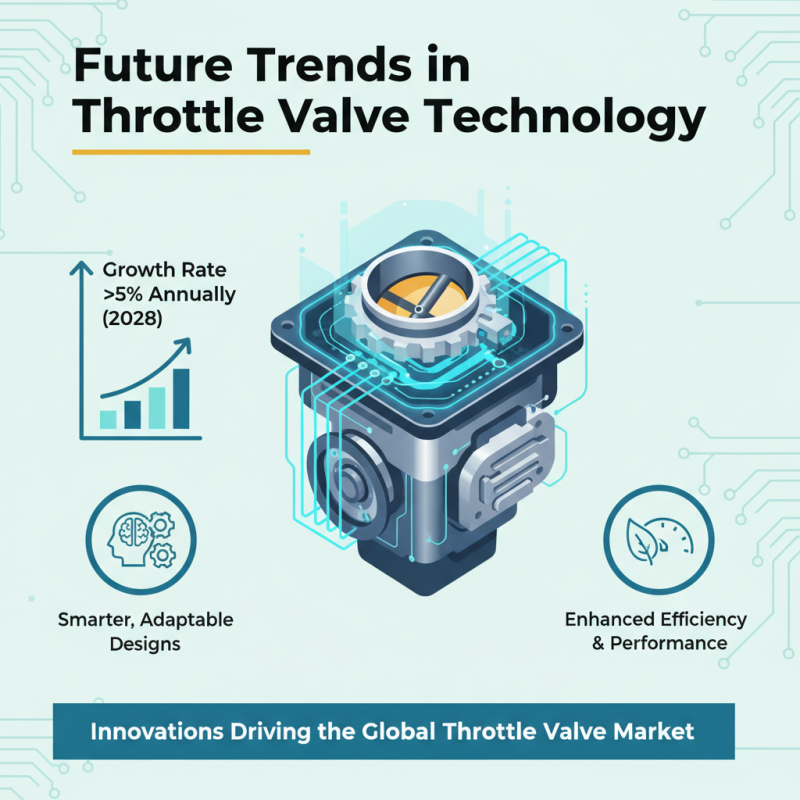
The throttle valve industry is witnessing rapid advancements in technology. Innovative designs aim to enhance efficiency and performance. A recent report by the Global Throttle Valve Market Analysis predicts a growth rate of over 5% annually through 2028. This trend indicates a robust demand for smarter and more adaptable throttle valves.
Emerging technologies such as IoT integration and predictive analytics are reshaping the sector. These tools allow for real-time monitoring and adjustments, significantly improving response times. For instance, implementing AI-driven controls can optimize actuator responses. This has meaningful implications across industries, making systems more efficient and reducing energy consumption.
While advancements are promising, challenges remain. Installation and maintenance complexities can hinder wide adoption. Moreover, the reliance on technology raises concerns about data security. As industries adopt new throttle valve technologies, it is crucial to address these issues. The evolution of the throttle valve, including the integration of Gun Valves, will likely redefine standards in process automation and control.
: The application determines the type of valve needed, affecting performance and efficiency.
Materials like stainless steel offer durability, while plastic is lightweight, impacting overall efficiency.
An incorrectly sized valve can lead to inefficiencies and potential system damage.
The valve must handle operational demands to prevent failure during use.
Some valves are easier to install and maintain. Assess your expertise before choosing.
Key metrics include flow rate, pressure drop, and response time, all crucial for optimal performance.
Innovations like IoT and predictive analytics are improving real-time monitoring and efficiency.
Yes, installation and maintenance complexities, along with data security concerns, need addressing.
Regular checks help maintain performance and identify wear before it affects efficiency.
Even small differences in specifications can significantly impact overall efficiency and performance.
Choosing the right throttle valve is crucial for optimizing performance in various applications. Understanding the different types of throttle valves and their specific uses is the first step. Key factors such as the operating environment, flow rates, and compatibility with existing systems must be carefully considered. Additionally, adhering to industry standards helps ensure reliability and safety.
Material selection plays a significant role in balancing durability with cost-effectiveness, while performance metrics can help assess efficacy. Common mistakes include underestimating the importance of proper sizing and overlooking maintenance requirements. As technology evolves, future trends in throttle valve design promise improved efficiencies and enhanced functionality, making it essential for users to stay informed about such advancements.