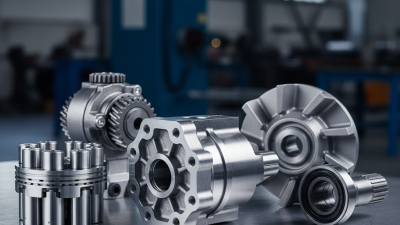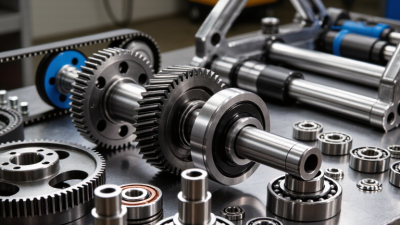
You'd think Pump Parts are just a bunch of metal pieces, but honestly, every single one has a job to do when it comes to moving fluid, handling pressure, and holding up against wear. The casing guides the flow, the impeller does the heavy lifting by adding energy, seals keep things from leaking, and bearings keep the shaft spinning smoothly. And the little stuff matters—even a tiny tweak in material or fit can change how it performs, especially if you're dealing with abrasive or corrosive stuff.
So, the U.S. Department of Energy and the Hydraulic Institute did some digging, and it turns out pumping systems use up nearly 20% of all the electricity in the world. In some industrial settings, that number jumps to 25–50% of energy use. Pretty wild, right? But here's the thing — those stats are about entire systems, not just individual parts. Still, they make a pretty solid case for why you shouldn't just pick any old component without thinking it through. I'd love to bring in a pump educator's take on this, but honestly, I don't have a verifiable quote to pull from, and making one up would be pretty misleading. The main takeaway here is pretty practical: how efficient a pump ends up being really depends on the whole system—not just one single part.
Alright, so this guide is basically about the main types of Pump Parts—wet-end components, rotating assemblies, seals, bearings, and drive elements. We'll walk through what each part actually does and where you usually run into trade-offs. Here's the thing: names and designs can vary a lot depending on the pump type and who made it. That can make comparisons kind of messy. And just because a part works fine with clean water doesn't mean it'll hold up in slurry. So the application details matter just as much as what the part is called.
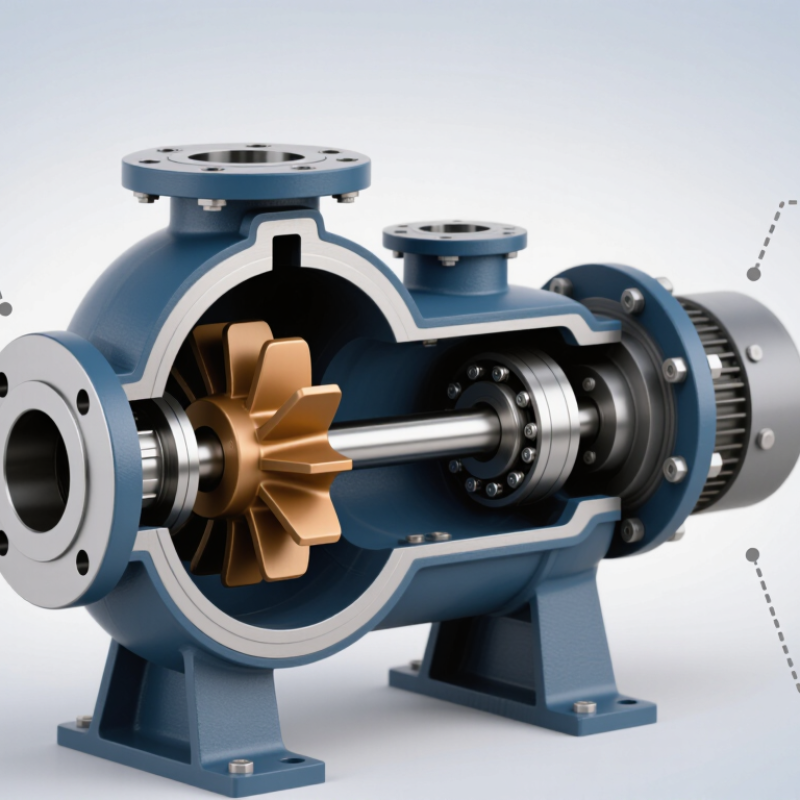
Most pumps share core parts, though their layout depends on the fluid, pressure, and duty. In a centrifugal pump, the casing guides liquid from the inlet toward the outlet. The impeller spins inside it, adding velocity that the casing helps convert into pressure. Clearances matter. A worn impeller or damaged casing can reduce flow, increase vibration, and waste energy. Other pump designs use gears, lobes, or pistons instead, so an impeller is not found in every pump.
The shaft transfers power from the motor to the moving element. Bearings support the shaft and help it rotate steadily, while a seal or packing limits leakage where the shaft exits the casing. Listen for changes. New rattling, heat, or visible drips may point to wear, but symptoms alone do not identify the faulty part. Suction and discharge connections direct fluid into and out of the pump. Some designs also include wear rings, which help control internal leakage and protect more costly components. Details vary. During inspection, note the pump’s operating conditions as well as the part itself; a seal that fails repeatedly may reflect misalignment, dry running, or unsuitable fluid conditions.
Wetted Parts That Contact and Move the Fluid
Wetted parts touch the pumped liquid and guide its movement. Common examples include the impeller, casing, wear rings, and mechanical seal faces. The impeller transfers energy to the fluid, while the casing directs flow toward the discharge. In Hydraulic Pump Parts selection, material compatibility matters: abrasive particles can wear clearances, and corrosive liquids can attack metal surfaces. A small clearance change may reduce efficiency or increase vibration. The exact effect depends on pump design and operating conditions.
The U.S. Department of Energy’s Improving Pumping System Performance: A Sourcebook for Industry reports that pumping systems account for nearly 20% of global electricity demand. It also notes that pumps can consume 25–50% of energy in some industrial facilities. These figures describe entire pumping systems, not wetted parts alone. Still, worn impellers, damaged seals, or rough internal surfaces can contribute to poor performance. One detail is easy to miss: a material suitable for the liquid may still wear quickly when solids are present.
Tips: Check wetted surfaces during maintenance. Look for pitting, scoring, deposits, and uneven wear. Record the fluid temperature and solids content too; material choice based on liquid name alone can be a little misleading.
Typical fluid path through a centrifugal pump
The bars show the typical order in which fluid passes through key wetted components: from the suction nozzle, through the impeller, and out through the discharge nozzle. Exact components vary by pump design; some pumps include a diffuser or wear rings.
Drive parts carry power from a motor into a pump’s rotating assembly. Common components include a shaft, coupling, belt, or gearbox. The exact arrangement depends on the pump design and operating conditions. A coupling joins two shafts, while a belt drive uses pulleys to change speed or direction. These parts do more than spin. They must handle torque, vibration, and the forces created during operation.
Alignment matters. Even a small offset between motor and pump shafts can cause vibration, heat, and faster bearing wear. A mechanic might check alignment with a straightedge or precision instrument, then inspect the coupling for cracks or wear. Belt-driven pumps need suitable belt tension; too much can strain bearings, and too little can slip. Small details count. A slight rattle may be easy to dismiss, but it can signal a developing problem.
Lubrication needs vary by design. Pump Oil may be specified for certain gearboxes or oil-lubricated bearings, but many pumps use grease or sealed bearings instead. Follow the equipment’s service instructions, and keep lubricant away from parts that should remain dry. I’ve found that maintenance notes are useful, though they don’t always capture every change in sound or vibration. It is worth recording those observations, even when the cause is not obvious yet.
Sealing parts keep pumped fluid from escaping where the rotating shaft meets the stationary casing. Common examples include mechanical seals, packing, O-rings, and gaskets. Each works differently. A mechanical seal uses closely matched faces, while packing compresses around the shaft. No seal is perfect under every condition.
A faint wet ring near a packed gland may be normal; too much dripping can point to wear or loose adjustment. Mechanical seals usually limit leakage to a very thin film between their faces. They can fail quickly if run dry, installed out of alignment, or exposed to fluid that damages their elastomers. Small details matter. A gritty deposit on a seal face can create a leak path.
Choosing a sealing part depends on pressure, temperature, shaft speed, and fluid compatibility. During inspection, check for hardened O-rings, scored sleeves, uneven wear, and residue around the seal housing. Replace damaged parts rather than tightening everything blindly; excess pressure can deform packing or strain a seal. Even experienced technicians can miss a slight alignment problem, so leakage patterns deserve a second look. A clean surface helps, but it does not prove the seal is sound.
A pump assembly depends on more than its rotating parts. A rigid baseplate keeps the casing and driver aligned, while mounting bolts resist movement during startup. Suction and discharge flanges connect the pump to pipework; correctly fitted gaskets help prevent leaks. Small gaps matter. Even slight misalignment can add vibration, wear seals, and loosen fasteners over time.
Support and connection parts also affect energy use. The U.S. Department of Energy’s Improving Pumping System Performance: A Sourcebook for Industry reports that pumping systems account for nearly 20% of global electricity demand. That figure covers entire systems, not individual fittings, but it shows why sound installation matters. Flexible connectors can reduce transmitted vibration, yet they should not compensate for poor pipe support. I’ve seen this distinction overlooked; it is easy to blame the pump when stressed pipework is the real issue.
Tips: Check that the base is level, anchor bolts are secure, and pipe flanges meet without being pulled into position. Inspect gasket edges for pinching, then recheck fasteners after initial operation. Use the pump maker’s installation tolerances where available. Don’t guess.
Flow-control parts shape how a pump moves liquid, maintains pressure, and responds to changing demand. In a centrifugal pump, the impeller adds energy to the fluid, while the casing guides it toward the outlet. A control valve can throttle discharge flow, but excessive throttling may waste energy and increase heat. Small changes matter.
Positive-displacement pumps, including an Oil Pump, need pressure protection because they can keep moving fluid against a blocked outlet. A relief valve opens when pressure exceeds its setting, diverting flow and reducing the risk of damage. Check valves prevent reverse flow after shutdown. They are simple parts, but incorrect sizing or a stuck valve can disrupt the whole system.
The U.S. Department of Energy’s Improving Pumping System Performance sourcebook reports that pumping systems use nearly 20% of global electrical energy, and can represent 25–50% of energy use in some industrial plants. That makes sound flow control more than a maintenance detail. Operators should compare measured flow and pressure with the pump’s operating range, then inspect valves for leakage, vibration, or buildup. A valve position alone does not confirm actual flow. It is easy to overlook.
Pump Parts vary because each pump moves fluid in a different way. In acentrifugal pump, a rotating impeller adds velocity, while the casing or volute guides the flow toward the outlet. The shaft, bearings, and mechanical seal support rotation and help limit leakage. Some designs also use a diffuser. Clearances matter.
A Gear Pump uses two closely meshing gears inside a casing to carry fluid from the inlet to the outlet. Its gears, shafts, bearings, and end plates need precise alignment; wear can reduce flow or pressure.
Diaphragm pumpsrely on a flexible membrane and inlet and outlet Check Valves, with an air drive or mechanical linkage moving the membrane.Not always the same.
Submersible pumps place the motor and pump together in a sealed housing, so cable entry and shaft sealing are especially important.
It is easy to assume one parts list fits every model, but even similar pump types can differ in seals, materials, and service requirements. That detail matters.
Common parts include the casing, impeller, shaft, bearings, seal, and inlet and outlet connections. Details vary.
It spins inside the casing and transfers energy to the liquid. The casing helps turn that movement into pressure.
No. Some designs move fluid with gears, lobes, or pistons instead.
Flow may drop, vibration may rise, and energy use may increase. A scoring mark can be a useful clue.
Listen closely. New rattling, unusual heat, or visible drips can point to wear, but they do not identify the faulty part by themselves.
The shaft transfers motor power to the moving element. Bearings support steady rotation, while the seal limits leakage where the shaft exits.
Common wetted parts include the impeller, casing, wear rings, and mechanical seal faces. Their materials must suit the fluid and operating conditions.
Look for pitting, scoring, deposits, and uneven wear. Record fluid temperature and solids content too; the liquid’s name alone may not tell the whole story.
Misalignment, dry running, or unsuitable fluid conditions may contribute. Replacing the seal alone might not fix the underlying cause.
Pump Parts work together to move fluid efficiently and reliably through a system. Most pump designs include wetted components, such as an impeller, rotor, or diaphragm, that contact and move the fluid, along with drive parts that transfer power from a motor or other source. Sealing components help limit leakage around moving or joined sections, while support and connection parts keep the assembly aligned and connect it to piping or equipment.
Other components regulate how the pump operates and how fluid flows, including valves and controls that adjust or direct movement. The exact arrangement and design of Pump Parts vary by pump type, because different mechanisms handle fluid in different ways. Understanding these component groups makes it easier to see how a pump’s power, fluid movement, sealing, structure, and flow regulation work together.