You'd think buying hydraulic pistons is just about finding a part that fits your machine. But honestly, it's way more nuanced than that. Get the bore size, stroke length, or mounting style wrong, and you're looking at poor performance plus a whole lot of unnecessary downtime. And here's the kicker: a piston might look perfect on the product page, yet still be totally incompatible with your cylinder, fluid, or the way you actually run things. It's the little details that make all the difference.
Here’s the thing: this guide is all about giving you ten practical tips for comparing your options without cutting corners. Before you order anything, take a good look at the pressure ratings, dimensions, seal materials, rod finish, and the manufacturer’s specs. It sounds like a lot, but it beats dealing with a mismatch later. And don’t just assume the piston will perform perfectly in your setup—ask how it handles your actual load and duty cycle, not just ideal conditions. If you can, grab the equipment manual and the part you’re replacing, and compare the numbers side by side. A decent drawing can save you from an expensive guess, so don’t skip that either. And when in doubt, just ask the supplier directly. It’s amazing what a straight question can clear up.
Sure, price matters—nobody wants to overpay. But it’s not the whole story. You’ve got to look at warranty terms, whether spare parts are actually available, and what kind of technical support you’re getting. And if the machinery is demanding or safety-critical, don’t wing it: have a qualified technician double-check compatibility. None of this eliminates risk completely, but it does reduce the odds of a bad fit. Even seasoned buyers can miss something. Worth keeping in mind. The tips below should help you make a smarter, more practical choice.
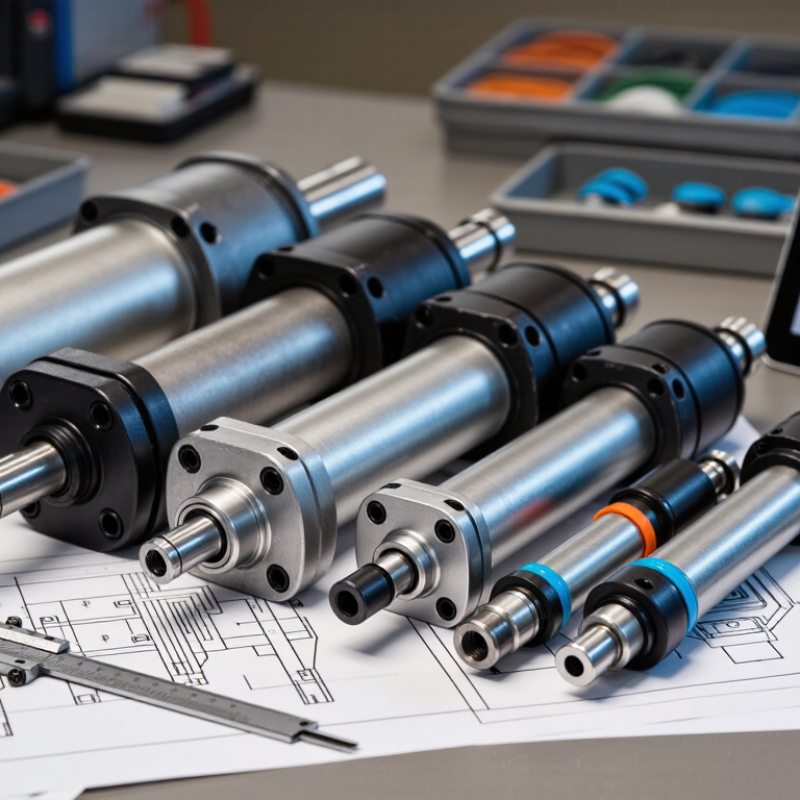
A hydraulic piston converts fluid pressure into controlled linear force, but its job must be defined before dimensions are chosen. Is it lifting a steady load, clamping a part, or cycling rapidly? Record the load, stroke, mounting position, required speed, and pressure. Also note start-up temperature and the fluid used. A piston sized only for peak force may move too slowly or overheat during repeated cycles. Small details matter.
The U.S. Department of Energy’s Improving Pumping System Performance sourcebook reports that pumping systems account for nearly 20% of global electricity use. That figure is not specific to piston actuators, but it highlights why leakage and inefficient operation deserve attention. Fluid cleanliness matters too: ISO 4406 classifies particles at 4, 6, and 14 micrometers. Match filtration targets to the equipment maker’s requirements and actual duty conditions. Contamination is easy to overlook.
Tip: Before ordering a Hydraulic Kit, write down pressure, load, stroke, cycle rate, ambient temperature, and fluid type. Check how the piston will be side-loaded; even slight rod misalignment can accelerate seal wear. I still see this missed. Ask for operating limits, not just a maximum-pressure figure, and verify clearances against the real mounting space. A neat drawing can hide a tight fit.
Match the piston to the cylinder bore, rod, stroke, and mounting dimensions—not just the pressure rating.
A piston that is slightly oversized can bind as the cylinder warms; one that is undersized may leak internally and lose force. Measure the bore at several points, since wear can make it oval. Check rod diameter and stroke against the machine’s actual travel, too. Small errors matter.
ISO 6020-2:2015 sets dimensional specifications for a 160-bar series of hydraulic cylinders, showing why standard dimensions should guide part selection. Use the cylinder drawing and operating pressure to confirm fit; do not assume two cylinders with the same bore use interchangeable pistons. The U.S. Department of Energy’s Improving Pumping System Performance sourcebook reports that pumping systems can account for 25–50% of energy use in some industrial plants. That broader system finding is a useful reminder: a poorly matched piston can affect more than one component, including the Hydraulic Pump.
One detail is easy to miss. Verify seal-groove width and clearance against the fluid and temperature range, then recheck after assembly. A clean fit is not proof of a correct fit.
Hydraulic piston material should match the working conditions, not just the rated pressure. Carbon steel often handles heavy loads well, but exposed surfaces can rust when moisture gets in. Stainless steel can improve corrosion resistance, though the alloy and mating surface matter; poor pairing may cause scoring or galling. Pressure is only one part of the decision.
Check both normal and peak temperatures. Heat can change seal behavior and reduce lubricant performance, while cold starts may make seals less flexible. Confirm that the piston material, surface finish, seals, and hydraulic fluid are compatible. Small details matter. Ask for the allowable temperature range and pressure-cycle data, especially if the equipment runs continuously or sees sudden load changes.
Corrosive washdown, salt spray, or damp storage may call for stainless steel or a suitable protective coating. But a coating can wear through at contact points, so inspect how the piston is guided and where friction occurs. A spec sheet rarely tells the whole story. I would compare the actual fluid, temperature swings, and maintenance conditions before choosing; material charts alone can make the answer look simpler than it is.
Typical upper continuous-use temperatures vary by compound and operating conditions. These figures are general reference points, not pressure ratings or guarantees of hydraulic-fluid compatibility. Check the specific material grade, fluid, pressure, and temperature with the supplier before selecting a piston seal.
When buying Hydraulic Pistons, inspect the seal grooves and sealing surfaces closely. A nicked edge or uneven groove can shorten seal life, even on a new part. Check that seal materials suit the hydraulic fluid and expected temperature range. Compatibility matters. Surface finish also deserves attention: roughness can abrade a seal, while the ideal finish depends on the seal design. I would not treat a shiny surface as proof of quality; appearance can mislead.
Tip: Ask for the specified surface-finish range, material hardness, and wear-resistance details. Compare them with your equipment requirements, not just a catalog description. On a Hydraulic Shear, repeated cycles and side loads make alignment and wear checks especially useful. Look for scoring, pitting, or uneven contact on used parts. Small marks may point to contamination or misalignment, though they do not identify the cause by themselves.
Review maintenance records and operating conditions before choosing a replacement. Frequent seal failures may indicate heat, dirty fluid, or installation problems—not simply a weak piston. Ask how the part was inspected and whether its coating suits the working environment. A harder surface is not automatically better if it is poorly matched to the seals or load. When details are missing, pause and verify them; I have seen quick substitutions create more uncertainty than they save.
| # | Evaluation area | What to check | Useful buying guidance | Why it matters |
|---|---|---|---|---|
| 1 | Seal compatibility | Confirm seal material, fluid type, operating temperature, and pressure range. | Match the seal to the hydraulic fluid and actual service conditions; check compatibility guidance from the seal supplier. | An unsuitable elastomer can swell, harden, soften, or lose sealing performance. |
| 2 | Seal arrangement | Review seal type, groove dimensions, backup rings, and installation direction. | Request a drawing that shows groove width, depth, edge radii, and the specified seal part dimensions. | Correct geometry helps prevent extrusion, twisting, and assembly damage. |
| 3 | Cylinder-bore finish | Check the bore finish where the piston seal runs, including roughness and surface pattern. | A honed bore in the approximate range of Ra 0.1–0.4 µm is common for many hydraulic applications; confirm the seal and cylinder specifications. | A finish that is too rough can accelerate seal wear; an unsuitable finish can also impair lubrication and sealing. |
| 4 | Piston dimensions and tolerances | Verify piston diameter, concentricity, groove dimensions, and fit to the cylinder bore. | Specify units, tolerances, and measurement locations on the drawing; compare them with the cylinder and seal design. | Incorrect dimensions may cause excess clearance, binding, uneven seal loading, or leakage. |
| 5 | Wear bands and guiding | Check wear-band material, width, placement, and clearance against the cylinder bore. | Choose a guiding arrangement rated for the expected side load, speed, temperature, and fluid environment. | Suitable wear bands help limit metal-to-metal contact and protect seals from uneven loading. |
| 6 | Material and corrosion resistance | Ask for the piston material specification and any surface treatment or coating details. | Match material and protection to the fluid, moisture exposure, temperature, and required service life. | Corrosion or material degradation can damage sealing surfaces and compromise fit. |
| 7 | Wear resistance | Evaluate coating or treatment specifications, adhesion, thickness, and suitability for the contact conditions. | Request test or inspection records where wear resistance is critical; assess the complete piston, seal, and bore combination. | A durable surface can help resist abrasion, but an unsuitable or damaged coating may harm seals or the bore. |
| 8 | Edge condition and cleanliness | Inspect seal-entry edges, grooves, ports, and passages for burrs, sharp edges, chips, or debris. | Specify deburring, cleaning, and protective packaging requirements, especially for seal installation areas. | Burrs and contamination can cut seals or introduce damaging particles into the hydraulic system. |
| 9 | Inspection and traceability | Review dimensional inspection results, material records, and batch identification. | Agree on critical-to-quality dimensions and the inspection method before placing the order. | Documented checks make it easier to verify conformity and investigate quality issues. |
| 10 | Operating conditions and serviceability | Provide pressure, speed, cycle frequency, side load, temperature, fluid, and maintenance expectations. | Have the supplier confirm the proposed design against the application and identify recommended inspection or replacement intervals. | A piston selected for real operating conditions is more likely to deliver reliable service and predictable maintenance. |
Note: Surface-finish values and material choices are application-dependent. Confirm final requirements against the cylinder design, seal specifications, and operating conditions.
A hydraulic piston can fit perfectly and still fail early if its seals or surface finish conflict with the fluid. Check the equipment manual for the approved fluid family, viscosity range, and seal material before ordering. Mineral oil, water-glycol, and biodegradable fluids do not behave alike. A seal that swells, softens, or loses resilience can cause leakage and erratic motion. Small details matter. Compare the piston’s operating temperature and pressure with the equipment’s actual duty cycle, not just its occasional peak.
Ask the supplier for material compatibility data, then confirm it against the fluid maker’s technical sheet. ISO 11158 classifies mineral-oil hydraulic fluids by performance categories, while ISO 4406:2021 codes fluid cleanliness using particle counts at ≥4, ≥6, and ≥14 μm(c). These measurements help set contamination targets; they do not prove chemical compatibility. If the machine uses a less common fluid, request a seal compatibility test or written confirmation for the exact fluid and temperature. In field checks, a clean sample and stable seal dimensions tell more than a quick visual inspection alone. I still find charts useful, but they can miss heat, aging, and mixed-fluid residues. Verify those conditions too.
When comparing Hydraulic Pistons, inspect the rod finish, seals, and machining details, not just the quoted price. A smooth, consistent surface can help protect seals from premature wear. Ask what materials and tolerances are specified, and request inspection records for the actual production batch. Small differences matter. ForHeavy Hydraulic applications, confirm that the piston’s dimensions and rated pressure match the equipment’s operating conditions. A part that fits on paper may still perform poorly under repeated cycles or temperature changes.
Ask how each piston is tested before shipment. Useful evidence may include pressure-test results, dimensional checks, and clear acceptance criteria. If test reports are vague, request an example with identifying details removed. Compare warranty length, exclusions, and the process for handling a failed part; a long warranty is less useful if downtime and labor are excluded. Then estimate total cost of ownership: purchase price, expected service life, replacement labor, shipping, and the cost of equipment sitting idle. These estimates will never be perfect. I would rather see a realistic range than a precise-looking figure built on optimistic assumptions. A slightly higher initial cost can make sense when testing, documentation, and replacement support are dependable.
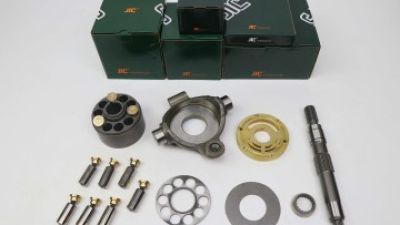
The FTB-AP2D25 hydraulic pump rotary group is a replacement component for Excavator Hydraulic Pump servicing and repair. Sourced from China, it is suited to buyers seeking dependable parts and a straightforward way to support equipment maintenance. Check the model and pump specifications against your machine before ordering to ensure the part matches your requirements.
Factory-direct supply offers access to a range of Excavator Parts and models, with a stated production capacity of up to 10,000 units per month. Flexible delivery arrangements can be discussed to suit your purchasing schedule. Competitive pricing and responsive after-sales support help make procurement easier for repair shops, equipment owners, and parts distributors.
Each unit comes with a six-month warranty for added assurance after purchase. For a complete sourcing solution, buyers can also explore related hydraulic components, including rotary group options for other pump models. Provide your machine details and required quantity when requesting a quotation so the supplier can confirm availability, compatibility, and delivery timing.
Note the load, stroke, mounting position, speed, pressure, temperature, and fluid type. Include cycle rate. Small details matter.
The piston may move too slowly or overheat during repeated cycles. Check both the heaviest load and normal operating demands.
Rod misalignment can increase seal wear, even when the angle looks small. Check the actual mounting space and guide arrangement.
Match the material to pressure, temperature, fluid, and exposure to moisture. Carbon steel can handle heavy loads, while stainless steel may suit damp conditions.
Not necessarily. The alloy and mating surface matter; a poor pairing may cause scoring or galling. The chart alone may not tell the whole story.
Confirm that the seals, piston finish, and fluid are compatible across the operating temperature range. Cold starts matter too.
A coating may help with salt spray or washdown. Inspect contact points, since friction can wear the coating through.
Follow the equipment maker’s requirements and consider the actual duty conditions. Contamination is easy to overlook. I would verify it twice.
Choosing Hydraulic Pistons begins with understanding the machine’s function, operating cycle, pressure range, temperature, and working environment. These conditions guide the required piston dimensions and help ensure a proper fit with the cylinder and the wider hydraulic system. Material selection should also reflect expected loads, heat, and exposure to moisture or corrosive substances.
Before purchasing, assess the seals, surface finish, and wear resistance, since these affect leakage, durability, and smooth operation. Confirm that the piston materials and seals are compatible with the hydraulic fluid and equipment. Finally, compare manufacturing quality, available test information, warranty coverage, and the expected cost of maintenance over time—not just the initial price. A careful evaluation of these factors can help identify a piston that performs reliably and suits the system’s requirements.