inquiry
Leave Your Message
0%

When it comes to taking care of your car, picking the right Motor Oil Pump can really make a difference — not just in how long your engine lasts but also in how well it runs. I was chatting with John Matthews, an automotive expert from EngineCare Solutions, and he mentioned that choosing the right pump does more than just keep your engine lubricated; it actually helps it run more smoothly and efficiently. With so many options out there, it can be pretty overwhelming for both pros and DIY folks trying to figure out what's best.

So, when you're on the hunt for a Motor Oil Pump, things like flow rates, compatibility with different types of oil, and how easy it is to install should be at the top of your list. Getting these right can really give your engine a health boost and make your drives more comfortable. Plus, with technology advancing all the time, it’s more important than ever to go for a modern, efficient pump. If you follow some basic tips and guidelines, you’ll be able to cut through the confusion and choose a pump that keeps your engine happy for many miles ahead.

10 Essential Tips for Choosing the Right Motor Oil Pump for Your Vehicle

Types of Motor Oil Pumps Suitable for Different Vehicles

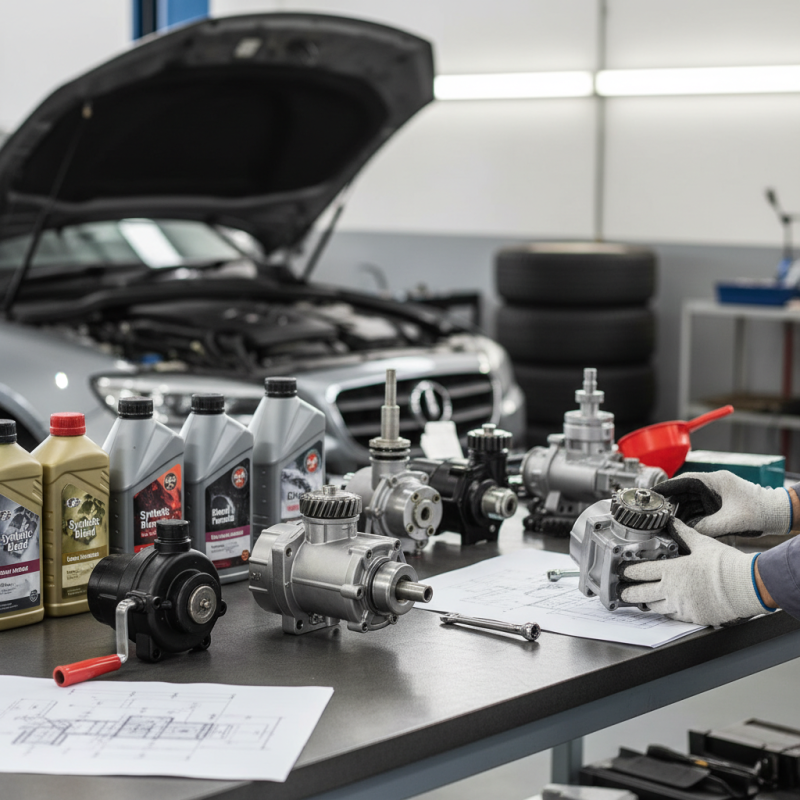
When selecting a Motor Oil Pumpfor your vehicle, understanding the types of pumps available and their compatibility with different engine designs is crucial. There are primarily two types of Motor Oil Pumps:Gear Pumps and rotary vane pumps. Gear Pumps, known for their efficiency in high-pressure applications, are typically suited for heavy-duty vehicles and performance applications. According to industry data from the American Petroleum Institute, Gear Pumps provide a consistent oil flow rate, which is essential for maintaining optimal engine temperatures and lubrication, especially in demanding environments.

On the other hand, rotary vane pumps are favored in smaller vehicles and those with less demanding performance specs. These pumps are generally quieter and offer good volumetric efficiency, making them suitable for everyday commuting vehicles. A 2021 report from the Society of Automotive Engineers indicates that the use of rotary vane pumps in standard passenger cars can improve fuel efficiency by 5-10%, underscoring their effectiveness in reducing friction and improving overall engine performance.

It's also important to consider the specifications of your vehicle, such as engine size and type, when choosing a motor oil pump. For instance, high-performance engines typically require gear pumps that can withstand higher pressures, whereas average commuter cars can benefit from the smooth operation of rotary vane pumps. By matching the pump type to your vehicle's requirements, you ensure better lubrication and longevity of your engine.

Factors to Consider When Selecting a Motor Oil Pump

10 Essential Tips for Choosing the Right Motor Oil Pump for Your Vehicle

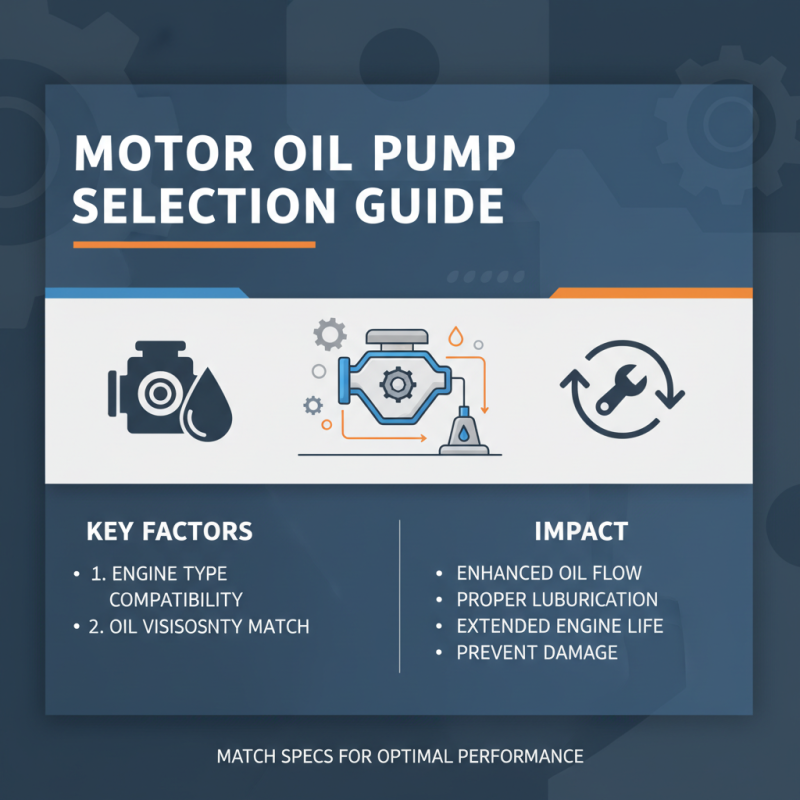
When selecting a motor oil pump for your vehicle, there are several critical factors to consider that can significantly affect performance and longevity. First, assess the pump's compatibility with your vehicle’s engine type and oil viscosity. According to industry reports, using a pump that matches the recommended specifications of your vehicle can enhance oil flow efficiency, which is vital for maintaining proper lubrication. Inadequate compatibility may lead to operational issues or even engine damage due to insufficient oil circulation.

Another essential consideration is the pump's durability and construction material. High-quality materials can withstand the rigors of prolonged use and varying temperature ranges. A recent study indicated that pumps made with robust components can last up to 30% longer than those made from lower-quality materials. Additionally, it's crucial to evaluate the pump's flow rate, ensuring it aligns with your engine's requirements. A pump with a flow rate that is too low can result in sluggish oil delivery, while one that is too high may lead to unnecessary wear on engine components.

Tip: Always check for industry certifications when evaluating motor oil pumps. This ensures that the product meets specific performance standards and has been tested for reliability. Another tip is to consult with industry professionals or refer to user reviews to gain insights into real-world performance, helping you make a more informed decision.

Understanding the Specifications of Motor Oil Pumps

When selecting the right motor oil pump for your vehicle, understanding the specifications is crucial. Motor oil pumps come with various features that cater to different engine requirements. The flow rate, for instance, is a fundamental specification you need to consider. This rate determines how quickly the oil circulates through your engine, ensuring optimal lubrication and performance. A pump with a higher flow rate is typically suitable for high-performance engines, while standard flow rates may suffice for everyday vehicles.

Another essential specification is the pump's pressure capacity. Adequate pressure is necessary for maintaining the oil's effectiveness under various driving conditions. If your vehicle operates in extreme environments or is used for heavy-duty purposes, opting for a pump with a higher pressure threshold can be beneficial.

Tip: Always match the oil pump specifications to your vehicle’s engine design and requirements. This ensures compatibility and helps avoid potential performance issues. Additionally, consider the material construction of the pump, as durable materials can provide better longevity and performance reliability. Investing time in understanding these specifications will set you up for making an informed decision that enhances your vehicle's performance.

10 Essential Tips for Choosing the Right Motor Oil Pump for Your Vehicle

Specification Description
Flow Rate Ensure the pump matches the flow rate required by your engine.
Viscosity Compatibility Select a pump designed to handle the viscosity of your motor oil.
Power Source Determine if you prefer manual, electric, or pneumatic pumps.
Build Quality Choose durable materials that can withstand frequent use.
Ease of Use Look for user-friendly features like easy setup and operation.
Portability Consider the weight and size; portable options are better for on-the-go use.
Pump Mechanism Understand whether the pump uses gear, diaphragm, or centrifugal mechanisms.
Maintenance Requirements Select a pump that matches your maintenance capability and schedule.
Price Range Find a balance between quality features and your budget.

Compatibility of Motor Oil Pumps with Engine Types

When selecting a motor oil pump, compatibility with your vehicle's engine type is a critical factor that can impact both performance and longevity. Different engine types—such as gas, diesel, and hybrid—have unique lubrication requirements that dictate the specifications for the pump used. For instance, diesel engines typically operate at higher pressure and require pumps capable of delivering higher viscosity oils, while gas engines may function optimally with lighter oils. According to a recent report from the Society of Automotive Engineers, nearly 30% of engine oil system failures stem from inadequate pump selection based on engine specifications.

Understanding the desired lubrication flow rate is integral to the compatibility of a motor oil pump. Performance engines often demand increased flow rates to maintain optimal levels of lubrication under peak conditions. The American Petroleum Institute estimates that using a pump with the wrong flow rate can decrease engine efficiency by up to 10%, leading to increased wear and tear over time. Thus, evaluating engine design, oil viscosity recommendations, and pump output capacities should be a priority for anyone looking to ensure their vehicle runs smoothly and efficiently.

Moreover, the integration of technology in modern engines—such as variable valve timing and turbocharging—has led to intricate oil circulation needs. Engine manufacturers often provide specific guidelines on preferred pump types that align with their design for optimal oil delivery. Ensuring that the selected motor oil pump aligns with these recommendations will not only enhance performance but also contribute to better fuel economy and reduced emissions.

Assessing the Performance and Efficiency of Oil Pumps

10 Essential Tips for Choosing the Right Motor Oil Pump for Your Vehicle

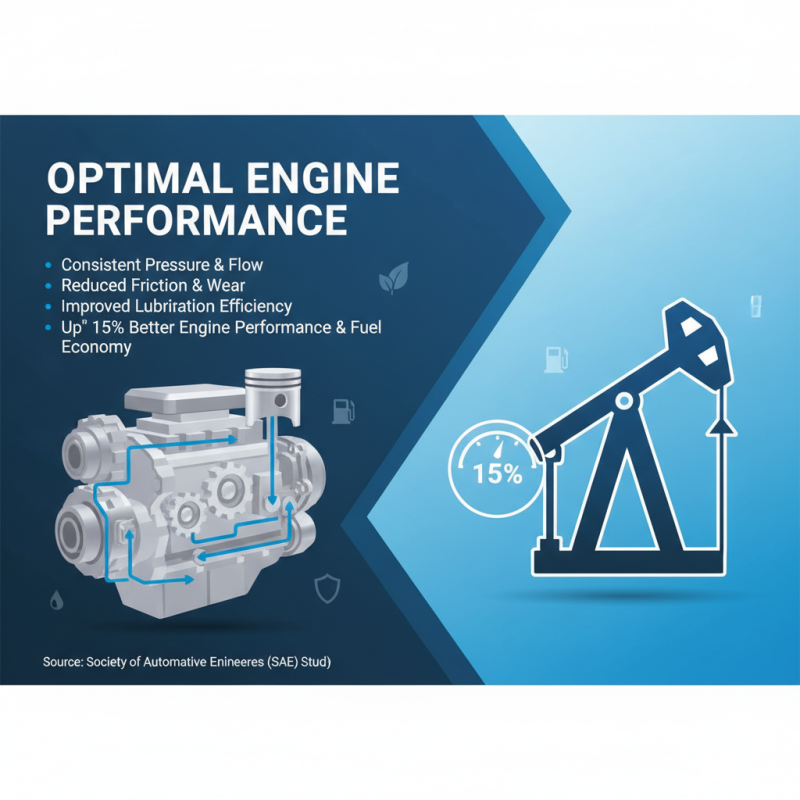
When selecting a motor oil pump for your vehicle, assessing its performance and efficiency is crucial to ensure optimal engine function and longevity. Industry reports indicate that the right oil pump can significantly influence not only lubrication efficiency but also fuel economy. According to a study by the Society of Automotive Engineers (SAE), oil pumps that provide consistent pressure and flow rates can improve overall engine performance by up to 15%. This performance increase stems from the pump's ability to maintain a stable lubricant film between moving parts, reducing friction and wear.

Another critical aspect of oil pump efficiency is its ability to operate under varying temperatures and pressures. Research from the American Society of Mechanical Engineers (ASME) shows that pumps designed with advanced materials and engineering can maintain their performance across a broader range of operational conditions. In particular, pumps that utilize variable displacement technology can adapt to the engine’s demands, optimizing oil flow based on real-time needs. This adaptability not only ensures superior lubrication but also positively impacts fuel consumption, providing drivers with significant long-term savings. Understanding these performance metrics is essential when choosing the right oil pump for your vehicle, as they can lead to a more efficient and reliable driving experience.

Maintenance Tips for Longevity of Motor Oil Pumps

When it comes to ensuring the longevity of motor oil pumps, proper maintenance is crucial. A well-maintained pump not only enhances performance but can also extend its operational lifespan significantly. According to industry studies, regular maintenance protocols, such as checking for leaks, monitoring oil condition, and inspecting wear on seals and gaskets, can reduce pump failure rates by up to 30%. Regularly replacing the oil and the pump filter, typically recommended every 3,000 to 5,000 miles, ensures that the pump operates under optimal conditions, preventing residue build-up and prolonging its service life.

In addition, monitoring operational temperatures is imperative for maintaining motor oil pumps. Temperatures that exceed recommended levels can lead to thermal expansion, which may warp internal components or degrade lubrication properties. Reports suggest that maintaining an ideal operating temperature can improve the efficiency of oil pumps by 20%. Trained technicians should routinely assess the pump’s performance and perform necessary adjustments to maintain the delicate balance of temperature and pressure, ensuring a reliable and efficient motor oil delivery system. Regular lubrication of mechanical parts and timely identification of wear can safeguard against unexpected breakdowns, ultimately leading to enhanced reliability in vehicle performance.

10 Essential Tips for Choosing the Right Motor Oil Pump

Cost Considerations and Budgeting for Your Oil Pump Purchase

When planning to purchase a motor oil pump for your vehicle, it’s crucial to consider your budget carefully. Motor oil pumps can vary significantly in price, and understanding your financial limits will help you make a more informed decision. Start by determining the amount you are willing to spend on your oil pump, taking into account both initial costs and potential long-term savings from maintenance and fuel efficiency.

One key tip is to conduct thorough research before making a purchase. Compare different models and read customer reviews to gain insights into their reliability and performance. This can prevent overspending on a pump that may not meet your needs. Additionally, consider the warranty and support services offered with the pump, as these factors can save you money in the case of repairs or replacements.

Another essential tip is to factor in the compatibility of the oil pump with your vehicle. While cheaper options may be tempting, investing in a quality pump suited to your specific vehicle type can save you costs related to improper fit or premature failure. Proper budgeting not only helps in selecting the right product but also prepares you for unexpected expenses related to installation and maintenance in the future.

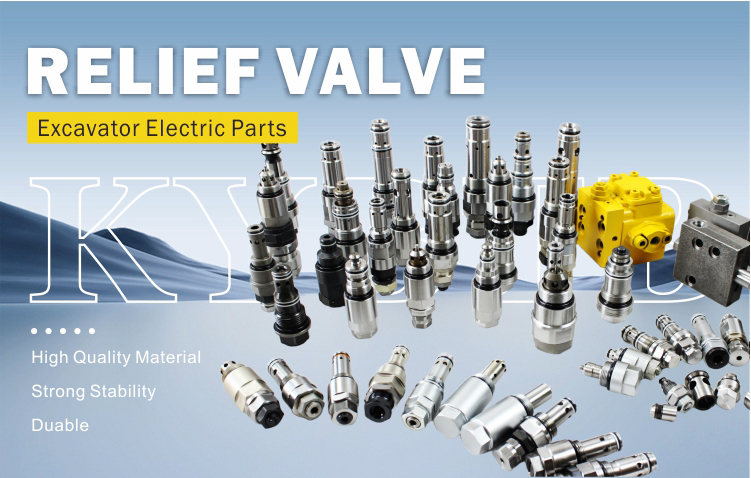
Enhancing Komatsu PC60-7 Performance: The Essential Role of the Oil Suction Valve 723-20-80100

The oil suction valve plays a critical role in enhancing the performance of the Komatsu PC60-7 excavator. As a vital component, it ensures that the hydraulic system maintains optimal pressure and efficiency, contributing to the overall functionality of the machine. When the valve operates effectively, it helps in the smooth transfer of hydraulic oils, which is essential for the rapid execution of tasks and improved machine productivity.

Choosing the right oil suction valve is crucial for maintaining the longevity and performance of your excavator. Quality assurance is paramount, as a well-manufactured valve will withstand the rigors of operation and minimize the risk of breakdowns. Offering a comprehensive selection of models is essential for meeting various operational needs, ensuring that you can find the perfect match for your equipment. Additionally, with a reliable after-sales service and affordable prices, you can invest in your machine’s performance without breaking the bank. The warranty further supports your decision, granting you peace of mind for six months of reliable operation.

FAQS

: What are the primary types of motor oil pumps used in vehicles?

: The primary types of motor oil pumps are gear pumps and rotary vane pumps. Gear pumps are efficient in high-pressure applications and suitable for heavy-duty vehicles, while rotary vane pumps are favored in smaller vehicles and are known for their quiet operation and good volumetric efficiency.

How do gear pumps benefit heavy-duty and performance vehicles?

Gear pumps provide a consistent oil flow rate, which is essential for maintaining optimal engine temperatures and lubrication in demanding environments. This efficiency is crucial for the longevity and performance of heavy-duty and performance engines.

In what types of vehicles are rotary vane pumps most commonly used?

Rotary vane pumps are commonly used in smaller vehicles and everyday commuter cars. They are quieter and provide good volumetric efficiency, which can enhance fuel efficiency by reducing friction.

How does engine type affect the selection of a motor oil pump?

Different engine types, such as gas, diesel, and hybrid, have unique lubrication requirements that dictate the specifications of the pump used. Diesel engines require pumps capable of delivering higher viscosity oils at higher pressures, while gas engines may perform better with lighter oils.

What impact does selecting the wrong motor oil pump have on engine performance?

Using a pump with the wrong flow rate can decrease engine efficiency by up to 10%, leading to increased wear and tear over time. It's essential to match the pump to the engine's specifications to ensure optimal lubrication and performance.

What maintenance practices can extend the lifespan of motor oil pumps?

Regular maintenance practices such as checking for leaks, monitoring oil condition, inspecting seals and gaskets, and replacing oil and filters every 3,000 to 5,000 miles can significantly extend the lifespan of motor oil pumps.

Why is monitoring operational temperatures important for motor oil pumps?

Maintaining ideal operating temperatures is crucial because temperatures that exceed recommended levels can lead to thermal expansion, warping of components, or degradation of lubrication properties. Keeping temperatures in check can improve pump efficiency by about 20%.

How can technology in modern engines affect motor oil pump selection?

The integration of technologies like variable valve timing and turbocharging leads to complex oil circulation needs. Engine manufacturers often provide specific guidelines for preferred pump types to ensure optimal oil delivery aligned with their design.

What are the consequences of inadequate pump selection according to recent industry reports?

Recent reports indicate that nearly 30% of engine oil system failures stem from inadequate pump selection based on engine specifications, highlighting the importance of proper pump compatibility.

Conclusion

Choosing the right Motor Oil Pump for your vehicle is crucial for maintaining optimal engine performance. Various types of oil pumps are available, each designed to cater to specific vehicle needs. Factors such as compatibility with engine types, specifications, and the pump's performance and efficiency should be carefully considered before making a purchase. It’s also essential to assess maintenance tips that can enhance the longevity of your Motor Oil Pump and ensure reliable operation over time.

Additionally, budgeting for your Motor Oil Pump is vital. Understanding the cost considerations will help you to find a balance between quality and affordability. By following these essential tips, you can confidently select a Motor Oil Pump that suits your vehicle's requirements, ensuring your engine remains well-lubricated and efficient for years to come.

Sophia

Sophia

Sophia is a seasoned marketing professional at Guangzhou FuTeBang Machinery Equipment Co., Ltd., where she has dedicated over 15 years to the excavator parts industry. With an unwavering commitment to excellence, she plays an integral role in the company's operations by seamlessly integrating......
Previous Unlocking the Power of Hydraulic Excavators in Modern Construction Techniques