inquiry
Leave Your Message
0%

Sourcing a Fuel Pump for international use? It’s not just a matter of comparing prices and flow rates. Vehicle systems vary a lot by region, model year, fuel type, and how the vehicle is actually driven. A pump that runs reliably in a European sedan might fail early in a hot, dusty market. Fitment really matters.

And the data backs up why careful sourcing is becoming more important. The International Organization of Motor Vehicle Manufacturers reported global vehicle production of more than 93 million units in 2023. That huge installed base keeps demand alive for replacement parts. At the same time, the IEA’s Global EV Outlook 2024 recorded nearly 14 million electric car sales in 2023. Electrification is growing, sure—but millions of internal-combustion vehicles still need dependable fuel-delivery systems. The market is changing. It’s not disappearing overnight.

So here are ten practical Fuel Pump buying tips for global buyers. They cover compatibility checks, pump pressure, flow capacity, connector design, material quality, testing records, warranty terms, packaging, and supplier communication. Buyers should always verify technical data against the vehicle manufacturer’s specs. Generic descriptions can hide serious differences. A low price might also mean weaker seals, poor filtration, or incomplete testing. That assumption isn’t always correct.

Reports from the U.S. Energy Information Administration and the IEA also show continuing regional differences in fuel consumption and transportation demand. Those differences affect product selection and inventory planning. Ask for traceable documentation, batch information, and clear performance conditions. Even experienced purchasers can overlook climate, altitude, or fuel-quality factors. That’s worth reconsidering. Reliable sourcing depends on evidence—not attractive photos or confident promises.
10 Fuel Pump Buying Tips for Global Buyers

Understanding Fuel Pump Types and Their Main Applications

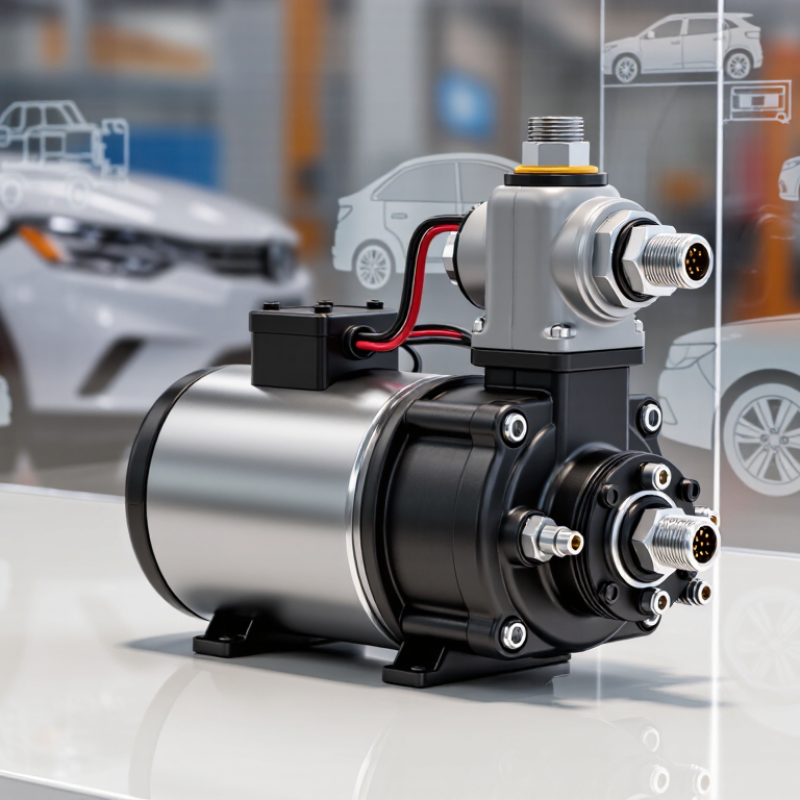
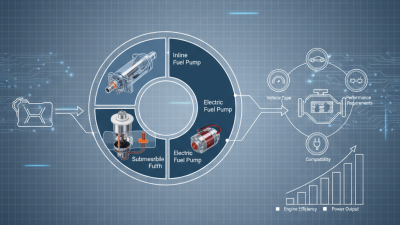
Fuel Pump selection starts with the fuel system, not the vehicle label. A low-pressure electric pump moves fuel from the tank. A mechanical pump suits older, simpler engines. Modern gasoline direct-injection systems need a high-pressure pump near the engine. Diesel common-rail systems use transfer and high-pressure pumps. Their pressure, filtration, and heat limits differ sharply. Check flow rate, pressure range, voltage, fuel chemistry, and duty cycle.

The IEA’s Global EV Outlook 2025 reports more than 17 million electric cars were sold in 2024. This shift reduces some future demand for engine-mounted pumps. However, combustion engines still serve trucks, generators, farming equipment, and marine machinery. The U.S. Energy Information Administration’s International Energy Outlook 2023 also identifies liquid fuels as a major transport energy source through 2050. Demand is changing, not disappearing.

Industrial buyers need a different approach. A Fuel Oil Pump meters heavier fuel for boilers, burners, backup generators, and some marine systems. Viscosity, inlet temperature, seal material, and contamination control become critical. A pump that works well with gasoline may fail quickly with thicker fuel. It can look suitable on paper. It may not survive a cold morning. I would request test data, installation limits, and spare-part guidance before approving a purchase. One overlooked filter can reduce flow, increase noise, and damage the pump.

Matching Pump Specifications to Your Vehicle or Equipment

Matching Pump Specifications to Your Vehicle or Equipment

A Fuel Pump is not a universal spare part. Match its voltage, pressure, flow rate, connector, and mounting depth to the vehicle or equipment. A 12-volt pump may still fail when its pressure curve does not suit the engine. Check the service manual and the original pump label before ordering. Measure the tank opening, outlet position, and electrical terminal spacing. Small differences matter.

S&P Global Mobility reported that the average light vehicle age in the United States reached about 12.6 years in 2024. Older vehicles may have altered wiring, restricted fuel lines, or worn relay contacts. Inspect these areas before blaming the replacement pump. Confirm whether the system uses gasoline, diesel, ethanol blends, or another approved fuel. Never treat Pump Oil as a substitute for engine oil or fuel-system lubricant unless the equipment manual specifically requires it. That mistake can damage seals and reduce pump life.

For commercial equipment, compare continuous flow with peak demand. A pump rated only at free flow may deliver much less under operating pressure. The U.S. Department of Energy’s Alternative Fuels Data Center provides fuel-system and vehicle specification references useful for cross-checking requirements. I have seen buyers choose by appearance alone. It is tempting, but unreliable. Record the part dimensions, pressure test results, and connector type before purchase. Recheck everything.

10 Fuel Pump Buying Tips for Global Buyers

Matching pump specifications to the vehicle or equipment starts with confirming the fuel-system type and its required operating pressure. The chart shows representative pressure ranges commonly found in different fuel systems; always verify the exact pressure, flow rate, voltage, connector, and fuel compatibility against the equipment manufacturer’s specification.

Key buying point: A pump with insufficient pressure or flow can cause hard starting, power loss, or engine damage, while excessive pressure may damage injectors or regulators.

Checking Fuel Compatibility, Flow Rate, Pressure, and Power Needs

10 Fuel Pump Buying Tips for Global Buyers

Checking Fuel Compatibility, Flow Rate, Pressure, and Power Needs

A Fuel Pump must match the liquid, not just the vehicle model. Confirm compatibility with gasoline, diesel, or approved ethanol blends. Materials inside the pump should resist swelling, corrosion, and seal damage. Do not confuse a Fuel Pump with anOil Pump. They serve different systems and pressures.

Check the required flow rate under real operating conditions. A pump rated at zero pressure may deliver much less flow when pressure rises. Compare liters per hour at the system’s working pressure. For example, a modified engine may need extra capacity, while a standard engine may suffer from excessive fuel circulation. Too much is not always better.

Pressure must match the engine’s regulator and injector requirements. A mechanical gauge can reveal pressure loss during acceleration. I have seen pumps pass a bench test but struggle after installation because the filter was restricted. That detail is easy to miss.

Power needs also deserve careful attention. Verify voltage, current draw, connector type, and fuse capacity before ordering. A 12-volt pump may not suit a 24-volt electrical system. Check local temperature and altitude conditions, too. Cold starts and thin air can change performance.

Keep the wiring short and properly grounded. Weak connections create heat. Recheck the specifications before purchase. Mistakes happen.

Evaluating Quality, Certifications, and Supplier Reliability

Global buyers should treat Fuel Pump quality as a verification task, not a brochure claim. Check the exact part number, vehicle application, flow rate, pressure range, connector design, and operating temperature. Request material specifications for the housing, impeller, seals, and electrical terminals. A pump that fits physically may still fail electrically.

Supplier reliability needs deeper evidence. Confirm whether the factory holds IATF 16949 or ISO 9001 certification, then verify the certificate’s scope, site address, and expiry date. The ISO Survey 2022 recorded more than 1.26 million valid ISO 9001 certificates worldwide, but certification alone does not guarantee every production batch. Ask for lot traceability, incoming inspection records, endurance-test results, and calibration documents. Independent test reports should identify the tested model, laboratory, method, and date. Missing details matter.

Review packaging before shipment. Terminals should be protected, seals should remain clean, and labels should match the inspection record. Request samples from normal production, not specially prepared units. Clarify warranty limits, claim evidence, response time, spare-part availability, and change-control procedures. The UN Global Compact’s supply-chain guidance stresses traceability and risk-based supplier assessment, which supports checking subcontractors and manufacturing locations. I would also compare failure data across several batches. One successful sample is useful, but it can mislead. A low price may reflect efficient production; it may also hide thinner materials or weaker testing. Ask more questions before placing a large order.

Comparing Total Costs, Warranty Terms, and Replacement Support

Tip 1: Compare the landed cost, not the listing price.

Add unit price, freight, insurance, import duties, taxes, payment fees, and installation labor. AAA’s 2024 Your Driving Costs study estimates maintenance, repair, and tire expenses at 10.13 cents per mile. A low-cost pump may therefore create higher operating costs.

Confirm voltage, connector shape, pressure rating, and tank compatibility. Ask for inspection records and a tested flow-rate report. A pump that fits physically may still cause hard starts, fuel starvation, or inaccurate gauge readings. I have seen buyers overlook connector quality. That mistake is surprisingly expensive.

Tip 2: Read warranty terms line by line.

Check coverage length, labor reimbursement, exclusions, return shipping, testing requirements, and claim deadlines. The U.S. Federal Trade Commission advises consumers to obtain warranty promises in writing. Request a dated warranty document before payment. Also ask whether replacement support includes troubleshooting, technical drawings, and regional stock. A two-year warranty sounds strong, but useless support can delay repairs for weeks.

Tip 3: Calculate replacement risk.

S&P Global Mobility’s 2024 aftermarket analysis shows vehicles are remaining in service longer, increasing demand for dependable replacement parts. Keep the original pump, packaging, invoice, and installation photos. They can support a claim.

My own buying rule is simple, but not perfect: compare three suppliers using the same specification sheet. Delivery estimates can still change at customs. That uncertainty deserves a reserve budget.

Planning Global Shipping, Customs, Installation, and After-Sales Service

10 Fuel Pump Buying Tips for Global Buyers

Planning Global Shipping, Customs, Installation, and After-Sales Service

A Fuel Pump purchase is not complete when the carton leaves the factory. Over 80% of global merchandise trade by volume moves by sea, according to UNCTAD’s 2023 Review of Maritime Transport. Confirm the pump’s voltage, flow rate, port size, seal material, and duty cycle before booking space. AGear Pump may suit steady industrial transfer, but it can fail when viscosity or temperature changes are ignored. I have seen this mistake create expensive delays.

Tips: Ask for a commercial invoice, packing list, certificate of origin, and accurate HS classification. The World Trade Organization estimates that full implementation of its Trade Facilitation Agreement could reduce trade costs by 14.3%. Clear documents help customs officers release cargo faster. Check Incoterms carefully, too. Insurance, import duties, terminal fees, and inland delivery may sit with different parties.

Tips: Prepare installation instructions with wiring diagrams, rotation direction, priming steps, and filter requirements. The World Bank’s 2023 Logistics Performance Index evaluates customs, infrastructure, and shipment reliability across 139 economies. Local service quality still varies widely. Keep spare seals and a tested replacement unit near the operating site. Remote troubleshooting is useful, but not always enough. Record serial numbers and response times in the warranty file. Some assumptions will be wrong; confirm them with a qualified local technician before commissioning.

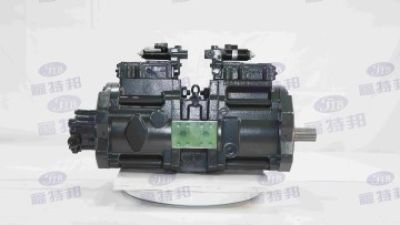
FTB-K3V112DT-1E42 Hydraulic Pump for Volvo EC220D/EC235D: Features and Compatibility

The FTB-K3V112DT-1E42 hydraulic pump is designed for 22–23 tonne crawler excavator platforms identified by the EC220D and EC235D model codes. It is cross-referenced with part number VOE14603650 and uses a variable-displacement axial-piston design to support demanding digging, loading, and grading operations. Its configuration is intended to match the original hydraulic circuit, helping maintain stable flow delivery, responsive control, and consistent working pressure when the machine operates under changing loads.

Industry equipment reports published for 2024 indicate that hydraulic excavators account for more than half of global construction-equipment demand, while replacement-parts studies show hydraulic-system failures are among the most frequent causes of unplanned downtime. These figures highlight the importance of selecting a pump with correct displacement, mounting dimensions, port orientation, and control specifications. For compatible machines, the FTB-K3V112DT-1E42 can provide a practical replacement option when the existing pump shows reduced output, excessive noise, unstable actuator movement, or increased oil temperature.

Before installation, technicians should confirm the identification plate, pump rotation, regulator settings, shaft dimensions, and hydraulic-oil cleanliness. Industry maintenance benchmarks commonly recommend contamination control at or below ISO cleanliness code 18/16/13 for excavator hydraulic circuits, together with filtered oil and correctly torqued fittings. Verifying these details helps reduce premature wear and supports dependable performance in excavation, quarrying, roadwork, and material-handling applications.

FAQS

How do I choose the correct fuel pump for my vehicle or equipment?

Match voltage, pressure, flow rate, connector style, and mounting depth. Check the service manual and original pump label. Small differences matter.

Is a 12-volt pump suitable for every 12-volt system?

No. Its pressure curve and current draw must suit the engine. A 12-volt rating alone proves very little.

What physical measurements should I check before ordering?

Measure the tank opening, outlet position, mounting depth, and terminal spacing. Also compare the connector shape. A small mismatch can prevent installation.

How can I confirm fuel compatibility?

Check whether the pump supports gasoline, diesel, or approved ethanol blends. The internal seals and housing must resist swelling and corrosion. Never guess.

Should I compare flow rate at free flow or operating pressure?

Compare liters per hour at the system’s working pressure. Free-flow figures can look impressive but become much lower under load. That mistake is common.

How can I test pressure problems after installation?

Use a mechanical gauge and observe pressure during acceleration. A restricted filter or fuel line can imitate pump failure. I might blame the pump too quickly.

What electrical details deserve attention?

Verify voltage, current draw, connector type, fuse capacity, and grounding. Weak connections can create heat. Keep wiring short and secure.

How should I evaluate a supplier and product quality?

Request material details, lot traceability, endurance results, and calibration records. Check certification scope, site address, and expiry date. One successful sample can still mislead.

What should I inspect before accepting a shipment?

Check protected terminals, clean seals, matching labels, and intact packaging. Compare the product with the inspection record. Photographs help, though they are not perfect evidence.

Conclusion

Choosing the right Fuel Pump requires more than comparing prices. Global buyers should first identify the pump type and confirm that it suits the intended vehicle, machinery, or industrial application. Key specifications—including fuel compatibility, flow rate, pressure range, voltage, power consumption, and installation dimensions—must match the equipment’s operating requirements. Reviewing material quality, performance testing, applicable certifications, and supplier experience can help reduce compatibility and reliability risks.

A complete purchasing decision should also consider total ownership cost, including shipping, customs, installation, maintenance, and possible replacement parts. Buyers should examine warranty coverage, technical support, delivery capability, and after-sales service before placing an order. Clear communication about packaging, documentation, installation instructions, and service procedures is especially important for international transactions. By evaluating technical fit, product quality, supplier reliability, and long-term support together, buyers can select a dependable Fuel Pump while controlling costs and avoiding preventable purchasing problems.
Isabella

Isabella

Isabella is a skilled marketing professional at Guangzhou FuTeBang Machinery Equipment Co., Ltd., a company that has been a cornerstone in the excavator parts industry for over 15 years. With her extensive experience and deep understanding of the market, Isabella is adept at integrating production,......
Previous How to Choose the Right Hydraulic Kit for Your Equipment?