inquiry
Leave Your Message
0%

In today’s super competitive world, finding good quality Hydraulic Spare Parts is a must for businesses that want to stay ahead. Honestly, understanding how the global supply chain works isn’t always straightforward. You’ve got to juggle different suppliers across various regions to really find options you can trust.

Lots of industries rely heavily on hydraulic systems that need to perform well. So, the quality of those spare parts isn’t just a minor detail—it directly affects how smoothly operations go. Sourcing these parts can sometimes be pretty tricky. If the quality isn't up to par or if they’re not compatible, it could lead to costly downtime. That’s why choosing the right parts isn’t just important, it’s absolutely crucial.

Taking the time to do your homework and do some proper research really pays off in the end. Talking to experts, reading reviews, and getting different opinions can help you make smarter decisions. Sure, sticking to a consistent quality can be challenging, but with patience and some solid partnerships, it’s totally doable—and worth it in the long run.
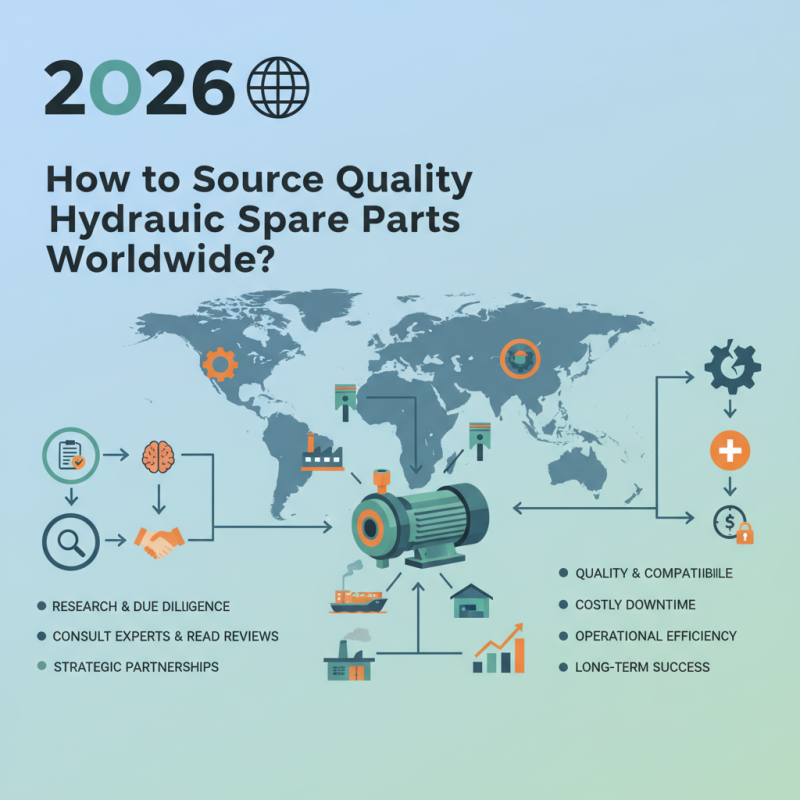
2026 How to Source Quality Hydraulic Spare Parts Worldwide?

Understanding the Global Hydraulic Spare Parts Market Landscape in 2026

The global Hydraulic Spare Parts market in 2026 presents both opportunities and challenges. Many industries rely on hydraulic systems for efficient operations. This includes construction, manufacturing, and agriculture. Understanding regional demands is crucial. Each area may have unique specifications and preferences. Additionally, economic shifts impact availability and pricing.

Sourcing quality Hydraulic Parts requires careful evaluation. Suppliers should demonstrate reliable service and product quality. Researching market reviews helps identify trustworthy partners. A proactive approach can avoid potential pitfalls. It’s essential to establish strong relationships with manufacturers. Trust is a key factor when engaging in international trade.

Emerging technologies also play a significant role in sourcing. Online platforms enhance accessibility but require critical assessment. Not all suppliers meet industry standards. Therefore, verification processes must be rigorous. Engaging with local experts may provide valuable insights into market dynamics. This can help align sourcing strategies to the evolving landscape. Businesses focusing on quality and reliability can thrive amid these complexities.

Key Factors Influencing the Demand for Hydraulic Spare Parts Worldwide

The global market for Hydraulic Spare Parts is influenced by various factors. Understanding these elements is crucial for sourcing quality components. Industries such as construction and manufacturing drive the demand. Their need for machinery reliability cannot be overstated. Without efficient operation, these sectors face significant losses.

Another consideration is technological advancements. Modern hydraulic systems require more specialized components. As equipment ages, the need for replacements increases. This creates opportunities for suppliers. However, sourcing Any Spare Parts can be challenging. Quality assurance is essential, but not all suppliers meet the necessary standards.

Economic conditions also play a role. Fluctuations in currency can affect pricing. Import duties and logistics costs can further complicate sourcing. Reliable suppliers should be able to navigate these issues effectively. Evaluating supplier credibility is vital. Looking for reviews and past performance works well. However, it’s important to remember that no sourcing method is foolproof. Regular assessments can help identify potential risks.

Identifying Reliable Suppliers: Best Practices and Recommendations

When sourcing Hydraulic Spare Parts globally, identifying reliable suppliers is crucial. Begin by assessing their experience in the field. Look for suppliers with a solid track record in providing quality parts. A well-established supplier often has a network of partnerships that ensures better quality control. Engage with suppliers through industry forums. This can help in gauging their reputation among peers.

Tips for Evaluating Suppliers:
Check references from previous clients. A strong portfolio can indicate reliable service. Request samples of the Hydraulic Spare Parts you need. This step is essential to evaluate quality firsthand. Negotiate terms to understand their flexibility. A good partner should be willing to accommodate reasonable requests.

Transparency is vital. Be wary of suppliers who cannot clearly communicate their sourcing methods. It adds uncertainty to the quality of the products. Also, assess the certifications that the suppliers claim to have. Understand what certifications truly mean in the context of Hydraulic Spare Parts. Aim for a relationship built on trust and mutual respect.

Make sure to explore multiple options. Don't settle for the first supplier you find. Consider regional differences in parts availability as this can affect sourcing. Remember, the goal is to source All Spare Parts that meet your standards. Finding reliable suppliers takes time and effort. Reflection on past experiences can guide you in the right direction.

Assessing Quality Standards and Compliance for Hydraulic Components

2026 How to Source Quality Hydraulic Spare Parts Worldwide?

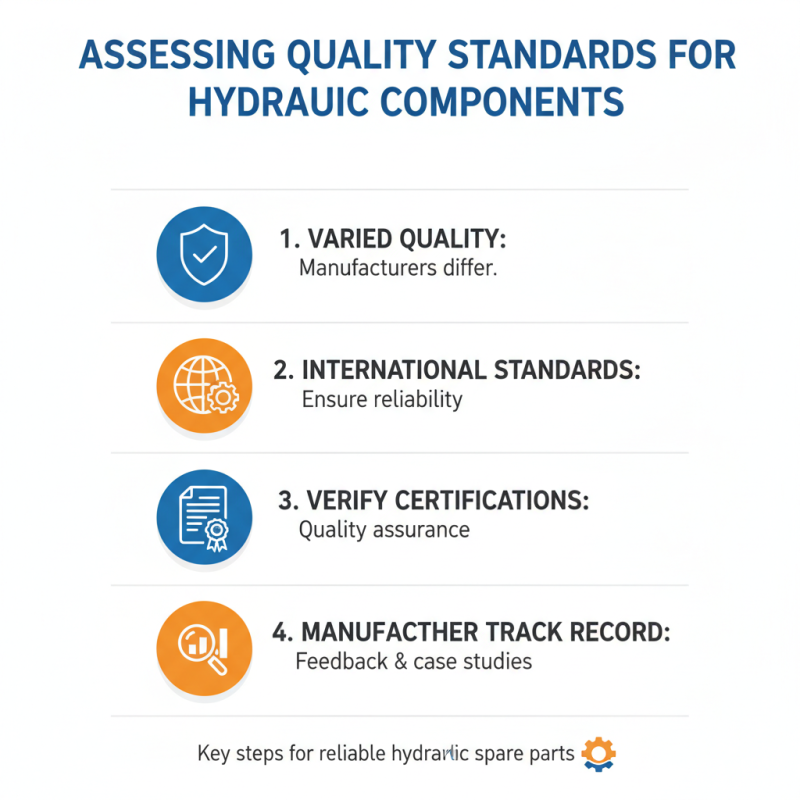
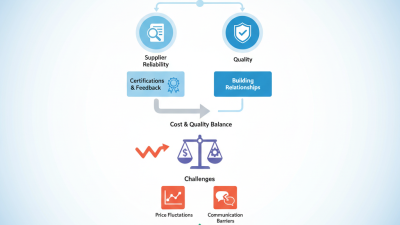
When sourcing Hydraulic Spare Parts, assessing quality standards is crucial. Diverse manufacturers can produce parts with varying levels of quality. Compliance with international standards can help ensure the reliability of these components. Organizations must verify certifications and quality assurance processes. Investigate manufacturers’ track records through customer feedback and case studies.

Not all hydraulic components meet the same standards. The "Spare Parts Case" highlights instances where subpar parts have led to system failures. Suppliers often emphasize cost over quality. This can result in compromised performance and safety. When selecting suppliers, consider their adherence to quality norms. Transparency in production and testing practices is essential. Building relationships with trusted manufacturers can enhance sourcing reliability.

Documentation is vital for tracking compliance. Maintaining logs of inspection results and certifications is necessary for accountability. However, fluctuating industry standards can complicate this process. Organizations must stay informed about changes in regulations. This can be a challenging task, but it is essential for ensuring the integrity of hydraulic systems.

Evaluating Cost-Effectiveness: Budgeting for Spare Parts Procurement

When budgeting for Hydraulic Spare Parts, evaluating cost-effectiveness is crucial. Start by determining your immediate and future needs. Assessing the types of spare parts required helps avoid overstocking. Consider the frequency of replacements and any potential breakdowns. This evaluation can save both time and resources.

Next, research suppliers globally. Establishing connections with manufacturers can lead to better pricing. However, beware of choosing solely based on cost. Quality should remain a priority. Inexpensive parts might lead to higher long-term expenses due to premature failures. Balancing cost and quality requires careful consideration.

Lastly, monitor market trends. Prices can fluctuate with global supply and demand. Regularly reviewing your procurement strategy ensures it aligns with current market conditions. Be open to adjusting your budget as needed. This adaptability can enhance your sourcing strategy over time. Reflecting on past procurement experiences can inform better choices.

2026 Evaluation of Cost-Effectiveness in Sourcing Quality Hydraulic Spare Parts Worldwide

This chart illustrates the cost-effectiveness of sourcing various Hydraulic Spare Parts from different regions. The data shows the average procurement cost and shipping cost associated with sourcing from three major regions: North America, Europe, and Asia.

Leveraging Technology: Digital Tools for Sourcing and Supply Chain Optimization

In the quest for quality Hydraulic Spare Parts, leveraging digital tools can transform sourcing strategies. Advanced technologies, like AI-driven platforms, streamline the identification of reliable suppliers worldwide. These tools analyze data to match specific needs, ensuring accessibility to a diverse range of products. Integrating digital supply chain solutions can optimize inventory management. Real-time tracking of shipments enhances visibility, enabling informed decisions.

However, relying solely on digital tools has limitations. Not all suppliers may have robust online presences. Navigating regulatory differences across regions can be complex. For instance, understanding specific quality standards for hydraulic parts can be challenging. It’s vital to maintain a balance between technology and traditional supplier relationships. Engaging directly with manufacturers provides insights that digital platforms may overlook. This blend fosters a more reliable sourcing process.

Exploring digital tools for part sourcing is an evolving journey. Companies must continuously assess their strategies and adapt to market changes. Embracing both technology and human expertise will lead to better outcomes in sourcing hydraulic spare parts. It’s a learning process that requires constant reflection and adaptation.

Navigating Trade Regulations and Import Challenges in Global Sourcing

Navigating trade regulations and import challenges can be daunting when sourcing quality hydraulic spare parts globally. Each region has distinct rules. Understanding these regulations is crucial for smooth transactions. In fact, a report from the World Trade Organization indicates that over 30% of global trade is affected by complex customs procedures. This complexity can lead to costly delays.

Shipping Heavy Spare Parts often involves substantial compliance hurdles. Import duties can vary significantly, impacting overall costs. For instance, an analysis by the International Monetary Fund shows that high tariffs can increase import prices by up to 25%. This can often deter small businesses from effectively participating in global sourcing efforts.

Additionally, the logistics of moving heavy spare parts can introduce uncertainties. Documents needed for customs clearance can be extensive. Errors in paperwork can lead to further complications. Companies need a reliable partner who can help navigate these challenges effectively. Always stay updated on the latest regulations in your target markets to avoid unexpected complications. This focus can be a determining factor for success in sourcing hydraulic spare parts.

Innovative Applications and Benefits of the FTB-A10VD43 Hydraulic Rotary Group-1 in Modern Engineering Solutions

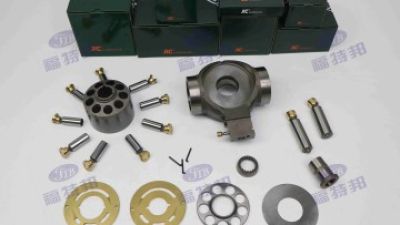
The FTB-A10VD43 Hydraulic Rotary Group-1 is setting a new standard in modern engineering solutions through its innovative applications and significant benefits in various industrial fields. With the increasing demand for efficient hydraulic systems, the integration of advanced rotary groups in machinery has become essential. These components enhance the overall performance of hydraulic systems in applications such as excavators, cranes, and other heavy machinery, leading to improved operational efficiency and reduced downtime.

Recent industry reports highlight that the global hydraulic components market is expected to reach $50 billion by 2025, driven by the expanding construction and manufacturing sectors. The FTB-A10VD43 is designed to meet this demand by providing comprehensive features tailored for robust performance. Its seamless compatibility with a wide range of models ensures that industries can benefit from a one-stop solution for their hydraulic needs. The competitive pricing and factory direct sales enhance its accessibility, making it a preferred choice among manufacturers seeking reliable solutions.

Moreover, the reliability of hydraulic rotary groups is underscored by their critical role in minimizing wear and tear, thereby extending the lifespan of equipment. The FTB-A10VD43 not only meets diverse operational requirements but also comes with a warranty that assures quality and durability. Enhancing the hydraulic efficiency of machinery, this innovative product ultimately leads to increased productivity and cost savings, solidifying its status as a game-changer in modern engineering applications.

FAQS

: What factors drive the demand for hydraulic spare parts?

: Industries like construction and manufacturing significantly influence the demand due to their need for reliable machinery.

How do technological advancements affect hydraulic spare parts sourcing?

Modern systems require specialized components. As equipment ages, the demand for replacements grows.

Why is quality assurance important when sourcing spare parts?

Not all suppliers meet quality standards. Sourcing low-quality parts can lead to severe operational problems.

What role do economic conditions play in sourcing hydraulic parts?

Currency fluctuations and logistics costs can affect pricing. Reliable suppliers must handle these complications.

How can manufacturers ensure compliance with quality standards?

They should verify certifications and seek feedback through customer reviews and case studies.

What should organizations do to track compliance effectively?

Documentation of inspections and certifications is vital for maintaining accountability in sourcing.

Why is it risky to prioritize cost over quality?

Compromising on quality can lead to system failures and safety issues in hydraulic components.

How can companies assess supplier credibility?

Evaluating reviews and past performance can help determine a supplier’s reliability.

What are the challenges in maintaining quality standards?

Industry standards often fluctuate, making it tough for organizations to stay updated and compliant.

What is essential for building reliable supplier relationships?

Transparency in production and testing practices is key to enhancing sourcing reliability.

Conclusion

In 2026, the landscape of the global hydraulic spare parts market is shaped by various key factors influencing demand, including technological advancements and industry trends. Understanding these elements is crucial for sourcing high-quality hydraulic spare parts effectively. Reliable suppliers can be identified through best practices and thorough evaluation of quality standards and compliance to ensure that components meet necessary requirements.

Furthermore, assessing cost-effectiveness in budgeting for spare parts procurement remains essential. Leveraging digital tools can optimize the sourcing process and enhance supply chain efficiency. However, navigating trade regulations and potential import challenges presents additional complexities in global sourcing, making it imperative for businesses to stay informed and adaptable in this dynamic market.
Isabella

Isabella

Isabella is a skilled marketing professional at Guangzhou FuTeBang Machinery Equipment Co., Ltd., a company that has been a cornerstone in the excavator parts industry for over 15 years. With her extensive experience and deep understanding of the market, Isabella is adept at integrating production,......
Previous How to Choose the Right Pilot Valve for Your Needs?
Next How to Choose the Right Hydraulic Kit for Your Project?