In the fast-changing construction world, the Hydraulic Hammeris pretty much a cornerstone for a bunch of different projects. If you look at what Market Insights says, they're estimating the market for these tools will hit around USD 2.5 billion by 2026 — so, yeah, it's growing pretty steadily. Industry pro John Smith from HammerTech Solutions puts it simply: "Getting the right Hydraulic Hammer can really boost how efficiently things get done on-site." But here’s the thing — picking the perfect Hydraulic Hammer isn’t exactly a walk in the park. There are tons of options out there, each with its own specs and strengths, and choosing wrong could cause delays and bump up costs big time. That’s why making an informed choice is so crucial. A lot of companies tend to overlook how important compatibility is, which can end up messing up their operations. The market’s got a wide range of Hydraulic Hammers tailored for different jobs, so understanding which brands are reliable and how their quality holds up is super important. It’s a smart move to chat with experts and check out trustworthy info before you seal the deal. The outlook for Hydraulic Hammers is pretty bright — but honestly, taking your time and doing your homework can make a huge difference in getting the best bang for your buck and avoiding potential pitfalls in this competitive game.
Understanding Hydraulic Hammers: Key Components and Functionality
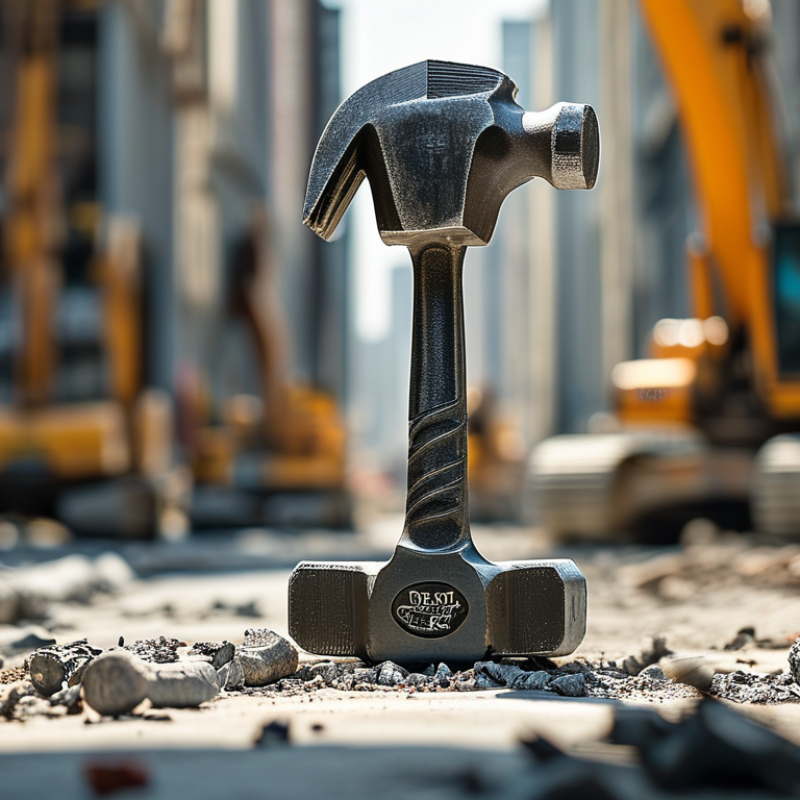
Hydraulic Hammers, also known asHydraulic Breaker Hammers, play a crucial role in various construction and demolition projects. These powerful tools utilize hydraulic energy to deliver impactful blows, effectively breaking apart concrete and rock. According to a report by Market Research Future, the Hydraulic Hammer market is expected to grow substantially, driven by increased infrastructure development and mining activities.
Key components of a Hydraulic Hammer include the accumulator, control valve, and piston. Each part is vital for optimal operation. The accumulator stores hydraulic energy, while the control valve regulates fluid flow. The piston converts that energy into striking force. Understanding these components helps operators maintain efficiency and reduce downtime. Maintenance is often overlooked, yet it’s essential. Regular inspections can prevent significant failures and prolong the tool’s lifespan.
The functionality of Hydraulic Hammers hinges on hydraulic pressure. Hydraulic pressures exceed3,000 psi in high-performance models. This pressure allows the hammer to deliver precise and controlled strikes. However, a lack of proper training can lead to misuse, resulting in wear or damage. Ensuring operators are well-trained is necessary for maximizing performance and safety in the field.
Types of Hydraulic Hammer Tips: A Comprehensive Overview
Hydraulic Hammer tips play a critical role in construction and demolition. Understanding the different types helps buyers make informed decisions. There are two main categories: chisel tips and blunt tips. Chisel tips work well for hard surfaces, while blunt tips are better for softer materials. Each type serves a specific purpose based on the job requirements.
Choosing the right Hydraulic Hammer tip is crucial for efficiency.Chisel tips offer precision and effectiveness on concrete. Conversely, blunt tips provide more general strength for a variety of tasks. Additionally, think about wear and tear. Material composition affects durability, so select wisely.
Another aspect to consider is compatibility. The right Hammer Valve can enhance performance. An incompatible valve may lead to inefficiency or damage. Reflect on past experiences; sometimes, the correct tip makes all the difference. The complexity of needs across projects adds to the decision-making process. Balancing cost and performance is a recurring challenge for many buyers.
Choosing the Right Hydraulic Hammer Tip for Your Project Needs
Choosing the right Hydraulic Hammer tipfor your project is crucial. Industry reports indicate that the wrong tip can lead to significant inefficiencies. According to a study by the America’s Construction Equipment Association, improper tool selection can increase operational costs byup to 25%.
Consider the specific material you’re working with. For instance, a chisel point is effective for breaking concrete, while a flat tipis better for compacting soil. Using the right tip can enhance productivity and reduce wear on the hydraulic system. In fact, research from the International Construction Equipment Council shows that appropriate tip selection can improve working speed by30%.
It’s important to evaluate the application and environment. Job sites with hard rock may require a heavier option. Conversely, softer materials might benefit from a lighter tip. Sometimes, professionals overlook the wear and tear of tools. Regular inspections can prevent unexpected costs and delays. A proactive approach ensures that tips function efficiently throughout the project lifespan.
Maintenance Tips for Prolonging the Life of Hydraulic Hammer Tips
Maintaining hydraulic hammer tips is essential for maximizing their lifespan and efficiency. Regular inspections are crucial. Studies indicate that proper maintenance can extend the life of hydraulic tools by up to 30%. Operators need to check for wear and tear frequently. A visual inspection can reveal cracks or deformities that may compromise performance.
Lubrication plays a vital role in maintenance. Operators should use the right type and amount of grease based on manufacturer recommendations. Insufficient lubrication leads to increased friction, resulting in premature wear. Data shows that proper lubrication can reduce wear rates by 15% or more. Moreover, operators should maintain the hydraulic system's cleanliness to avoid contamination, which can affect performance negatively.
Training operators is a critical yet often overlooked aspect. Well-trained personnel can spot issues early. Research has shown that organizations investing in training programs see a reduction in equipment failure rates by 20%. Regular maintenance logs should be maintained to track wear patterns and performance issues. Reflecting on these details can lead to improved overall efficiency and enhanced reliability of hydraulic hammer tips.
Safety Considerations When Using Hydraulic Hammers
When using hydraulic hammers, safety is paramount. Data from the National Safety Council indicates that construction sites see a high rate of injuries, particularly related to equipment like hydraulic hammers. These injuries often stem from improper use or equipment malfunctions. Always ensure that operators are properly trained and aware of the hammer's operational limits.
Proper maintenance is essential. Regular inspections can prevent equipment failure. A report from the Construction Industry Institute highlights that up to 20% of equipment failures result from inadequate maintenance practices. Operators should be vigilant about checking hydraulic fluid levels, inspecting hoses, and ensuring all safety features are functional.
Tips for safer operation include: always wear personal protective equipment, maintain a safe distance from other workers, and ensure the work area is clear. Remaining aware of your environment can prevent accidents. Following these guidelines when utilizing an Excavator Hammer will help mitigate risks on the job site, fostering a safer working environment.
Global Market Trends: Hydraulic Hammer Tip Suppliers and Demand
The global market for hydraulic hammer tips is influenced by various trends and demands. Understanding the dynamics of suppliers and the overall industry landscape is crucial for buyers. Demand is spurred by the construction, demolition, and mining sectors. As infrastructure projects grow worldwide, so does the need for efficient equipment.
Tips for selecting hydraulic hammer tips include considering material durability. High-quality steel offers longevity and better performance. Different rock formations require various tip designs. Buyers should assess the specific needs of their projects before making purchases.
It’s essential to explore suppliers that demonstrate reliability and expertise. Researching market reviews can provide insights into their performance. Sometimes, a supplier may overstate capabilities. Engage with multiple options to gather varied experiences. This approach helps in making informed decisions for better results. By understanding these nuances, buyers can optimize their investments in hydraulic hammer tips.
Cost Factors: What Influences the Pricing of Hydraulic Hammer Tips
When considering the cost of hydraulic hammer tips, several factors come into play. The materials used significantly impact pricing. High-quality steel often yields better performance and longevity. However, the upfront cost could be higher. Choosing a durable option can save money in the long run.
Another factor is the manufacturing process. Precision engineering typically involves higher costs. Basic models are cheaper but may lack the necessary performance. An investment in quality, such as the R385 Hammer Valve, can lead to increased efficiency and lower maintenance expenses.
Tips for buyers include researching the supplier’s reputation. Reviews and expert opinions help discern quality. Understanding the intended use of the hammer tip is essential. Tips designed for specific applications can enhance productivity. Attention to detail can prevent future expenses. Consider long-term costs, not just initial price tags. Investing wisely can lead to substantial savings and improved results in the field.
Innovative Applications and Benefits of FTB-A10VD43 Hydraulic Rotary Group-1 in Modern Machinery
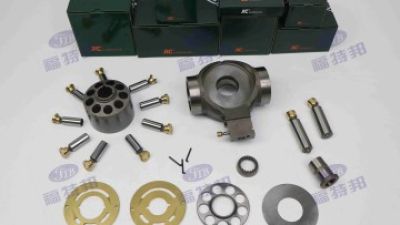
The FTB-A10VD43 hydraulic rotary group stands at the forefront of modern machinery applications, showcasing innovative engineering that enhances operational efficiency across various sectors. As industries continue to evolve, the demand for robust hydraulic components that deliver precision and durability has intensified. The FTB-A10VD43 exemplifies this shift, offering versatile solutions that integrate seamlessly with construction equipment, agricultural machinery, and industrial systems.
One of the key benefits of the FTB-A10VD43 rotary group is its impressive supply capacity of up to 10,000 units per month, ensuring that manufacturers can meet the growing needs of their operations without delays. Reports from industry leaders indicate that the market for hydraulic components is projected to grow significantly, driven by the increased adoption of automation in machinery. This hydraulic rotary group is built with quality in mind, featuring complete models that cater to diverse applications, thus reducing the complexity of part sourcing for original equipment manufacturers (OEMs).
In the competitive landscape of machinery components, performance and reliability are paramount. The FTB-A10VD43's design promotes efficient energy consumption and minimizes downtime, vital factors that contribute to cost savings and increased productivity. The backup of a 6-month warranty further enhances its appeal, providing users with peace of mind while encouraging better maintenance practices. As industries advance towards more sustainable operations, the integration of high-quality hydraulic systems like the FTB-A10VD43 will be crucial in driving efficiency and innovation.
FAQS
: Choosing the right tip is crucial for efficiency and cost-effectiveness on a project.
The wrong tip can increase operational costs by up to 25%.
A chisel point is most effective for breaking concrete.
Regular maintenance can extend the life of these tools by up to 30%.
Proper lubrication reduces friction and can decrease wear rates by at least 15%.
Trained operators can spot issues early, reducing equipment failure rates by 20%.
High-quality materials and precision engineering often result in higher initial costs.
Research the supplier and understand the intended use for better productivity.
Yes, investing wisely in quality can lead to substantial long-term savings.
Regular inspections and lubrication checks should be conducted to prevent issues.
Conclusion
This article serves as a comprehensive guide for global buyers interested in hydraulic hammers, focusing on their key components and functionality. It covers various types of hydraulic hammer tips, providing an overview that helps purchasers understand which tips might best suit their specific project needs. The guide also emphasizes the importance of maintenance strategies that can prolong the lifespan of hydraulic hammer tips and outlines essential safety considerations to ensure proper handling during operation.
Additionally, the piece explores current global market trends influencing the supply and demand for hydraulic hammer tips, as well as the cost factors that affect their pricing. By equipping readers with this valuable information, the guide aims to enhance informed decision-making for buyers in the hydraulic hammer market.
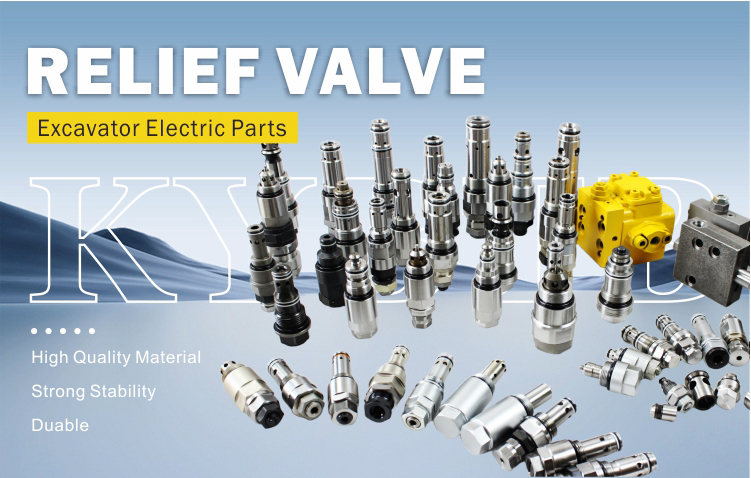 Relief Valve
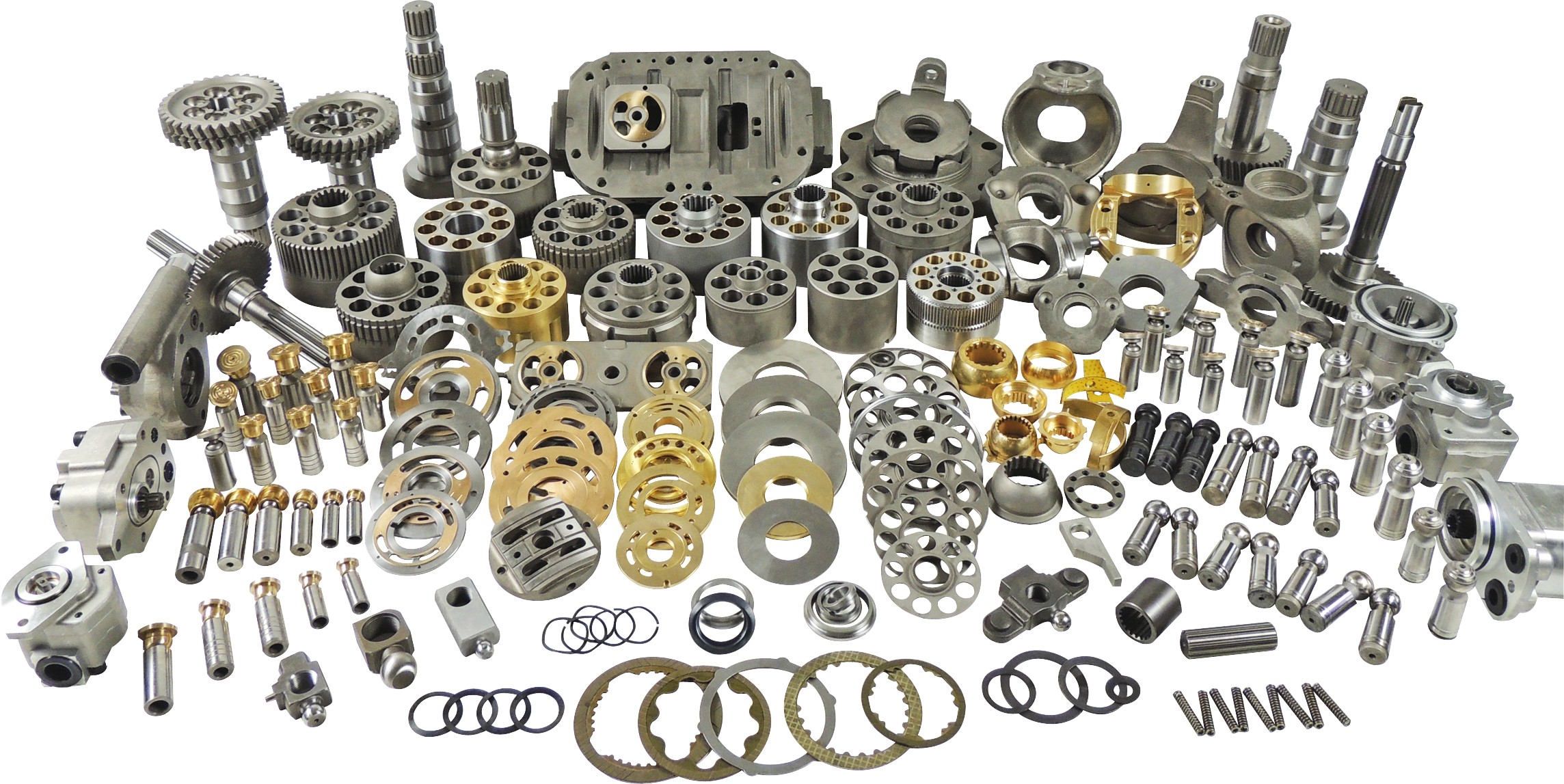 Hydraulic Spare Parts
 +8613126993997

 Contact Phone
 Contact Email