+8613126993997 


In the fast-changing world of fluid control systems, you really can't underestimate how important Retaining Valves are. As Dr. Emily Carter from FluidTech Solutions puts it, “The success of any fluid system totally depends on how reliable and precise its components are — and Retaining Valves are a big part of that.” They do more than just stop backflow; they keep the flow steady and controlled, which is super important in all kinds of industries — from manufacturing to irrigation and beyond.
As industries keep evolving and pushing forward, there’s a growing need for dependable and efficient fluid management solutions. Adding high-quality Retaining Valves to your system can really boost how well everything runs and help avoid issues tied to fluid movement. Companies that focus on using these key components often stay ahead of the game, enjoying less downtime and better overall system performance. So, getting a good grip on how essential Retaining Valves are? It’s pretty crucial if you’re aiming for top-tier operations in fluid control.
Retaining Valvesplay a critical role in the efficient operation of fluid control systems by preventing backflow, which can lead to contamination and equipment damage. Among various types of Retaining Valves,swing Check Valves are particularly suitable for applications in challenging environments, such as nuclear power plants. These valves are designed to allow flow in one direction while automatically closing when flow reverses, thereby safeguarding the system against detrimental backflow.
In addition to swing Check Valves, the performance of other valve types, such asgate valves and nozzlE Check Valves, is also essential in managing fluid dynamics within pipelines. For instance, sectionalized gate valves can minimize the impact of potential pipeline failures by controlling the volume of fluid released, thereby enhancing safety. Meanwhile, nozzle check valves are investigated for their hydraulic losses to ensure safe operational parameters in industrial piping systems. By utilizing the right combination of retaining valves, facilities can maintain efficient operations while adhering to safety standards in fluid handling.
Retaining valves play a critical role in maintaining pressure within fluid control systems, ensuring that the system operates efficiently and effectively. By preventing backflow, these valves help maintain a steady pressure, which is essential for the performance of various industrial processes. When used strategically, retaining valves can enhance safety, reduce the risk of equipment damage, and ensure optimal flow rates.
Tips for Using Retaining Valves:
When installing retaining valves, consider the specific requirements of your system. Ensure that the valve is rated for the correct pressure range and is compatible with the fluids being used. Regular maintenance checks are also critical; inspecting the valves periodically can help identify any wear or malfunction before it impacts system performance. Additionally, consider the placement of retaining valves within the system design to maximize their effectiveness for pressure maintenance.
Incorporating retaining valves not only improves system reliability but also contributes to energy savings. By ensuring consistent pressure, these valves can reduce the workload on pumps and other components, leading to lower operational costs. This proactive approach to fluid control will ultimately enhance productivity and extend the lifespan of your equipment.
Retaining valves play a crucial role in optimizing the efficiency and performance of fluid control systems. By preventing backflow, these valves ensure that fluid flows in a single, predetermined direction, reducing the risk of contamination and system malfunctions. When fluid is allowed to flow backward, it can lead to a variety of issues, such as pressure loss and system inefficiency, ultimately causing delays and increasing operational costs. By maintaining a consistent flow direction, retaining valves contribute significantly to the reliability of the entire system.
Moreover, retaining valves enhance system performance by allowing for precise control of fluid dynamics. In various applications, including heating, cooling, and hydraulic systems, the correct functioning of these valves helps maintain optimal pressure levels and flow rates. This precision not only improves the overall efficiency of the system but also extends the lifespan of other components by reducing wear and tear. Therefore, incorporating retaining valves into fluid control systems is essential for achieving peak operational performance and ensuring long-term durability.
This chart illustrates the efficiency improvements in fluid control systems with the use of retaining valves across various operational parameters such as pressure stability, flow rate consistency, and system response time.
When selecting retaining valves for your fluid control systems, it is crucial to consider several factors that can significantly influence performance and efficiency. One essential aspect is the valve's material composition, as it must withstand the specific chemical properties of the fluids it will handle. According to a study published by the Fluid Power Journal, approximately 30% of valve failures can be traced back to inappropriate material selection, leading to costly downtime and repairs.
Another key factor is the valve size and flow rate compatibility with your system. Proper sizing ensures that the valve can regulate fluid flow effectively without causing pressure surges or turbulence. The American Society of Mechanical Engineers (ASME) recommends that flow rates be evaluated against the valve's rating to optimize system performance and reliability.
Tips: Always consult with your valve supplier to understand the specific requirements of your application, ensuring the retaining valve is rated for the maximum pressure and temperature expected in your system. Additionally, consider the maintenance requirements of the valve to ensure ease of access and proper servicing, enhancing the longevity and efficiency of your fluid control setup.
Retaining valves are integral components in fluid control systems across various industries, ensuring optimal efficiency and preventing backflow. In the water treatment industry, these valves are crucial for maintaining the flow direction of water while preventing contamination. By stopping the reverse flow of treated water, they protect the integrity of the treatment process and ensure that clean water is delivered to consumers without the risk of contamination from the distribution lines.
In the oil and gas sector, retaining valves play a pivotal role in managing the flow of crude oil and natural gas. Their application in pipelines helps safeguard against the backflow of hydrocarbons, which could lead to hazardous situations and environmental risks. Similarly, in manufacturing, these valves are employed in fluid power systems to maintain consistent pressure and flow rates, enhancing the overall performance of machinery. By minimizing leaks and facilitating more reliable operations, retaining valves contribute significantly to the efficiency and safety of industrial processes.
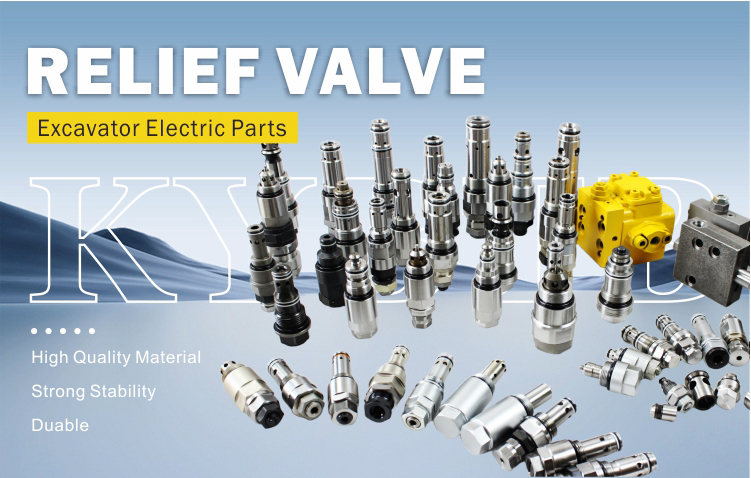
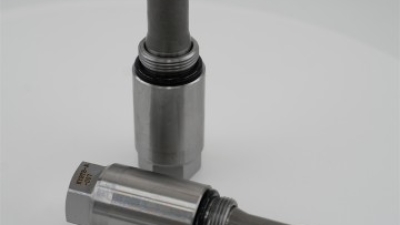
When it comes to selecting the right suction and safety valve for your Komatsu PC60 excavator, the FTB-723-20-60101 model stands out as a reliable choice. With a focus on quality and performance, this valve is specifically designed to meet the machinery's operational demands. The FTB-KIYAB brand ensures that you receive a product that is manufactured with precision in China, catering to excavator professionals looking for trustworthy components. Not only does this model guarantee excellent functionality, but it also supports a one-stop purchasing experience for excavator parts.
Professional reports indicate that using high-quality valves can significantly enhance the longevity and efficiency of heavy machinery. For instance, proper suction and safety valves can reduce the risk of hydraulic failures, which accounts for a considerable percentage of excavator downtime. With a supply capacity of 10,000 units per month, the availability of the FTB-723-20-60101 ensures that you won’t face protracted waiting times for essential replacements. Furthermore, this product comes with a six-month warranty, providing peace of mind and confidence in your investment.
In addition, this valve features a competitive pricing structure due to factory direct sales, allowing customers to benefit from more favorable pricing without compromising quality. Coupled with exceptional after-sales service, selecting the FTB-723-20-60101 valve not only streamlines your purchasing process but also reinforces the operational efficiency of your Komatsu PC60 excavator, ensuring that you can rely on your equipment to perform optimally in demanding work environments.
: Retaining valves primarily prevent backflow, which helps maintain steady pressure within fluid control systems, ensuring efficient and effective operation.
By preventing backflow, retaining valves enhance safety, reduce the risk of equipment damage, and ensure optimal flow rates, thus contributing to overall system reliability.
When installing retaining valves, it is important to ensure that the valve is rated for the correct pressure range, is compatible with the fluids used, and is strategically placed within the system design.
Regular maintenance checks are crucial as they help identify any wear or malfunction before it impacts system performance, ensuring that the valves operate effectively.
By maintaining consistent pressure, retaining valves reduce the workload on pumps and other components, leading to lower operational costs and energy savings.
Retaining valves optimize the efficiency of systems by allowing fluid to flow in a single direction, reducing the risk of contamination, pressure loss, and system malfunctions.
Retaining valves are used in various industries, including water treatment to prevent contamination, oil and gas to manage hydrocarbon flow, and manufacturing to maintain consistent pressure in fluid power systems.
By maintaining optimal pressure levels and reducing wear and tear, retaining valves contribute to the longevity of other components in the fluid control system.
In water treatment, retaining valves help maintain the flow direction of water, preventing reverse flow and contamination, ensuring the delivery of clean water to consumers.
Incorporating retaining valves enhances productivity by ensuring reliable operations, minimizing leaks, and keeping systems running efficiently, which ultimately extends the lifespan of equipment.
Retaining valves play a crucial role in fluid control systems by preventing backflow, which can lead to significant operational inefficiencies. They not only help in maintaining consistent pressure levels but also enhance overall system efficiency and performance. When selecting retaining valves, it is essential to consider factors such as compatibility with the fluid type, pressure ratings, and specific application requirements.
In various industries, retaining valves are commonly utilized to ensure smooth operation in systems ranging from hydraulic machinery to water treatment processes. With over 15 years of experience in the excavator parts industry, Guangzhou FuTeBang Machinery Equipment Co., Ltd. understands the importance of high-quality retaining valves in maintaining optimal performance and longevity of fluid systems. By integrating production, R&D, and sales, the company is well-equipped to provide effective solutions tailored to meet diverse client needs.