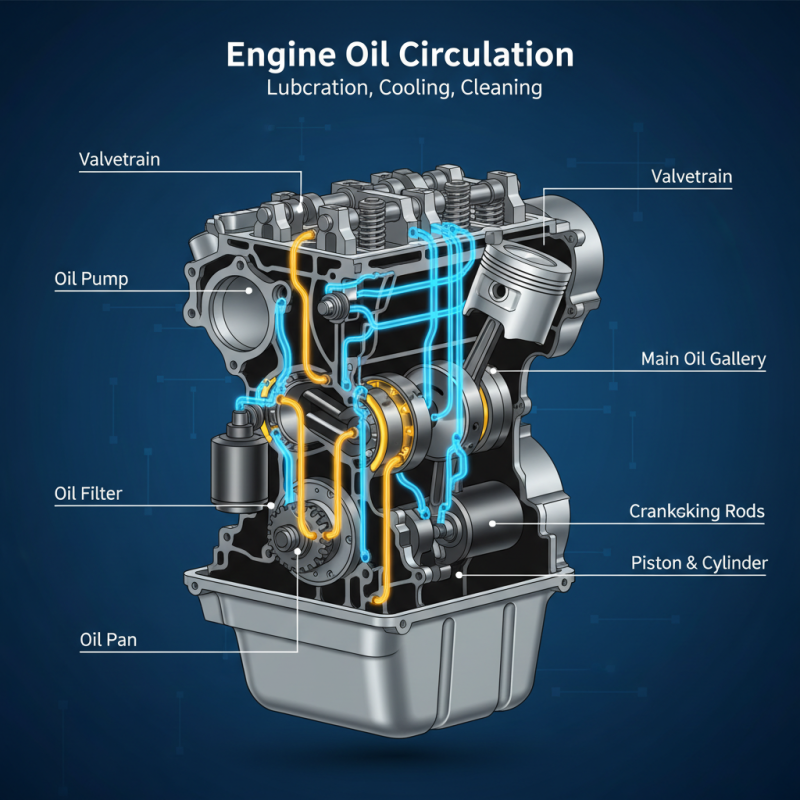
When it comes to keeping your vehicle running smoothly, picking the right Oil Pump Kit is really important. I recently came across a report from the Automotive Oil Pump Manufacturers Association (AOPMA), and it highlights how crucial the oil pump is — it’s basically the heart of your engine’s lubrication and cooling system. A good oil pump can make a real difference, helping your engine stay healthy and last longer. If you get a quality Oil Pump Kit, not only can you boost your engine’s efficiency, but you also decrease the chances of major problems down the line — which, let’s be honest, worries all of us car owners. Industry expert Dr. Michael Turner puts it nicely, saying, “Investing in a good Oil Pump Kit isn’t just about reliability; it’s about keeping your engine performing at its best.”
Now, I know, with so many options out there, it can be pretty overwhelming to figure out which one’s right for your ride. Did you know that up to 30% of engine failures are actually linked to oil pressure issues? That just goes to show how vital a dependable oil pump really is. It’s so important for vehicle owners to understand what specs to look for and how compatible a kit is with their specific engine. And honestly, choosing quality over just the cheapest option can save you in the long run. Think of a solid oil pump as an investment in your car’s health. In this guide, I’ll walk you through some key tips to help you pick the perfect Oil Pump Kit — giving you all the info you need to make a smart choice that keeps your engine safe and running smoothly for miles to come.
Importance of an Oil Pump Kit for Vehicle Performance
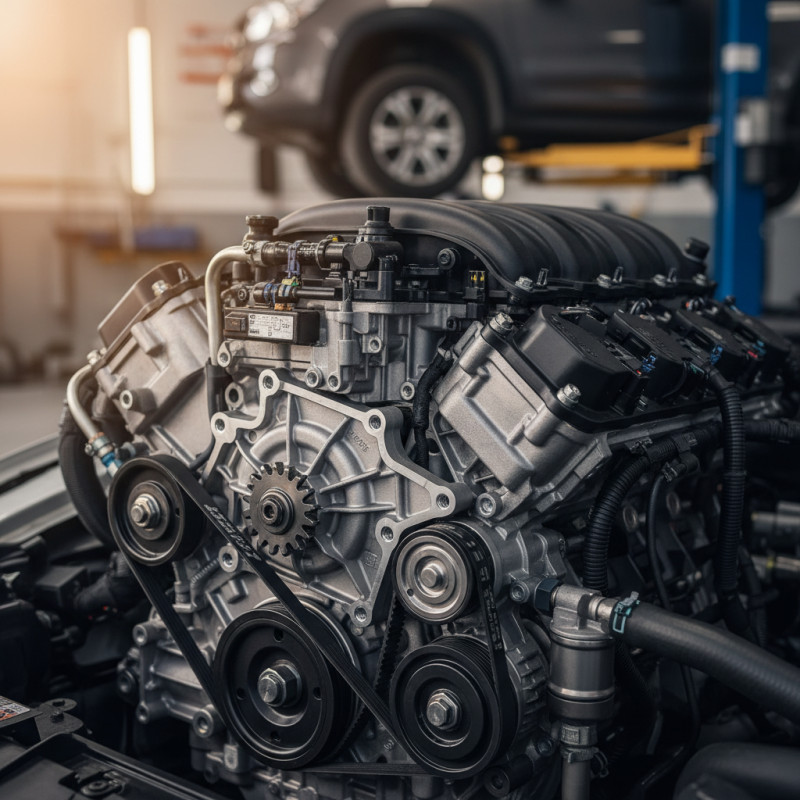
The Oil Pump Kit plays a critical rolein the overall performance and longevity of your vehicle. An efficient Oil Pump ensures that oil circulates properly throughout the engine, which is essential for lubricating moving parts, reducing friction, and preventing overheating. When the Oil Pump functions optimally, it maintains the vehicle’s oil pressure, allowing for smooth engine operation and enhancing fuel efficiency.Neglecting the importance of a quality Oil Pump Kit can lead to significant engine damage and costly repairs.
When choosing an Oil Pump kit, consider the following tips to ensure you make the right choice. First, assess your vehicle's specifications and requirements, asnot all kits are suitable for every model. Look for kits that offer compatibility with your engine type to ensure proper performance. Second, consider the material and design of the oil pump. High-quality materials and innovative engineering can provide better durability and efficiency, thereby increasing your engine's lifespan.
Lastly, read reviews and gather recommendations to identify reliable suppliers. Knowledgeable suppliers can provide valuable insights that help you select the most appropriate kit for your vehicle’s needs. By focusing on these tips, you'll be better equipped to choose an oil pump kit that not only meets the specifications of your vehicle but also enhances its performance for the long run.
Types of Oil Pump Kits Available on the Market
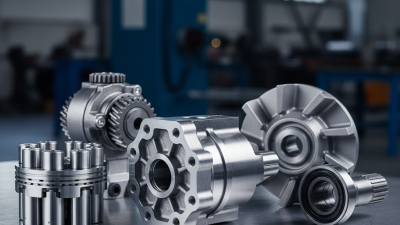
When it comes to selecting an oil pump kit for your vehicle, understanding the various types available on the market is crucial. Oil pump kits generally fall into several categories based on their design and functionality. The most common types include gear pumps, diaphragm pumps, and rotary-vane pumps. Gear pumps are favored for their simplicity and reliability, making them suitable for a wide range of applications, from light-duty vehicles to heavy machinery. Their design ensures consistent oil flow, which is essential for engine lubrication.
Diaphragm pumps, on the other hand, are known for their ability to maintain pressure in fluctuating conditions. They are often used in systems where precise oil delivery is needed, such as in high-performance vehicles. These pumps excel in delivering oil steadily, which is vital for high-revving engines or those operating in extreme conditions. Lastly, rotary-vane pumps are characterized by their compact design and effective operation. They provide excellent oil transfer efficiency, which can be advantageous for applications requiring a compact footprint without sacrificing performance.
Each type of oil pump kit offers distinct advantages, making it important to assess your vehicle's specific requirements before making a decision. Factors such as engine design, oil viscosity, and operating conditions should influence your choice to ensure optimal performance and longevity of your engine.
Factors to Consider When Choosing an Oil Pump Kit
When selecting an oil pump kit for your vehicle, several critical factors must be considered to ensure optimal performance and reliability. First, it is essential to assess the specifications of your vehicle's engine, including its size and type. According to the Automotive Oil Pump Market Report, approximately 60% of oil pump failures are linked to mismatches between the pump and engine specifications. Thus, understanding the exact requirements of your engine is crucial to prevent premature wear and maintain efficiency.
Another important element is the pump's construction quality and design. Oil pumps are typically constructed from various materials, including aluminum and cast iron, each offering different balances of durability and weight. Research indicates that aluminum pumps have become increasingly popular, boasting a 20% reduction in weight while maintaining necessary strength, which contributes to better fuel efficiency. Additionally, consider the pump's flow rate, as pumps with higher flow rates can deliver more oil to the engine, enhancing performance under high demand. According to industry analyses, vehicles equipped with higher flow oil pumps showed a 15% improvement in overall engine lubrication, directly correlating with a decrease in wear over extended use. Thus, carefully evaluating these factors will lead to an informed decision when choosing the right oil pump kit for your vehicle.
Compatibility with Your Vehicle's Engine Specifications
When selecting an oil pump kit for your vehicle, one of the most crucial factors to consider is its compatibility with your engine's specifications. Each engine has unique requirements based on its design, including the type of oil it uses, the flow rate needed for optimal lubrication, and the pressure levels that must be maintained. Therefore, it is essential to review your vehicle’s manual or technical specifications to determine the exact pump size and capacity that will work best with your engine.
In addition to pressure and flow rate, the material composition of the oil pump should also align with your engine's specifications. Certain engines may require pumps made from specific materials to withstand higher temperatures or to resist corrosion. Understanding the environment in which your engine operates, along with the requirements set by the manufacturer, will help ensure that the oil pump kit you choose not only fits but also enhances the performance and longevity of your engine.
By carefully analyzing these factors, you can make an informed decision that supports the overall efficiency of your vehicle.
Quality and Reliability of Oil Pump Brands
When selecting an oil pump kit for your vehicle, the quality and reliability of the brands you consider are paramount. A high-quality oil pump ensures optimal lubrication of the engine, which is essential for maintaining performance and longevity. It is advisable to prioritize brands that have established a reputation for manufacturing durable and effective oil pumps. These brands often use superior materials and rigorous production processes to mitigate the risk of failure and ensure consistency in performance.
Moreover, it is crucial to consider customer reviews and expert recommendations when evaluating the reliability of oil pump brands. Engaging with communities such as automotive forums can provide valuable insights into how different oil pumps perform under various driving conditions. Brands that consistently receive positive feedback for their durability and efficiency tend to be the safest choices. Ultimately, choosing a reliable oil pump kit not only supports your vehicle's functionality but also contributes to a smoother and safer driving experience.
Essential Tips for Choosing the Right Oil Pump Kit for Your Vehicle
| Aspect | Description |
| Material | Choose kits made from high-quality metals such as aluminum or steel for durability. |
| Certification | Look for products with certifications like ISO or SAE for assurance of quality. |
| Warranty | Opt for kits that come with a warranty for added peace of mind. |
| Compatibility | Ensure the kit is compatible with your vehicle's make and model to avoid issues. |
| Cost | Compare prices but avoid the cheapest options; quality often reflects pricing. |
| Reviews | Check customer reviews and ratings to gauge reliability and performance. |
Common Mistakes to Avoid When Selecting an Oil Pump Kit
When selecting an oil pump kit for your vehicle, it's crucial to be aware of common mistakes that can lead to costly issues down the line. One frequent error is assuming that all oil pump kits are created equal. Different vehicles have specific requirements regarding oil flow and pressure, and a kit that works perfectly for one model may underperform or cause damage in another. Always consult your vehicle's manual or a professional mechanic to ensure compatibility before making a purchase.
Another mistake to avoid is disregarding the quality of the components included in the kit. It can be tempting to choose the cheapest option available, but inferior materials may lead to premature failure and increased engine wear. Look for kits that include high-quality pumps and seals and ensure that they meet or exceed OEM specifications. Taking the time to research and invest in a reliable oil pump kit can save you from potential headaches and repairs in the future.
Maintenance Tips for Your Oil Pump Kit After Installation
Proper maintenance of your oil pump kit after installation is crucial for ensuring the longevity and performance of your vehicle's engine. First and foremost, it is essential to regularly check the oil level in your engine. Low oil levels can strain the oil pump, leading to inadequate lubrication and potential engine damage. Schedule routine oil changes according to your vehicle’s service manual, and consider using high-quality oil that meets the manufacturer’s specifications.
In addition to monitoring oil levels, you should keep an eye on any signs of oil leaks around the oil pump and related components. Early detection of leaks can prevent more significant issues down the line, such as pump failure or engine oil contamination. Additionally, it's wise to periodically inspect the oil pump for unusual noises during operation or noticeable vibrations, which could indicate underlying issues. If any irregularities are detected, consult a professional mechanic for a thorough inspection and necessary repairs. By following these maintenance tips, you can help ensure that your oil pump operates efficiently, providing optimal lubrication for your engine.
Oil Pump Pressure Performance Based on Different Kit Types
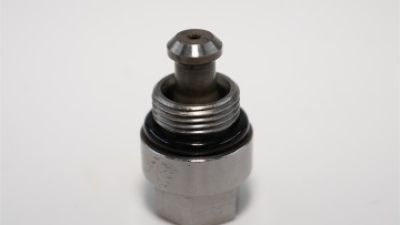
Maximizing Performance and Reliability with FTB- Komatsu PC60-7 Oil Suction Valve 723-20-80100
When it comes to maximizing performance and reliability in heavy machinery, selecting the right components is crucial. The oil suction valve is one of the key parts that contributes to the seamless operation of excavators like the PC60-7. This component is essential for ensuring efficient oil circulation, which directly impacts engine performance and longevity. A high-quality oil suction valve not only minimizes the risk of failures but also enhances the overall productivity of the equipment.
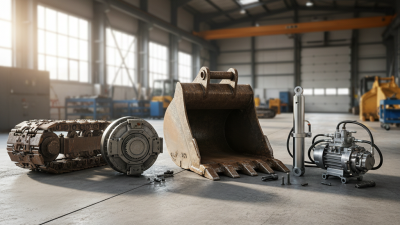
Recent industry reports indicate that the demand for reliable excavator parts is on the rise, reflecting a growing trend towards maintenance and operational efficiency. The oil suction valve, with its robust construction and superior design, plays a vital role in achieving these objectives. With the ability to supply up to 10,000 units per month, manufacturers are positioned to meet the increasing market needs without compromising on quality. The availability of a comprehensive range of models ensures that operators can find the precise match for their machines.
Moreover, investing in notable advancements and competitive pricing is essential in today's market. Companies that offer a six-month warranty and exemplary after-sales service create a trust-based relationship with their clients, which is a fundamental component of fostering long-term partnerships. As machinery operators strive to keep their equipment running at peak performance, high-quality parts like the oil suction valve will continue to be a pivotal investment for maximizing both reliability and productivity.
FAQS
: The main types of oil pump kits include gear pumps, diaphragm pumps, and rotary-vane pumps, each with varying designs and functionalities suitable for different applications.
Gear pumps are favored for their simplicity and reliability, providing consistent oil flow that is essential for engine lubrication in a wide range of vehicles.
Diaphragm pumps are ideal for situations that require precise oil delivery and are commonly used in high-performance vehicles where maintaining pressure is critical.
Rotary-vane pumps are compact and offer effective oil transfer efficiency, making them suitable for applications where space is limited but performance is essential.
Consider factors such as engine design, oil viscosity, and operating conditions to ensure optimal performance and longevity of the engine when selecting an oil pump kit.
High-quality oil pumps ensure optimal engine lubrication, which is crucial for maintaining performance and prolonging the engine's life, making brand reliability a key consideration.
Customer reviews and expert recommendations provide insights into the performance and reliability of different oil pumps, helping to identify brands that consistently perform well.
Engaging with automotive forums allows individuals to gather valuable information from other users about the longevity and effectiveness of various oil pump kits under different conditions.
A reliable oil pump kit is often manufactured from superior materials and employs rigorous production processes that minimize the likelihood of failure while ensuring consistent performance.
Selecting a dependable oil pump kit supports vehicle functionality and contributes to a smoother and safer driving experience.
Conclusion
Choosing the right Oil Pump Kit is crucial for optimizing your vehicle's performance. An oil pump kit ensures proper lubrication, which is essential for maintaining engine health and preventing damage. Various types of oil pump kits are available on the market, each designed for specific engine types and performance needs. When selecting an oil pump kit, it's important to consider factors such as compatibility with your vehicle's engine specifications, the quality and reliability of the brands, and to avoid common pitfalls that can lead to poor choices.
Additionally, proper maintenance of your oil pump kit after installation is vital for ensuring its longevity and effectiveness. Regular checks can help identify any issues early on, allowing you to maintain optimal engine performance. By following these essential tips, you can make an informed decision and select an oil pump kit that meets your vehicle's specific requirements, ultimately enhancing its overall functionality.
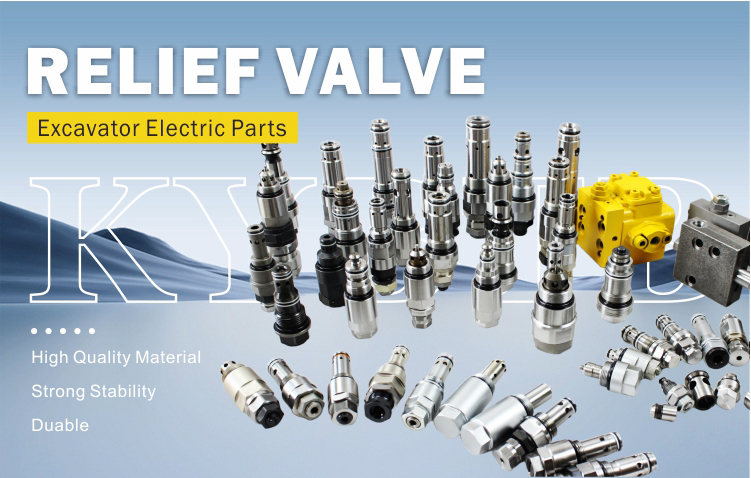 Relief Valve
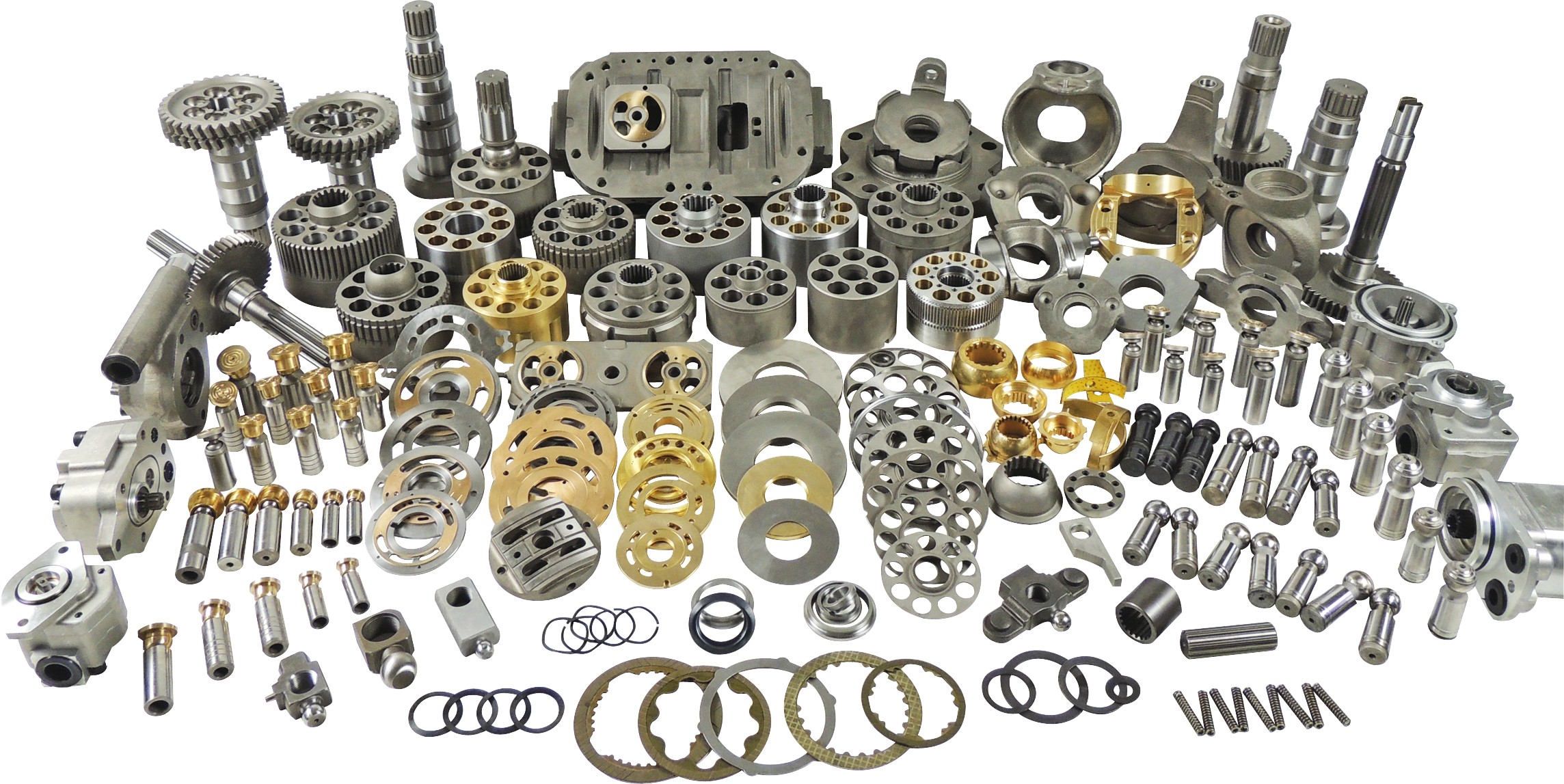 Hydraulic Spare Parts
 +8613126993997

 Contact Phone
 Contact Email