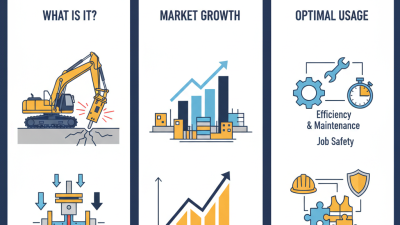
Lately, the construction world’s really buzzing with demand for powerful tools like the Hydraulic Breaker. I was reading a report from MarketsandMarkets, and it looks like the global market for Hydraulic Breakers could hit around $3.2 billion by 2025, with a growth rate of about 4.5% from 2020 onward. This surge pretty much comes down to more infrastructure projects popping up and cities expanding everywhere—makes sense, right?
Now, if you’re thinking about picking up a Hydraulic Breaker, I gotta say—it’s not always easy. There are so many options out there, each with its own features and quirks. Big names like Atlas Copco and Chicago Pneumatic, for example, have different styles and weights, tailored to all sorts of jobs. It’s really worth taking the time to dig into what each model offers—knowing the specs can actually save you some headaches (and cash) down the line.
But here’s the thing—it's super important to think about your actual needs. Not every Hydraulic Breaker fits every job. Picking the wrong one can lead to wasted time, inefficiencies, and higher costs, which nobody wants. So, before you make any decisions, it’s a good idea to do some research, maybe chat with experts, and really get a feel for what suits your project best. The market’s changing quickly, but with a bit of homework, you’ll be able to choose something that gets the job done without all the hassle.
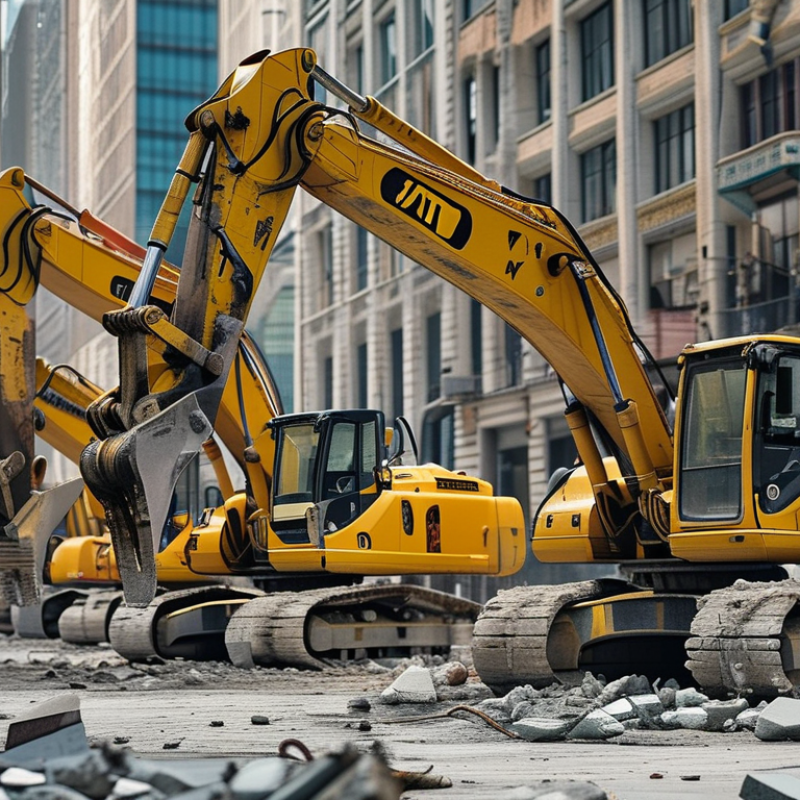
Understanding Hydraulic Breakers and Their Applications
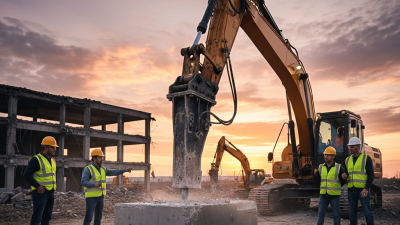
Hydraulic Breakers are crucial in various construction and demolition applications. They deliver powerful impacts, making them ideal for breaking concrete, rock, and asphalt. Recent industry reports highlight that the global Hydraulic Breaker market is projected to reach USD 3.5 billion by 2027, growing at a CAGR of 5.8% from 2020. This growth signifies the increasing demand in sectors like infrastructure development and mining.
Understanding the types of Hydraulic Breakers is essential. There are two main categories: silent and conventional breakers. Silent breakers minimize noise, making them suitable for urban areas. Conventional models, while louder, often provide greater power. According to a 2021 survey, over 70% of construction companies prefer breakers with adjustable energy output for varied tasks. This adaptability is critical in maximizing efficiency without compromising performance.
Users often overlook maintenance aspects. Regularly maintaining Hydraulic Breakers can extend their lifespan significantly. Neglecting scheduled maintenance can lead to lower efficiency and costly repairs. Industry experts recommend routine checks on seals and hydraulic fluid levels to prevent potential failures. These insights help construction teams make informed decisions, ensuring they choose the right tools for their projects.
Key Features to Look for in Hydraulic Breakers
When considering Hydraulic Breakers, specific features matter greatly. First, look for energy efficiency. High-efficiency models deliver more power with less fuel. This can greatly reduce operational costs over time. It's essential to analyze not just the initial price but long-term savings.
Another vital aspect is impact rate. A higher impact rate often translates to better performance on tough materials. However, keep in mind that more power can lead to faster wear. Regular maintenance becomes crucial as it preserves efficiency. Hydraulic Breaker Bits should be easy to replace. This reduces downtime and ensures your project stays on schedule.
Durability is also key. Models made from robust materials may handle harsh conditions better. Yet, manufacturing techniques can vary widely. Some products may seem sturdy but fail under pressure. Trustworthy suppliers will provide clear specifications and warranty details. Always ask about these aspects before making a purchase. Balancing performance with reliability is the ultimate goal.
Top Hydraulic Breaker Brands in the Market
When exploring the hydraulic breaker market, the variety of brands can be overwhelming. Recent industry reports indicate that around 25% of companies express dissatisfaction with their current Hydraulic Equipment. This dissatisfaction often stems from a lack of understanding of brand capabilities. Quality varies significantly, influencing both performance and longevity.
Some leading brands emphasize durability and efficiency. They invest heavily in research and development. According to a survey by industry analysts, nearly 70% of buyers prioritize reliability over price. This trend shows a shift towards brands renowned for their robust performance metrics. Furthermore, reports suggest that well-known brands maintain higher resale values. This can be crucial for long-term investment returns.
It's essential to consider user reviews when evaluating brands. Some users report challenges with customer support and maintenance services. This highlights the need for buyers to conduct thorough research. Customer feedback often reveals the true nature of a brand's service quality. Investing in the right Hydraulic Breaker brand can drastically improve operational efficiency and reduce costly downtimes.
Comparison of Hydraulic Breaker Models Based on Performance
When selecting a hydraulic breaker, performance is key. Various reports indicate that the efficiency of these tools varies significantly. A study by the Equipment Market Analysis found that hydraulic breakers can deliver impact energy ranging from 1,500 to over 2,400 joules. The effectiveness of a breaker is not just about power; it also involves factors like weight, flow rate, and operational speed.
Another report notes that heavier breakers tend to perform better in tough conditions like hard rock. However, they may be less suitable for precision tasks. This introduces a dilemma when choosing the right model. Some contractors prefer lighter models for their ease of maneuverability, even if they sacrifice power. Furthermore, performance can dip based on maintenance practices; 30% of hydraulic issues arise from improper care.
Real-world tests highlight that user experience significantly impacts performance ratings. Feedback indicates that those who regularly use these tools find there is a learning curve in mastering them. Consistent training is often overlooked, yet it can greatly enhance efficiency. Over time, operators develop an instinct for maximizing the breaker’s capabilities. In a field where every detail matters, understanding performance intricacies is crucial for making informed choices.
Cost Factors and Budget Considerations for Buyers
When considering a hydraulic breaker, cost factors play a significant role in decision-making. The initial purchase price is just the beginning. There are related costs that buyers should factor in. Maintenance, replacement parts, and operation costs need careful evaluation. For example, Hydraulic Breaker Parts can vary dramatically in price. High-quality components may save money in the long run. However, they require a larger upfront investment.
Budget considerations also depend on the project at hand. Larger projects may justify the higher cost of premium hydraulic breakers. Smaller jobs might benefit from more affordable options that still deliver decent performance. It’s essential to assess the frequency of use and the intensity of tasks. Some less powerful models may not withstand heavy usage. Buyers should weigh short-term savings against potential long-term expenses.
Before making a purchase, research is crucial. Evaluate warranties and service agreements that manufacturers offer. A reliable warranty can provide peace of mind. Not all hydraulic breaker parts come with equal support. Understanding service logistics can reveal hidden costs, like shipping fees for replacements. In some cases, cheaper options lack essential support, leading to added disappointments.
Maintenance Tips for Hydraulic Breakers
Proper maintenance of hydraulic breakers is essential to ensure their longevity and optimal performance. Regular inspection of the Hydraulic Breaker Chisel is crucial. Operators should check for wear and tear. A worn chisel can affect efficiency and lead to more significant issues. Reports indicate that nearly 30% of equipment failures arise from inadequate maintenance practices.
Incorporating proper lubrication is often overlooked but critical. Greasing the Hydraulic Breaker Chisel reduces friction and heat. This can extend the life of the tool significantly. The recommended frequency is at least every 50 operating hours, as stated in industry guidelines. Ignoring this can cause premature wear, leading to costly repairs.
Training personnel on maintenance procedures is often insufficient. Many operators lack the knowledge to address minor issues before they escalate. It has been observed that 25% of operators report not receiving adequate training on equipment care. Regular workshops could address these gaps. Investing in personnel can yield significant returns in equipment reliability and performance.
Future Trends in Hydraulic Breaker Technology
The hydraulic breaker industry is evolving rapidly. A recent market report highlighted that the global hydraulic breaker market is projected to reach USD 3.5 billion by 2027, driven by infrastructure development and urbanization. This growth indicates a shift towards more advanced technology.
Future trends in hydraulic breaker technology focus on improved efficiency and reduced environmental impact. Innovations include electronic control systems that enhance precision, capturing real-time data to optimize performance. Users can expect a reduction in vibration and noise levels, making operations more sustainable. Reports suggest that Hydraulic Breaker Hammers with noise-minimizing features can lower sound levels by 10 dB or more, a significant advancement for urban job sites.
Furthermore, manufacturers aim to incorporate smart technology in hydraulic breaker hammers. This includes predictive maintenance capabilities, which can help avoid costly downtimes. However, there remain challenges. Not all users grasp these advanced features, leading to potential underutilization. Bridging this knowledge gap is essential for maximizing the benefits of new hydraulic breaker technology.
FAQS
: Hydraulic breakers are used for breaking concrete, rock, and asphalt in construction and demolition.
The two main types are silent and conventional breakers. Silent breakers reduce noise, suited for urban areas.
Regular maintenance extends lifespan and improves efficiency. Neglect can lead to expensive repairs and downtime.
Most companies prefer breakers with adjustable energy output for greater efficiency in varied tasks.
Brand quality affects performance and durability. Many users prioritize reliability over price when selecting a brand.
Yes, customer reviews reveal the true quality of service and product reliability, guiding informed choices.
Users often overlook the importance of maintenance checks, which are crucial to avoid failures and inefficiencies.
The market is projected to grow, driven by demand in infrastructure development and mining sectors.
Some companies express dissatisfaction due to a lack of understanding of their equipment's capabilities.
Choosing a reliable brand can drastically improve operational efficiency and minimize costly downtimes.
Conclusion
Hydraulic breakers are essential tools in construction and demolition, designed to efficiently break concrete and rock. Understanding their applications is crucial for buyers, as they vary significantly in size and functionality. When selecting a hydraulic breaker, key features such as energy output, durability, and compatibility with equipment are important to ensure optimal performance.
Buyers should also consider cost factors, including initial investment and maintenance expenses, to determine their budget. Regular maintenance is vital for the longevity and effectiveness of hydraulic breakers. Looking ahead, advancements in technology are set to enhance the efficiency and versatility of these tools, making it an exciting time for potential buyers to explore the latest options in the market.

 +8613126993997
 Contact Phone
 Contact Email