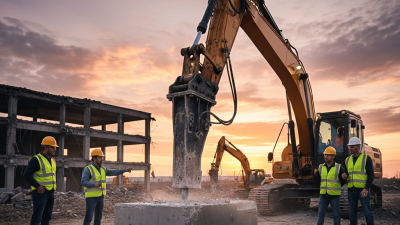
Picking the right Hydraulic Breakercan really make a difference when it comes to how smoothly your construction projects go. I came across a recent report from Market Research Future, and it says that the Hydraulic Breaker market is expected to grow at about 6.4% CAGR by 2025. That just shows how much people are now realizing that this kind of equipment is pretty essential. Industry pros like John Miller even point out, “Choosing the right Hydraulic Breaker isn’t just about how well it performs; it’s also about keeping things safe and keeping costs in check.” So true, right?
When you’re looking at different Hydraulic Breakers—since there are so many types and sizes—it’s super important to really understand what your project needs. For example, if you pick a breaker that’s way too big for the job, you might end up wearing out your machinery faster and racking up higher operating costs. On the flip side, if the breaker is too small, things might take forever, and your project could get delayed. So, whenever you’re making that choice, pay attention to things like impact energy, weight, and how energy-efficient it is.
And honestly, hearing what other users have experienced can be a huge help. Some contractors have shared frustrations about certain models that just didn’t hold up in tough conditions. It’s a good idea to dive into reviews and chat with reliable sources before you decide. Because, let’s face it, the success or failure of your project can sometimes depend on this decision. All in all, choosing a Hydraulic Breaker isn’t something to rush—think it through and consider all the details carefully.
Choosing the Right Hydraulic Breaker: A Comprehensive Guide
Choosing the right Hydraulic Breaker is critical for efficiency and performance. When assessing Hydraulic Breakers, consider the type of material you'll be working with. Different breakers excel in breaking concrete, rock, or asphalt. This choice directly impacts productivity and tool durability.
Another important aspect is the weight of the Hydraulic Breaker. Heavier models deliver more impact force, while lighter ones offer better control and maneuverability. Evaluating your equipment's limitations is necessary here. It can be challenging to find a balance between power and usability. A Hydraulic Breaker that is too heavy may result in operator fatigue. Conversely, a breaker that is too light might not get the job done effectively.
Don't forget to look into the Hydraulic Breaker Bits as well. These bits affect the breaker's performance and lifespan. Investing in the right bits can lead to better outcomes and reduced downtime. There may be multiple options available, each with its own pros and cons. It’s wise to analyze which bits fit your specific applications best. Make an informed choice based on your unique needs, and always be open to adjusting your strategy as experiences unfold.
Understanding Your Project Requirements and Applications
Understanding project requirements is crucial when selecting a Hydraulic Breaker. Different applications demand unique features. For demolition work, a lighter Hydraulic Breaker can be more effective. It reduces fatigue, allowing longer operational hours. Conversely, for breaking through hard surfaces, a heavier model may be necessary. Each project has distinct needs to consider.
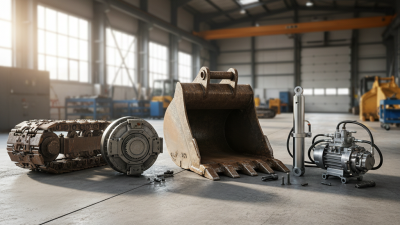
The specific type of material also impacts the decision. Concrete requires different breaker specifications than asphalt. The Hydraulic Breaker Parts play a vital role in performance. Identifying the right parts ensures efficiency and longevity. Consideration of maintenance is equally important. Poorly maintained parts can lead to unexpected downtimes. Reflections on past projects can guide choices for future ones.
Selecting a Hydraulic Breaker is not purely technical; it involves understanding the scope of work. Never underestimate the importance of team input. Collective experiences can highlight potential challenges. Balancing technical specifications with practical insights leads to better outcomes. This thoughtful approach will serve as a reliable foundation for your project.
Evaluating Breaker Size and Weight for Optimal Performance
When selecting a Hydraulic Breaker, size and weight are crucial factors for optimal performance. A breaker that is too heavy can lead to inefficiencies. Operators may struggle to control it, leading to poor results. Conversely, a breaker that is too light may not provide enough impact force to handle tougher materials. Understanding the balance between size and weight can dramatically influence job effectiveness.
Evaluating the right size involves understanding the job scope and material types. A larger breaker may be appropriate for concrete, while a smaller one suits softer materials. Weight affects the force delivered, and lighter breakers can be easier to maneuver but might require multiple applications for tougher tasks. It’s essential to assess the machine’s hydraulic system capacity too. Underpowered systems may not handle larger breakers efficiently, leading to frustrating outcomes.
In practice, the weight of a breaker can impact operator fatigue. If operators struggle with heavy equipment for long periods, this can decrease productivity and safety. Consider testing different models on site to see what feels right. Observing how the breaker interacts with the material is also vital. Adjusting your choice based on real-world conditions will lead to better performance and efficiency. Allocating time to reflect on these aspects often yields better purchasing decisions.
Top 10 Tips for Choosing the Right Hydraulic Breaker
| Tip Number | Tip Description | Suggested Breaker Size (in tons) | Recommended Weight (in lbs) |
| 1 | Assess the type of material to be broken. | 1-2 | 100-200 |
| 2 | Consider the size of the breaker to match your equipment. | 2-4 | 200-400 |
| 3 | Evaluate the hydraulic flow and pressure available. | 3-5 | 400-600 |
| 4 | Select a breaker with the right energy class for effectiveness. | 4-6 | 600-800 |
| 5 | Check the attachment compatibility with your machine. | 5-7 | 800-1000 |
| 6 | Consider the frequency of use and total workload. | 6-8 | 1000-1200 |
| 7 | Look for models with dust suppression features. | 7-9 | 1200-1400 |
| 8 | Assess service access and maintenance ease. | 8-10 | 1400-1600 |
| 9 | Evaluate brand reputation and customer reviews. | 9-11 | 1600-1800 |
| 10 | Consult a professional for tailored recommendations. | 10+ | 1800+ |
Matching Hydraulic Breaker to Equipment Specifications
When selecting a Hydraulic Breaker, matching it to your equipment specifications is essential. Understand the weight and hydraulic flow capacity of your machinery. A breaker that is too heavy can strain your equipment. Conversely, a lightweight breaker may not deliver sufficient impact energy. These mismatches can lead to performance issues and increased wear on your machinery.
Consider the application for which you need the Hydraulic Breaker. Different tasks require different energy levels. For instance, light demolition or chiseling might need a breaker with lower energy, while heavy-duty demolition calls for a high-energy model. Check the operating pressure as well. A breaker that exceeds your equipment's specifications can result in damage.
Aim for compatibility. Inspect your excavator or loader's auxiliary hydraulics. Verify that your hydraulic breaker matches these specifications. Understanding the flow rate and pressure ensures optimal performance. Regularly assess your equipment's condition before and after use. This proactive approach helps prevent unexpected issues and downtime. Implement feedback loops to adjust based on performance outcomes.
Top 10 Tips for Choosing the Right Hydraulic Breaker
This chart represents various factors to consider when selecting a hydraulic breaker, including weight, impact energy, and recommended equipment size. Use these criteria to match hydraulic breakers effectively for optimal performance.
Assessing Impact Energy and Frequency for Effective Demolition
When selecting a hydraulic breaker, one critical factor is its impact energy. This energy directly influences the effectiveness of demolition tasks. Higher impact energy can lead to faster, more efficient breaking of materials like concrete or asphalt. Make sure to consider the project requirements when evaluating how much energy you need. Too much energy can result in overexertion and potential damage, while too little may prolong the job unnecessarily.
Another important aspect is the frequency of the breaker. This refers to how often the breaker strikes per minute. A high strike frequency can enhance productivity, especially for smaller tasks. However, it's crucial to match frequency with impact energy. An imbalance can lead to poor performance and wasted resources. When testing breakers in your selection process, pay attention to how these factors work together. Ensuring the right balance can make a significant difference during your demolition project.
Considering Maintenance and Durability for Long-Term Use
When selecting a hydraulic breaker, maintenance and durability are crucial. A hydraulic breaker is an investment. It should withstand heavy usage over time. Inspect the materials used in the construction. High-quality steel can reduce wear and tear. Look for components designed for easy maintenance. Frequent checks on the Hydraulic Breaker Chisel will help prevent costly repairs.
Consider the working environment as well. Extreme temperatures or corrosive materials can affect durability. A breaker used in harsh conditions needs specialized coatings. These can protect against rust and degradation. Regular maintenance routines can help extend the life of your breaker. Sometimes, minor repairs can prevent greater issues down the line.
Performance may vary based on usage and care. If a hydraulic breaker is neglected, performance will deteriorate. Keeping an eye on the Hydraulic Breaker Chisel can make a significant difference. Ensure that all moving parts are lubricated. A well-maintained tool is not just more efficient; it also enhances safety. Understanding these aspects of maintenance can lead to better decision-making.
Researching Brand Reputation and Customer Reviews for Reliability
When researching a Hydraulic Breaker Hammer, brand reputation is crucial. Reliable brands often have established histories. They demonstrate commitment through quality and service. Look for companies with a strong track record in the industry. Reading customer reviews can offer valuable insights. Authentic feedback often highlights both strengths and weaknesses of a product.
Consider diving into specific experiences shared by users. Some may praise durability and performance. Others may point out issues they faced. It's essential to read varied reviews. This creates a balanced understanding of what to expect. Remember, different projects may require different features from a hydraulic breaker hammer.
Evaluating warranty terms can also help in your decision. While a longer warranty may imply confidence, it’s not always straightforward. Some brands may offer a great warranty yet don’t provide effective post-sale support. Reflection is needed here—consider what matters most for your needs. This approach will guide you toward a reliable choice while avoiding common pitfalls.
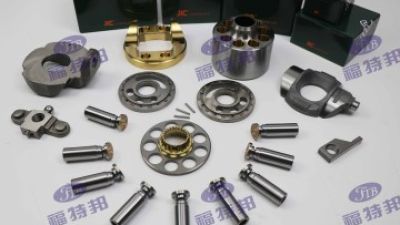
Enhancing Operational Efficiency with FTB-HPV95 Hydraulic Pump Rotary Group: Insights from Industry Performance Reports
The FTB-HPV95 hydraulic pump rotary group is a pivotal component in enhancing operational efficiency across various industries. Recent industry performance reports highlight its exceptional reliability and performance, making it an essential choice for manufacturers aiming to optimize their equipment's functionality. Its robust design ensures that hydraulic systems operate smoothly, significantly reducing the likelihood of downtime and costly repairs.
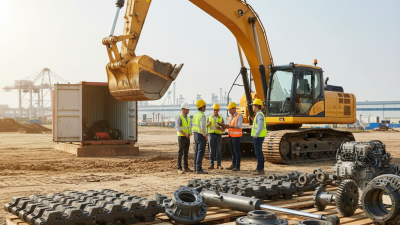
One of the key advantages of the FTB-HPV95 is its versatility, allowing it to be integrated seamlessly into a variety of machinery. This adaptability not only simplifies the procurement process but also supports a wide range of applications, from construction to manufacturing. The one-stop purchasing option for excavator parts further streamlines operations, enabling customers to source all necessary components efficiently and effectively. With competitive pricing and comprehensive after-sales service, industries can benefit from improved performance without compromising their budgets.
Moreover, the availability of warranty options for purchased parts reassures customers of their quality and durability. The FTB-HPV95 hydraulic pump rotary group exemplifies how investing in high-quality components can lead to significant operational benefits, enhancing productivity and contributing to overall business success.
FAQS
: Different applications need unique features. Knowledge helps select the right breaker for specific tasks.
Concrete and asphalt require different specifications. Each material impacts the performance and choice of the breaker.
Proper parts ensure efficiency and longevity. Identifying the right components can minimize unexpected downtimes.
Poor maintenance may lead to operational issues. Regular checks can prevent delays during projects.
Size affects performance and efficiency. A breaker too heavy may be hard to control; too light might lack impact force.
Heavy equipment can tire operators quickly. This fatigue may decrease productivity and overall safety on the job.
Collective experiences bring insights into potential challenges. Team discussions can lead to more informed decisions.
Weight influences control and impact force. Finding a balance affects how effectively a job is completed.
Testing models on-site helps understand their interaction with materials. Reflection on past experiences can guide smart choices.
Underpowered systems struggle with larger breakers. Assessing this capacity ensures smoother operations and better results.
Conclusion
Choosing the right hydraulic breaker is crucial for efficient demolition and construction projects. Understanding your project requirements and applications will guide you in selecting the appropriate breaker size and weight, which are essential for optimal performance. It's important to match the hydraulic breaker to your equipment specifications to ensure compatibility and efficiency.
Additionally, assessing impact energy and frequency will help achieve effective demolition results. Maintenance and durability considerations should not be overlooked, as they contribute to long-term usability and reliability of the hydraulic breaker. Lastly, researching brand reputation and customer reviews can provide valuable insights into the reliability of different models, allowing you to make an informed decision for your specific needs.

 +8613126993997
 Contact Phone
 Contact Email