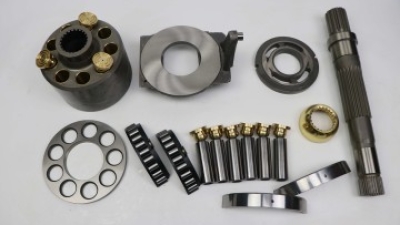
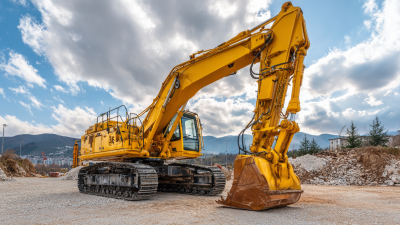
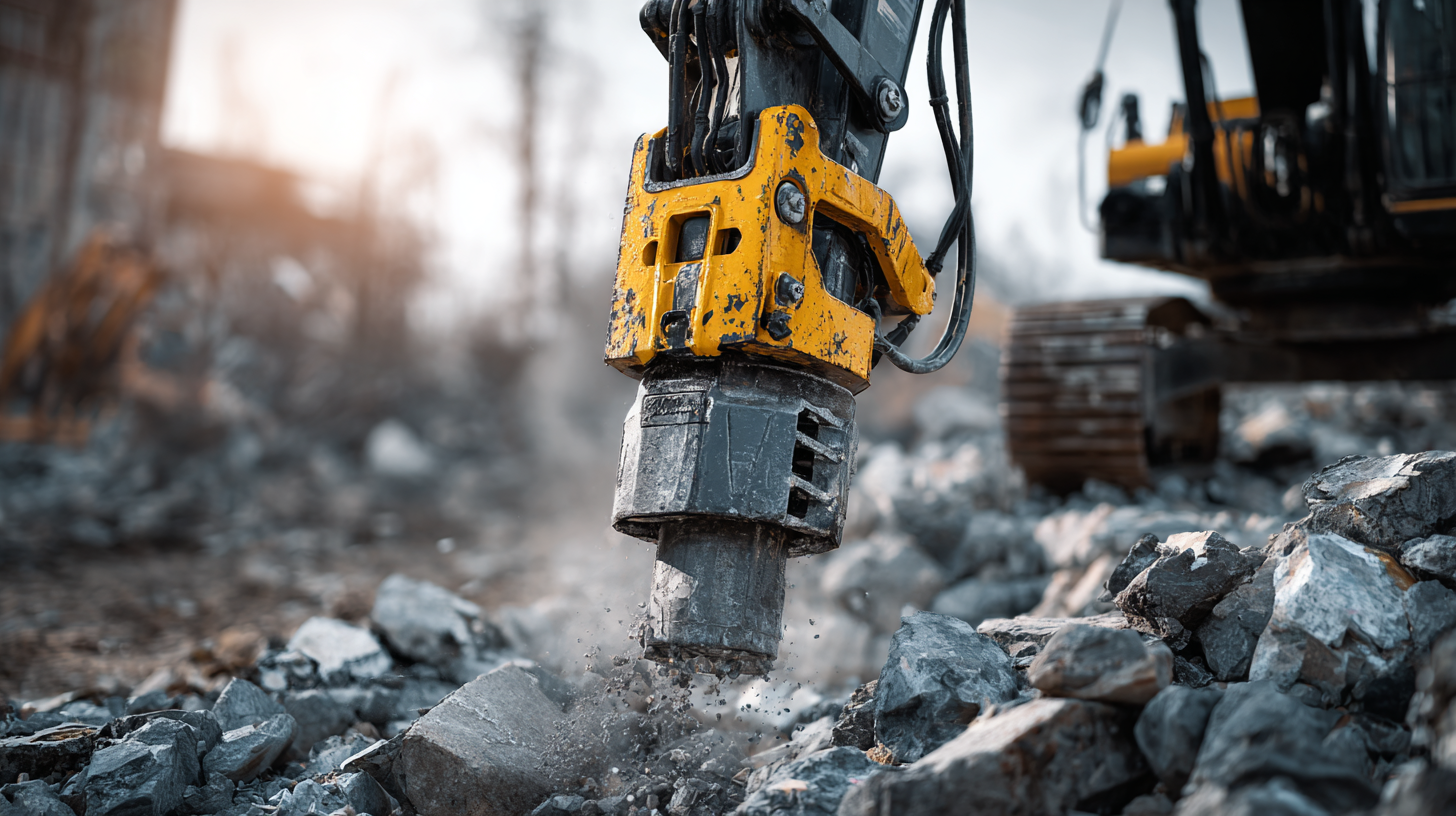
 In the fast-moving world of construction, you really gotta understand what tools like the Hydraulic Breakercan do, and how to use them efficiently. It’s pretty crucial for keeping a project on track and managing costs too. Recent reports show that the global market for Hydraulic Breakers is expected to see quite a boost, mainly because there's more infrastructure work happening and a steady demand fordemolition and renovation jobs. Having been in the Excavator Parts game for over15 years, Guangzhou FuTeBang Machinery Equipment Co., Ltd. has earned its place as a top supplier of high-quality hydraulic breakers. They combine manufacturing, research, development, and sales all in one, so they’re always ready to meet the needs of construction pros. This article’s all aboutunlocking the potentialof Hydraulic Breakers—giving you key insights and practical tips to get the most out of these powerful tools on the job site.
Understanding Hydraulic Breaker Mechanics for Efficient Operation
Hydraulic Breakers are pretty much a must-have in the construction world—they're super effective when it comes to demolition and digging. Really, understanding how they actually work is a big deal for pros who want to get the most out of them. I came across a report from Freedonia Groupthat says the global market for Hydraulic Breakers is expected to grow about5.6% each year from 2021 to 2026. This growth is mostly thanks to more infrastructure projects and urban growth happening everywhere. It just shows how important it is for us to get a good grip on how these tools function if we want to stay productive on-site.
So, how do Hydraulic Breakers do their thing? Well, inside these devices are components that turn hydraulic energy into those powerful impacts you see. Things likehydraulic flow rate and pressure really matter here—they’re key in figuring out how much power the tool packs and how efficient it is. A study from Research and Marketspoints out that if you choose the right Hydraulic Breaker for your excavator and tweak the settings properly, you could boost your productivity by up to30%. Basically, understanding this relationship helps construction folks pick the best gear and fine-tune their operations, making sure they get a solid return on investment while also reducing machine wear and avoiding unnecessary downtime.
Choosing the Right Hydraulic Breaker for Your Project Requirements
Picking the right hydraulic breaker for your project isn’t just a detail — it’s pretty much the secret to working smarter and getting things done faster. There are lots of different sizes and setups out there, perfect for everything from tearing down buildings to road work or even mining jobs. When you’re choosing one, it’s a good idea to think about things like how heavy and powerful your excavator is, what kind of materials you’ll be breaking, and what your project really needs. Getting a handle on these details can save you a lot of hassle, making sure you pick a breaker that not only boosts your performance but also helps keep your equipment in good shape longer.
Here at Guangzhou FuTeBang Machinery Equipment Co., Ltd., we’ve been in the excavator parts game for over 15 years. We’re proud to offer a wide range of top-notch hydraulic breakers, because we believe in combining manufacturing, research, and sales — all to give you solutions that fit your specific needs. By focusing on quality and innovation, we want to give you the right tools so you can crush your projects with confidence and efficiency, making sure everything turns out just right.
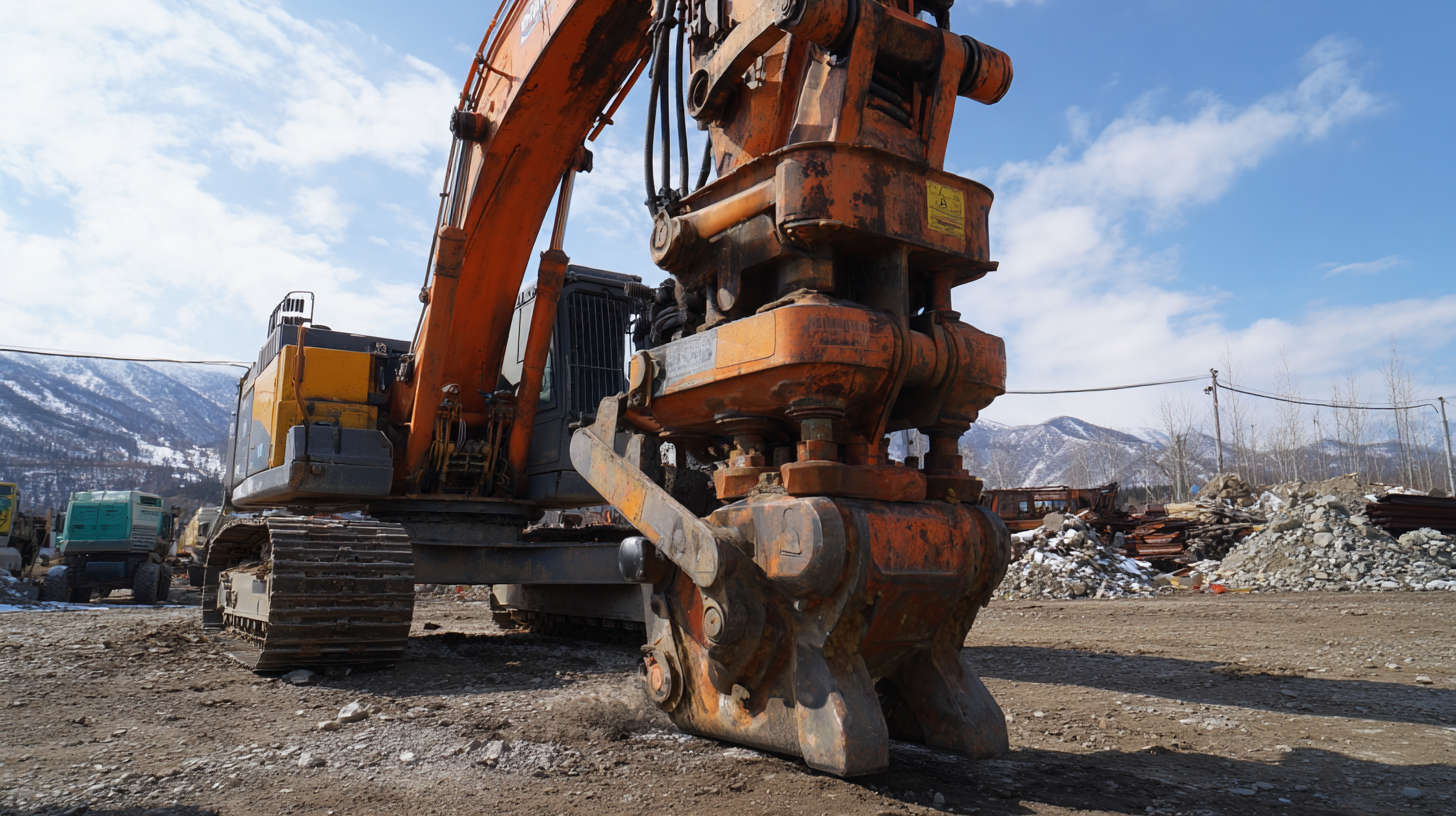
Best Practices for Maintaining Hydraulic Breakers and Longevity Tips
Hydraulic breakers are pretty much essential tools in construction work, especially when it comes to smashing through concrete and other tough materials. To get the most out of these powerful machines and make sure they last, it's really important to keep up with good maintenance habits. Regular inspections are a must—did you know that, according to the International Journal of Engineering Research and Applications, taking good care of your hydraulic equipment can actually extend its lifespan by up to 30%? That's a pretty big deal!
Some simple tips? For starters, check and change the oil regularly to prevent dirt and wear from messing things up. Also, after finishing a job, giving your breaker a good clean-up helps keep it running smoothly. And don’t forget to keep all the parts well-lubricated — it makes a big difference in how well it operates and helps avoid overheating.
At
Guangzhou FuTeBang Machinery Equipment Co., Ltd., we truly get the ins and outs of the excavator parts business. With over
15 years under our belt, we’re all about providing
top-notch products. Our focus on combining production, research and development, and sales means that we can always deliver reliable hydraulic breakers that help make construction work smoother and more efficient. Following these simple maintenance tips can really help you unlock the full potential of your hydraulic breaker, keeping it in top shape for years to come.
Safety Protocols Every Construction Professional Should Follow
Hydraulic breakers are seriously powerful tools that can really boost productivity on construction sites. But, let’s be honest, they also come with their fair share of risks. OSHA reports show that over 60% of injuries on construction sites happen because of falls, getting hit by objects, or accidents related to equipment. So, it’s pretty clear that sticking to strict safety rules is a total must for anyone using these tools.
One of the most important things is making sure all operators have proper training and certification. According to NIOSH, good training can cut down accident risks by up to 35%. Before starting work, operators should do a quick but thorough check of the hydraulic breaker and the area around them. That means looking out for hazards like overhead power lines and making sure no one’s standing too close. Also, don’t forget that PPE—hard hats, goggles, ear protection—really makes a difference. Construction noise can easily go over 85 dBA, which, if you’re not careful, can cause hearing damage over time.
When everyone follows these safety steps, it doesn’t just protect individual workers—it really helps build a safety-first culture on-site, which in turn can make everything run smoother and faster. Putting safety first means the team can get the most out of hydraulic breakers without putting themselves at unnecessary risk, keeping everyone safer and more productive in the long run.
Unlocking the Power of Hydraulic Breakers: Essential Insights for Construction Professionals - Safety Protocols Every Construction Professional Should Follow
| Safety Protocol | Description | Frequency of Training | Compliance Level (%) |
| Personal Protective Equipment (PPE) | Ensure all operators wear appropriate PPE including helmets, gloves, and safety boots. | Every Project | 95 |
| Equipment Inspection | Regularly check hydraulic breakers for signs of wear and tear. | Weekly | 90 |
| Operation Training | Training for operators on safe techniques and equipment handling. | Monthly | 85 |
| Emergency Procedures | Clear guidelines on what to do in case of an accident. | Quarterly | 80 |
| Communication Protocol | Establishing clear lines of communication on site to prevent accidents. | Every Project | 92 |
Innovative Techniques to Enhance Hydraulic Breaker Performance
Hydraulic breakers have really become a must-have in the construction world these days. They’ve definitely boosted productivity quite a bit. Thanks to cool innovations like advanced damping systems and energy recovery tech, operators are able to get more work done in less time—and these machines are lasting longer too. I read in a report by MarketsandMarkets that the global market for hydraulic breakers is expected to jump from about $2.1 billion in 2021 to around $2.9 billion by 2026. That growth’s mainly driven by a boom in construction projects and infrastructure work happening all over the place.
Now, Guangzhou FuTeBang Machinery Equipment Co., Ltd. has been in the game for over 15 years, focusing on excavator parts. They really understand how important it is to keep hydraulic breakers running smoothly. By putting the latest research into their products, they make sure their hydraulic breakers are top-notch—actually exceeding industry standards sometimes. From what I’ve come across, using cutting-edge materials and tech can boost impact energy efficiency by as much as 30%. That’s a pretty big deal for construction crews—they save money and work more effectively, all in one go.
Common Mistakes with Hydraulic Breakers and How to Avoid Them
Hydraulic breakers are pretty much essential tools when it comes to construction and demolition work. But, let’s be honest, a lot of folks slip up sometimes, and those small mistakes can really mess things up—causing delays that can get costly fast. One common mistake I see a lot is neglecting proper maintenance. Just a little regular upkeep can make a huge difference—it keeps the hydraulic system running smoothly, cuts down the chances of breakdowns, and helps the equipment last longer. It’s a good idea for pros to set up a maintenance routine that includes checking fluid levels, inspecting seals, and giving filters a quick clean.
Another thing I’ve noticed is some operators misusing the breaker. Maybe they use too much force or pick the wrong attachment, which really tanks performance and can even cause damage. It's important to understand the specs and what each breaker is meant for—it's not a one-size-fits-all kind of thing.
Here are a few tips to steer clear of these common pitfalls:
- Always read and follow the manufacturer’s guidelines for maintenance and proper use—this boosts performance and keeps things running smoothly.
- Make sure operators get proper training on handling hydraulic breakers—knowing what you're doing really makes a difference.
- Keep an eye on the breaker regularly for any signs of wear and tear. Catching small issues early can save you big headaches down the line.
Exploring the FTB-A4VG180: Unleashing the Power of Hydraulic Rotary Groups in Modern Machinery
The FTB-A4VG180 hydraulic rotary group stands at the forefront of modern machinery, introducing enhanced efficiency and versatility that are crucial in today’s competitive landscape. As excavation and construction projects advance, the demand for reliable hydraulic components has surged. Industry reports indicate that the hydraulic equipment market is anticipated to reach $50 billion by 2027, with rotary groups playing a major role in this growth. The FTB-A4VG180, manufactured by FTB-KIYAB in China, exemplifies the integration of cutting-edge technology and robust construction, ensuring optimal performance across various applications.
One key advantage of the FTB-A4VG180 hydraulic rotary group is its comprehensive supply capacity of 10,000 units per month, enabling firms to maintain seamless operations without the worry of supply chain disruptions. This product not only boasts a six-month warranty and factory-direct sales, which offer a more favorable pricing structure but also emphasizes one-stop purchasing for excavator parts. With complete models available, FTB-KIYAB guarantees that clients enjoy not just quality, but also excellent after-sales service, a vital component for maintaining machinery efficiency.
The hydraulic component landscape is evolving rapidly, with innovations providing powerful solutions for demanding tasks. The FTB-A4VG180 is positioned to meet these demands, providing significant enhancements to productivity and equipment longevity. As companies look towards the future of machinery, investing in hydraulic systems like the FTB-A4VG180 will undoubtedly yield promising returns on investment.
FAQS
: Hydraulic breakers are essential tools in the construction industry, primarily used for demolition and excavation tasks due to their efficiency and effectiveness.
Hydraulic breakers operate by converting hydraulic energy into powerful impacts, relying on internal components that are influenced by hydraulic flow rate and pressure.
The efficacy of a hydraulic breaker is influenced by the hydraulic flow rate and pressure, which are critical in determining the energy output and efficiency of the tool.
Properly matching the hydraulic breaker to the excavator's specifications can increase productivity by up to 30%, allowing for optimized performance and reduced downtime.
Essential safety protocols include ensuring operators are properly trained and certified, conducting thorough inspections of the equipment and work area, and using personal protective equipment (PPE).
The inherent risks include falls, being struck by objects, and equipment-related accidents, which account for over 60% of construction site injuries.
Proper training can reduce the risk of accidents by as much as 35%, emphasizing its importance in ensuring safety on construction sites.
Recommended PPE includes hard hats, goggles, and ear protection to protect workers from flying debris and excessive noise.
Implementing safety protocols not only protects individual workers but also promotes a culture of safety, which can enhance overall site productivity.
Construction noise levels can exceed 85 dBA, potentially leading to hearing loss if proper precautions, such as wearing ear protection, are not taken.
Conclusion
Hey there! If you’re into construction, you’ll probably find the article “Unlocking the Power of Hydraulic Breakers: Essential Insights for Construction Professionals” super helpful. It kicks off by breaking down how hydraulic breakers work — because honestly, understanding the mechanics is key to getting the most out of these tools. The piece also offers some solid tips on choosing the right hydraulic breaker for your specific project, so you’re not just throwing money at the latest gadget, but actually picking what fits best to get the job done right.
It doesn’t stop there, though. The article gets into maintenance tips, which is crucial if you want your hydraulic breakers to last longer. Safety protocols are covered — because nobody wants accidents, right? — along with some clever techniques to boost performance and common pitfalls to watch out for. Believe me, skipping these can really slow things down or cause issues down the line. With over 15 years of experience in the excavator parts game, Guangzhou FuTeBang Machinery Equipment Co., Ltd. really stresses just how important quality products and knowing how to use them properly are. The goal? Help professionals like you get the most out of hydraulic breakers and crush those projects with confidence.
So yeah, if you’re looking to level up your knowledge and keep things running smoothly, this article’s definitely worth a read!
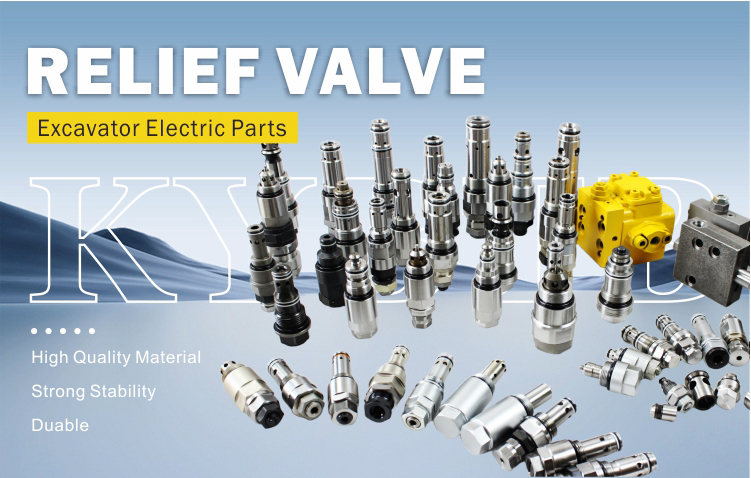 Relief Valve
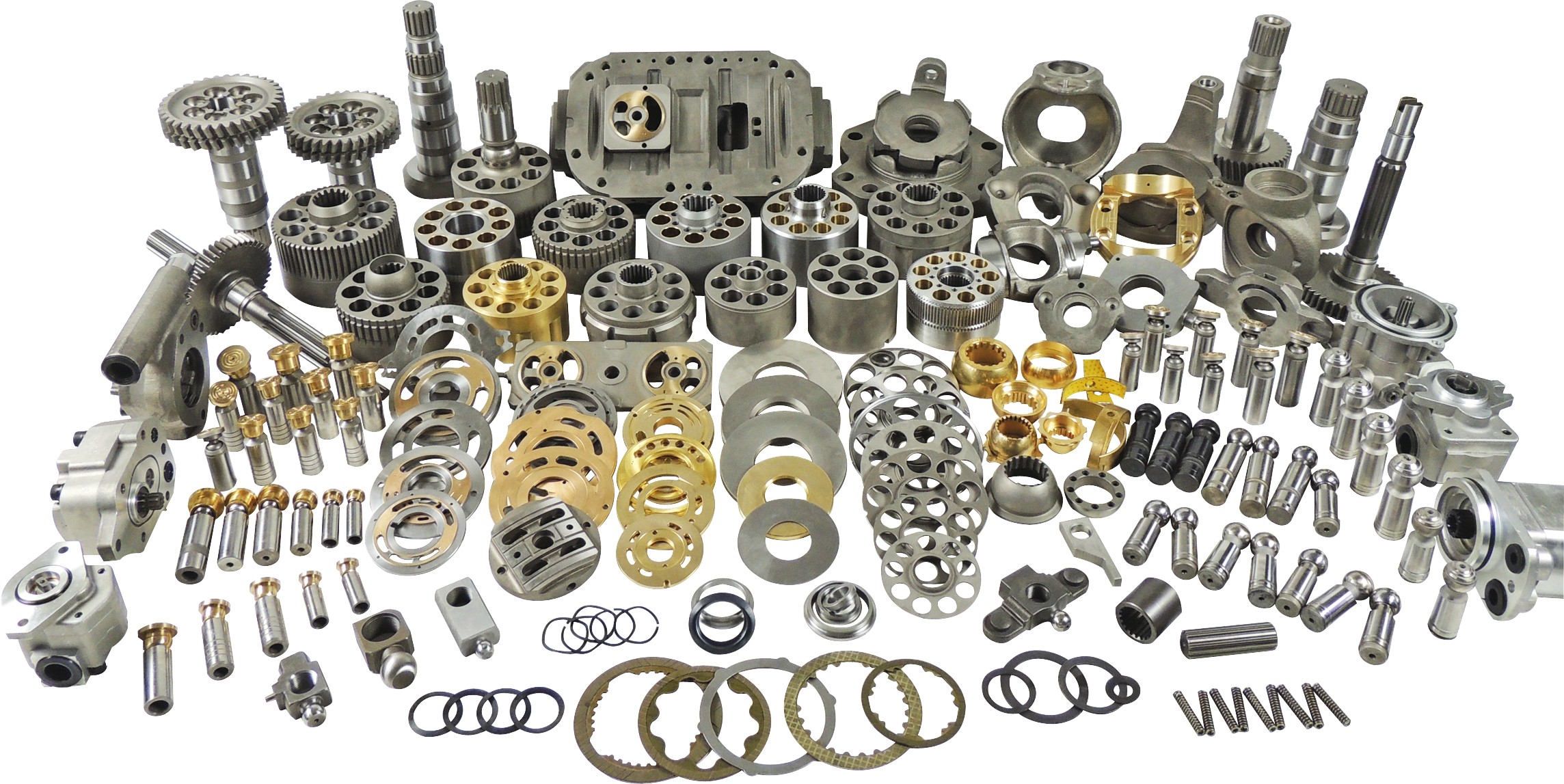 Hydraulic Spare Parts
 +8613126993997

 Contact Phone
 Contact Email