
 +8613126993997



Industry News



0102030405
Chinese construction machinery companies entering Brazil should not really study the 200 million population, but these five major regions
2026-10-14
When many Chinese construction‑machinery enterprises research the Brazilian market, the first figures they notice are usually: a population of over 200 million, a land area of 8.51 million square kilometres, and its status as one of Latin America’s largest economies.
These statistics are certainly important.
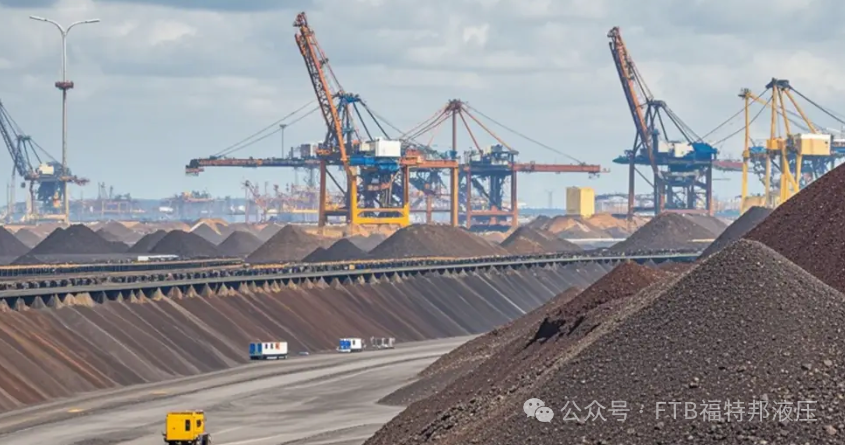
Nevertheless, for manufacturers of excavators, loaders, bulldozers, construction‑Machinery Spare Parts and hydraulic systems, market opportunities are not ultimately determined by Brazil’s total population.
What truly matters are other practical questions: Which regions hold larger installed bases of Construction Machinery? Where are mines, agricultural operations and infrastructure projects concentrated? Where are construction‑equipment dealers and service‑repair systems more established? Where is after‑market demand most concentrated? After Chinese enterprises enter the market, can they deliver adequate parts and after‑sales coverage?
These are the real issues construction‑machinery firms need to examine when studying Brazil.
Brazil spans more than 8.51 million square kilometres, comprising 26 states plus one Federal District. According to IBGE census data, its population stood at approximately 203 million in 2022. However, population, economic activity and industries are highly unevenly distributed across the country.
Planning products, pricing and sales channels purely based on the “national‑level market” will easily lead to a flawed conclusion: Brazil is huge, so the whole country is worth pursuing.
In reality, a far more effective approach for construction‑machinery enterprises is: first identify regions with concentrated equipment and industrial activity, and then target corresponding customers and after‑market opportunities.
From the perspective of construction‑machinery and hydraulic‑component suppliers, Brazil can be analysed by focusing on five major geographic regions.
I. Southeast Region
The Commercial Hub for Construction Machinery | The Most Competitive Zone for Chinese Players Brazil’s Southeast covers São Paulo, Rio de Janeiro, Minas Gerais and Espírito Santo.
This region carries immense weight for construction‑machinery businesses, for a straightforward reason: it generates the largest economic output and hosts a high concentration of industry, infrastructure, mining, logistics and commercial resources.
São Paulo deserves particular attention. It functions as Brazil’s commercial and channel centre for the construction‑machinery sector. A large number of construction‑equipment dealers, importers, parts traders, repair workshops, engineering contractors, industrial end‑users and national procurement channels are clustered here.
For Chinese newcomers entering Brazil, São Paulo’s greatest value may not lie solely in end‑user sales volume. It serves primarily as an entry point for sourcing agents, distributors, importers and business partners. If your business covers excavator hydraulic components, engine parts, electrical components, Undercarriage Parts, work attachments or other after‑sales spare parts, São Paulo is usually the priority location for building up customer networks.

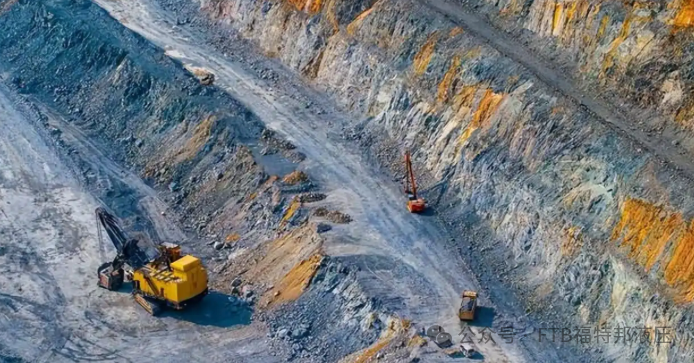
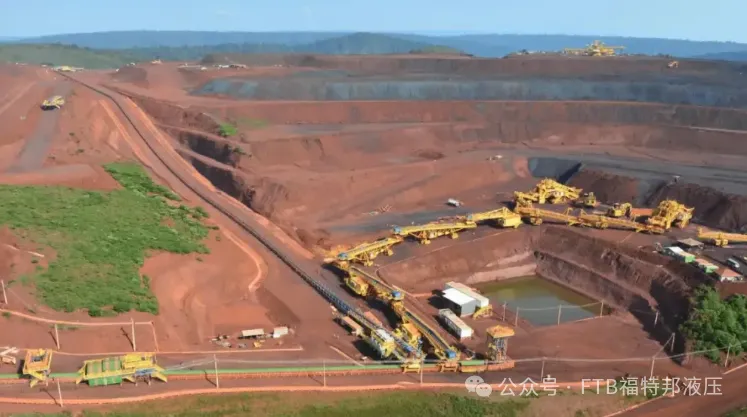
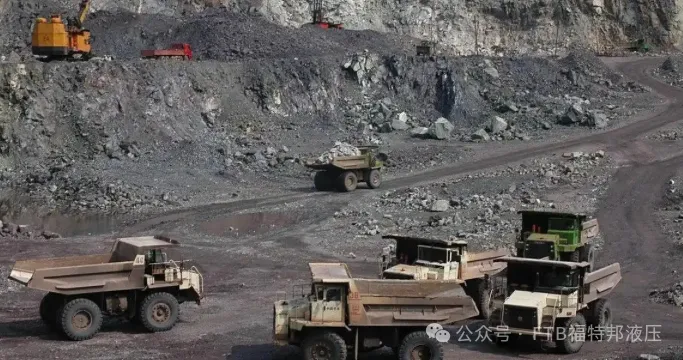
Minas GeraisIf São Paulo leans toward commerce and general industry, Minas Gerais represents the critical mining market for construction‑machinery enterprises. It hosts major iron‑ore deposits and associated mining industrial chains. Mine‑site requirements for Construction Machinery differ substantially from those of ordinary building‑construction projects. Large‑size excavators, loaders, bulldozers, haulage equipment and extensive hydraulic systems must operate continuously under heavy‑duty conditions.
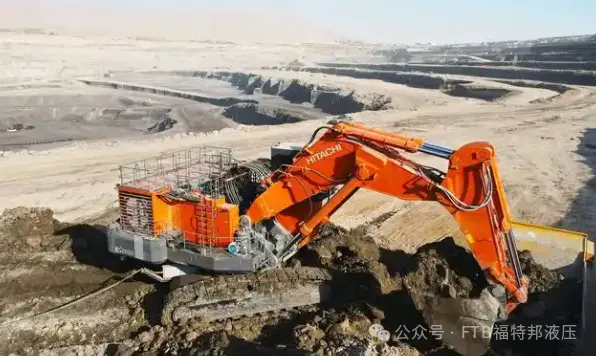
This means mine‑site customers do not focus merely on purchase price. They care far more about equipment uptime reliability, the service life of hydraulic components, downtime recovery speed, local spare‑parts inventory availability, and rapid on‑site access to service technicians.
Accordingly, for Chinese hydraulic‑component suppliers, Minas Gerais merits deep research centred around high‑frequency repair demands and the after‑market.
Rio de Janeiro Business opportunities in Rio de Janeiro relate largely to energy, oil & gas operations, ports, infrastructure and large‑scale engineering projects. Enterprises supplying heavy‑duty equipment, construction solutions, energy‑project hardware or industrial supporting products should prioritise this market.

Espírito Santo Although its population and economic scale lag behind São Paulo, it features prominent port, mining, steel‑making and foreign‑trade activities. Its main relevance for Chinese firms lies in ports combined with industry and export‑import logistics. Any future plans to set‑up import facilities, warehouses or regional distribution networks in Brazil must therefore factor in its port infrastructure.

II. South Region
A Mature Manufacturing Market | Suited for High‑Quality, High‑Reliability Products Brazil’s South region includes Paraná, Santa Catarina and Rio Grande do Sul.
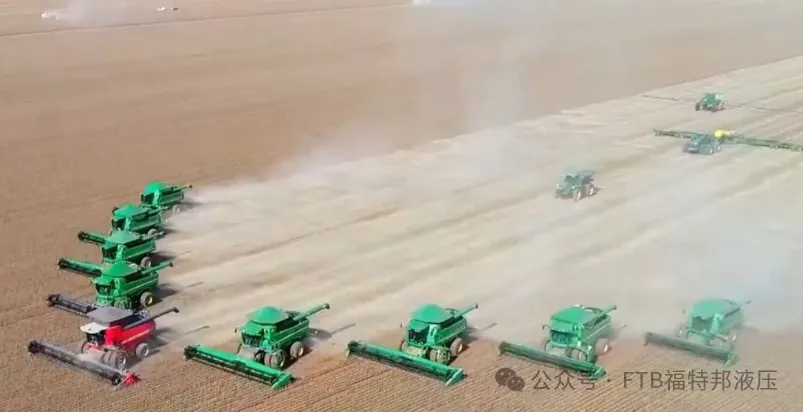
While its population is smaller than the Southeast, it boasts well‑established manufacturing, agriculture, food‑processing, mechanical‑engineering and logistics sectors.
One distinct market trait stands out for construction‑machinery suppliers: customers, especially industrial buyers, place heavy emphasis on product stability and total cost of ownership over the equipment lifecycle.
A Hydraulic Valve, hydraulic pump, motor or spare part may carry a slightly lower unit price than competing alternatives; yet short service life, high failure rates, inconsistent delivery, absent after‑sales support and slow parts supply will negate any price advantage.
Conversely, proven product reliability, dependable deliveries, clear technical specifications and responsive after‑sales service pave the way for long‑term cooperative relationships.
Paraná State Worth attention for agricultural‑machinery and industrial clients Agriculture plays a vital role in Paraná, alongside automotive manufacturing, mechanical industries and logistics. Curitiba acts as a key industrial and commercial centre, while the Port of Paranaguá represents one of Brazil’s major agricultural‑export gateways.
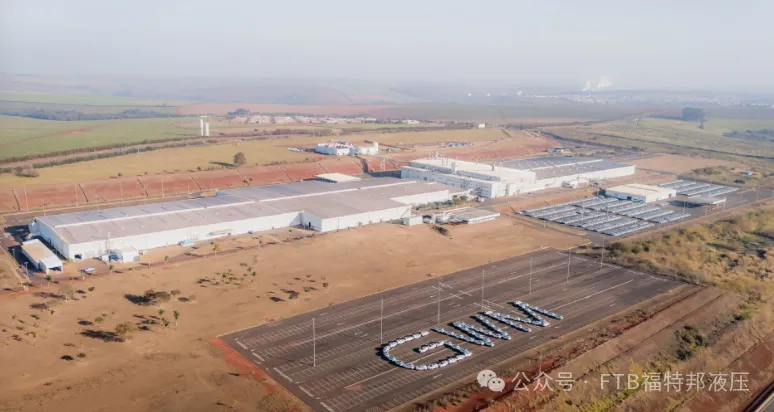
This creates a complete industrial chain integrating agriculture, manufacturing and port‑side logistics. Chinese suppliers of agricultural machinery, Excavator Spare Parts, hydraulic systems, industrial components or repair parts should treat Paraná as a priority research target.
Santa Catarina State Concentrated manufacturing customer base Santa Catarina hosts industrial clusters for machinery & equipment, food processing, furniture and ceramics. Such a solid industrial base translates into large installed equipment volumes, sustained repair‑service demand and dense concentrations of industrial buyers. Companies targeting component sales rather than complete machinery sales will find this market especially relevant for spare parts, hydraulic elements and service‑replacement products.
Rio Grande do Sul State Balanced agriculture and industry Rio Grande do Sul combines farming, livestock raising and mechanical manufacturing.
One easily‑overlooked risk factor for construction‑machinery businesses is local climate and logistics. Extreme weather events such as floods can disrupt roads, warehousing and transportation. When developing spare‑parts distribution channels across the South, businesses must look beyond customer locations alone. Warehouse siting, appropriate inventory levels and alternative logistics routes all require careful planning.
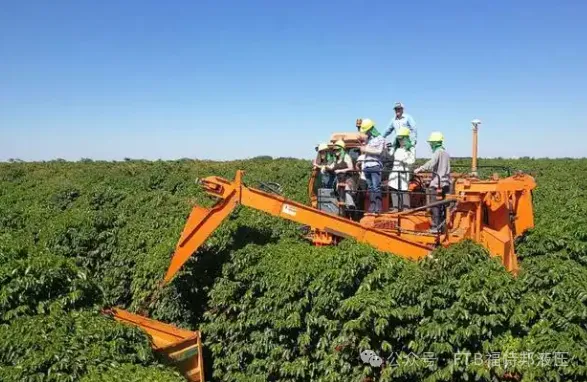
III. Northeast Region
Strong Growth Potential for Equipment Stock | Higher Demands on Distribution and Price Systems The Northeast comprises nine states, with a total population of roughly 54.64 million (2022).
Major market drivers include its large population base, numerous urban centres and ongoing infrastructure‑ plus energy‑sector projects. Compared with the Southeast, however, market demand is far more geographically dispersed.
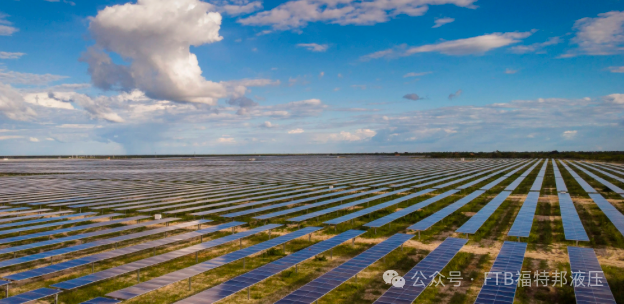
When selling construction‑Machinery Spare parts in this region, attempting full coverage across all nine states from the outset is unrealistic. A more pragmatic strategy is to select one regional hub and build dealer networks radiating outwards.
Bahia State High‑priority target for construction‑machinery enterprises Bahia ranks among the Northeast’s largest states by population and economic output. Its industrial spectrum spans petrochemicals, automotive assembly, mining, agriculture, tourism and public infrastructure. These sectors continuously generate demand for excavators, loaders and related hydraulic spare parts, particularly within agricultural and industrial projects. Companies aiming to enter the Northeast Brazilian market should rank Bahia near the top of their priority list.
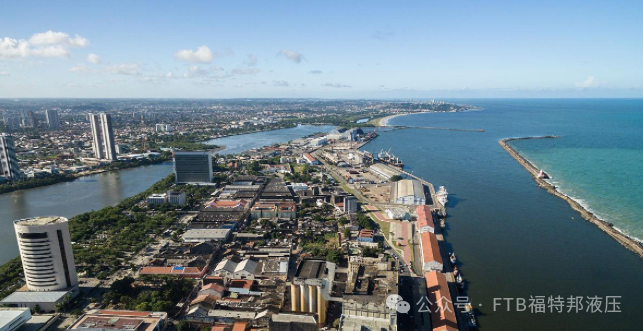
Pernambuco State Focus on Recife and its surrounding areas Recife possesses port facilities alongside healthcare, education, IT and modern‑service industries. From an after‑market perspective, its urban and port‑driven economy creates steady requirements for equipment repair, warehousing, logistics, construction work and spare‑parts circulation. It is well‑suited for developing channel structures built around importers, dealers and repair service providers.
Ceará State Observe opportunities in construction and renewable energy Ceará sees high activity within tourism, manufacturing and renewables. In particular, expanding wind and solar‑power capacity generates new civil‑engineering and equipment‑maintenance demand.
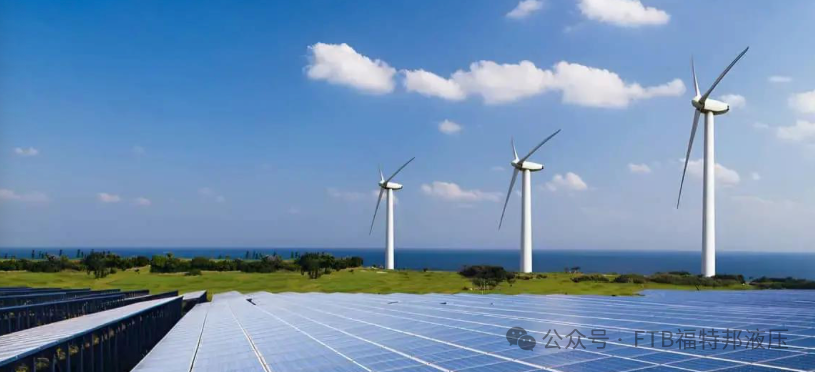
Although these are not traditional “excavator‑market” segments, project construction phases still require extensive earth‑moving, foundation work, road‑building and equipment haulage. Therefore, companies should not fixate solely on conventional building construction; energy projects themselves create meaningful construction‑machinery consumption.
IV. North Region
Not a Population‑Driven Market — Centred on Mining, Resource Development and Special‑Purpose Projects Brazil’s North region includes Amazonas, Pará, Rondônia, Acre, Roraima, Amapá and Tocantins.
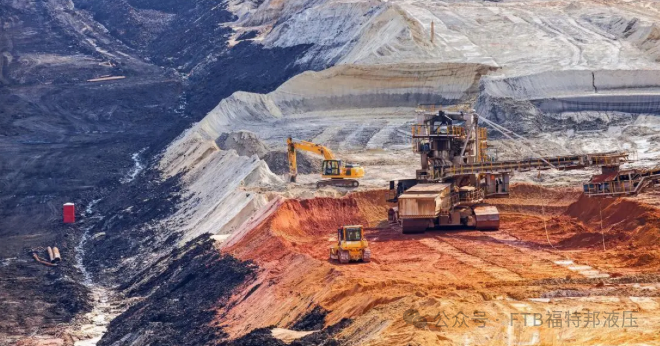
Judged purely by population, it is not an immediate top‑priority market. Its value shifts dramatically when viewed through the lens of mineral exploitation, resource development, large‑scale engineering and port‑side logistics.
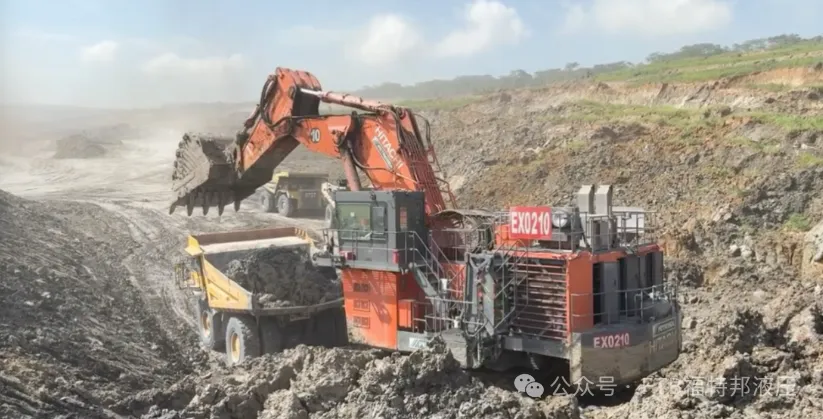
Pará State Especially noteworthy for construction‑machinery enterprises Pará holds significant mineral reserves plus agricultural industries. Mine‑site equipment features large machine sizes, heavy‑duty operating cycles and frequent repair requirements. This creates substantial after‑market opportunities.
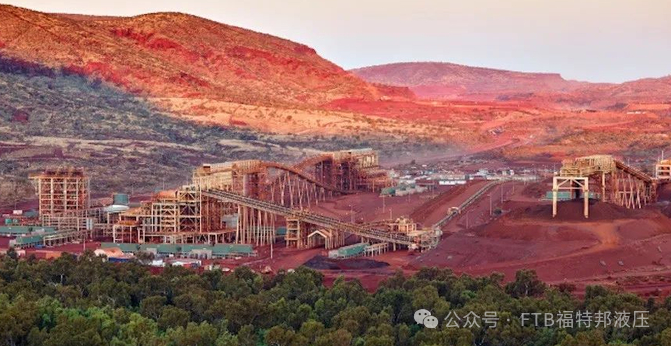
Continuous machine operation inevitably brings wear to hydraulic pumps, valve failures, cylinder servicing, seal replacements and maintenance needs across hydraulic piping and other components.
For Chinese hydraulic‑system suppliers, mining districts represent not merely a sales market for complete machinery, but also a high‑value market for after‑market spare‑parts.
Amazonas State (Manaus) Manaus Free Trade Zone forms a distinctive manufacturing cluster with production of motorcycles, electronics, air‑conditioners and other goods.
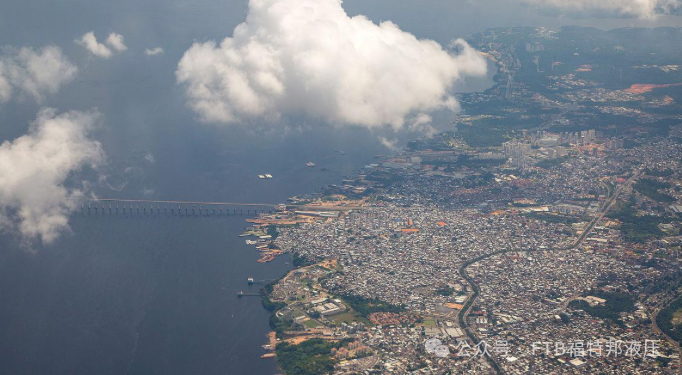
Construction‑machinery operators must note that local logistics cannot follow São Paulo‑style operational models. Water‑borne transport, air freight and warehousing exert considerable cost impacts.
High‑value, relatively compact hydraulic assemblies and core components may represent promising product categories here. End‑users fear costly machine downtime far more than moderately higher component prices — a core logic within construction‑machinery after‑markets.
V. Central‑West Region
Indispensable for Brazilian Agricultural‑ and Construction‑Machinery Operators The Central‑West covers Mato Grosso, Mato Grosso do Sul, Goiás and the Federal District. Home to only approximately 8 % of Brazil’s national population, it supports an extremely robust agricultural base. According to IBGE statistics, grain, legume and oilseed output reached 144.6 million tonnes in 2024, accounting for 49.4 % of Brazil’s total national production.
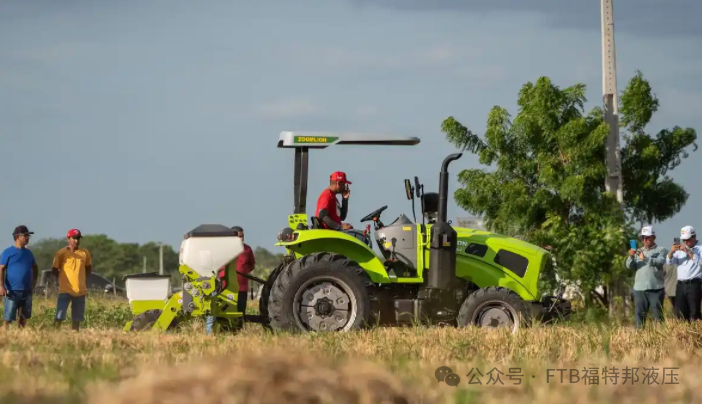
Analyses for this region should extend beyond building‑construction demand to cover agricultural machinery, earth‑moving equipment, logistics hardware and service‑repair ecosystems.
Mato Grosso State Key market for agricultural and construction machinery Mato Grosso constitutes Brazil’s major agricultural heartland, with vast soybean, corn and cotton output plus livestock‑raising industries. Large‑scale farms, storage facilities, road construction, land‑clearing work, irrigation and logistics all generate mechanical‑equipment requirements.
End‑users prioritise machine reliability; equipment breakdowns can directly disrupt entire agricultural production cycles. When selling spare parts here, Chinese enterprises are not merely supplying discrete components. They are selling dependable stock availability, fast order fulfilment, technical support and responsive after‑sales service.
Goiás State Cross‑over market for agriculture and industry Goiás combines agriculture, mining, food‑processing and general‑industry activity. It presents relevant opportunities for excavators, loaders, engineering vehicles plus associated hydraulic and repair parts.
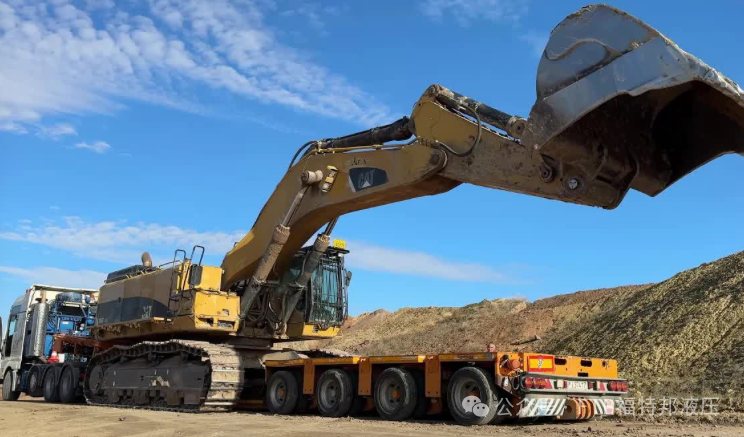
When evaluating potential locations for regional warehouses inside Brazil, the Central‑West should feature in site‑selection modelling. Warehouses do not necessarily have to sit close to seaports. Proximity to inland agricultural end‑customers can carry greater importance than port proximity.
VI. For Chinese Hydraulic‑Component Suppliers: Focus on the Equipment After‑Market
Reviewing these five regions together reveals a vital insight. When entering Brazil, construction‑machinery firms must analyse not only “where new machines are sold”, but also “where large fleets of already‑operating machines are located”.
These are two separate questions. New‑machine sales drive original‑equipment turnover; the after‑market drives spare‑part consumption, repair activity and repeat long‑term purchasing.
Take excavators as an example: commercial value persists long after new‑unit sales conclude. Engines, hydraulic pumps, main control valves, pilot valves, overflow valves, solenoid valves, cylinders, motors, seals and countless other parts generate replacement demand throughout each machine’s service lifespan.
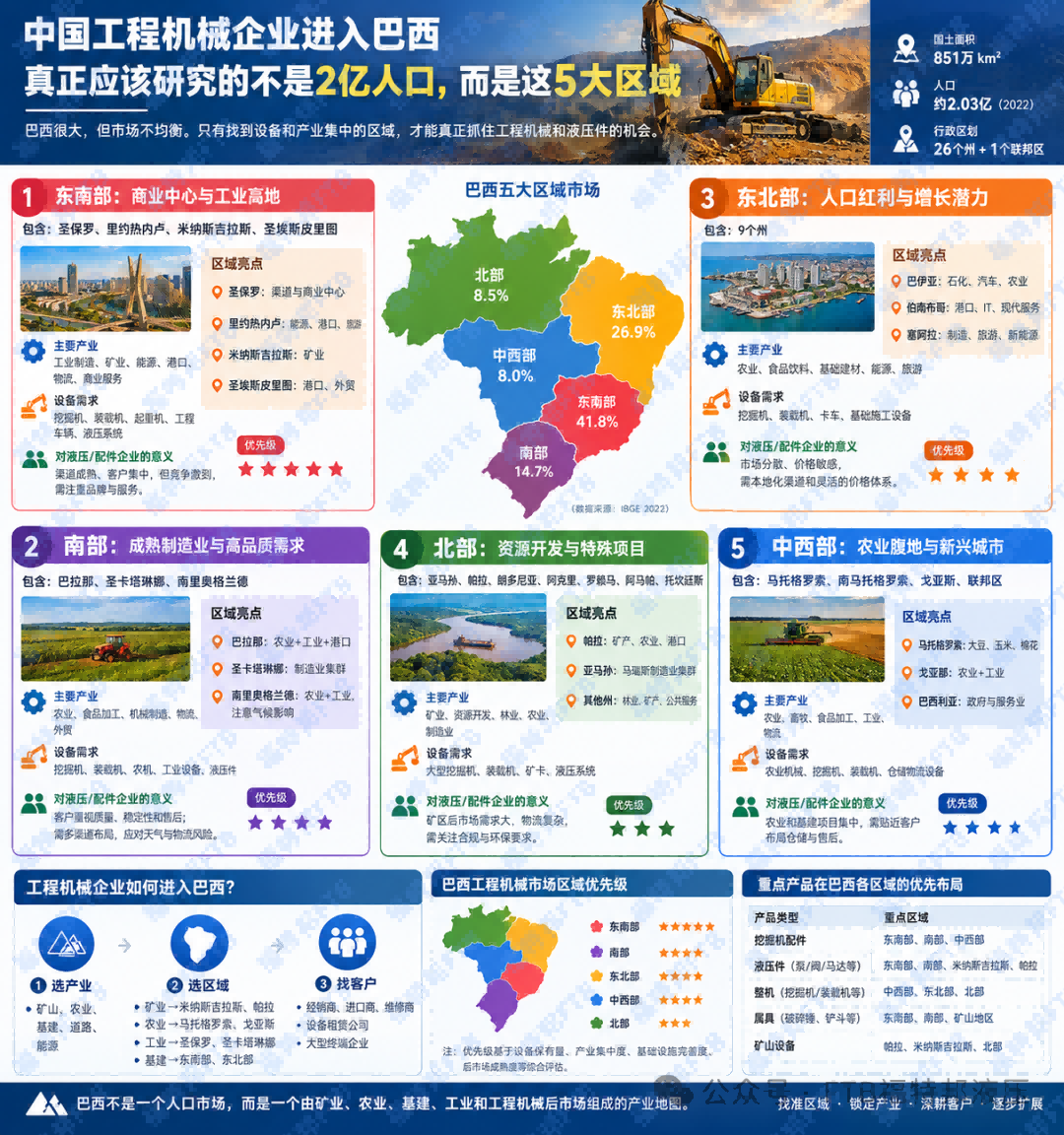
Chinese hydraulic‑component suppliers should therefore build four overlapping reference maps for Brazil:
1.Equipment map: Where are excavators, loaders and mining‑/agricultural‑machinery fleets concentrated?
2.Industry map: Where are mines, large farms, infrastructure projects, ports and energy‑sector developments situated?
3.After‑market map: Where are repair workshops, construction‑equipment dealers, spare‑parts wholesalers, hydraulic‑repair specialists and product importers located?
4.Logistics map: What are lead‑times from ports to end‑customers? What are local warehousing costs? How is regional last‑mile distribution organised? Can urgent spare parts be delivered rapidly?
The true Brazilian construction‑machinery market emerges only when these four maps are superimposed.
VII. Advice for Chinese Enterprises Entering Brazil: Avoid Nation‑Wide Agent Recruitment at the Outset
This represents a common pitfall. Impressed by Brazil’s overall market size, companies recruit agents nationwide, roll‑out broad advertising and deploy products country‑wide. While numerous enquiries arrive, stable, repeatable order volumes often fail to materialise.
A more rational workflow follows three sequential steps:
1.Select target industries first: e.g. mining, agriculture, civil infrastructure, road building, energy projects.
2.Select target regions second:
Mining → Minas Gerais, Pará
Agriculture → Mato Grosso, Goiás, Paraná
Manufacturing industry → São Paulo, Santa Catarina
Large‑scale infrastructure projects → major cities across the Southeast and Northeast
3.Define target customer profiles third: Search terms should go beyond generic keywords such as Excavator Parts Brazil. Target searches should identify Excavator Parts Distributor, Hydraulic Parts Distributor, Construction Equipment Dealer, Hydraulic Repair Shop, Excavator Parts Importer, Mining Equipment Supplier.
Sustained order flow typically comes not from one‑off end‑user enquiries, but from distributors, importers, repair workshops, equipment‑rental companies and large‑scale industrial end‑customers.
VIII. Real Market Opportunities for Chinese Hydraulic‑Component Businesses in Brazil
If your product portfolio includes hydraulic pumps, hydraulic motors, main control valves, pilot valves, solenoid valves, relief valves, joystick valves, foot‑pedal valves, cylinders and other construction‑machinery hydraulic spare parts, do not start your Brazil‑market assessment with national population statistics.
Instead, focus on geographic zones featuring the highest installed equipment bases and the most intensive machine utilisation.
Population does not equal construction‑machinery demand. GDP does not automatically translate into after‑market consumption.
Genuine market capacity is determined by this composite formula:
Equipment quantity × operating intensity × equipment age × repair frequency × local spare‑parts supply capability.
Industry data confirms excavators hold substantial market share within Brazil’s construction‑machinery sector, with mining, infrastructure and road‑building acting as core demand drivers. Machinery import volumes remain significant, and Chinese suppliers have built a notable presence among import sources.
The question is no longer whether a Brazilian market opportunity exists. It centres on identifying correct geographic zones, appropriate customer groups and viable market‑entry approaches.
Conclusion: Approaching Brazil’s Construction‑Machinery Market — Focus on Where the Equipment Operates, Not Just Population Figures
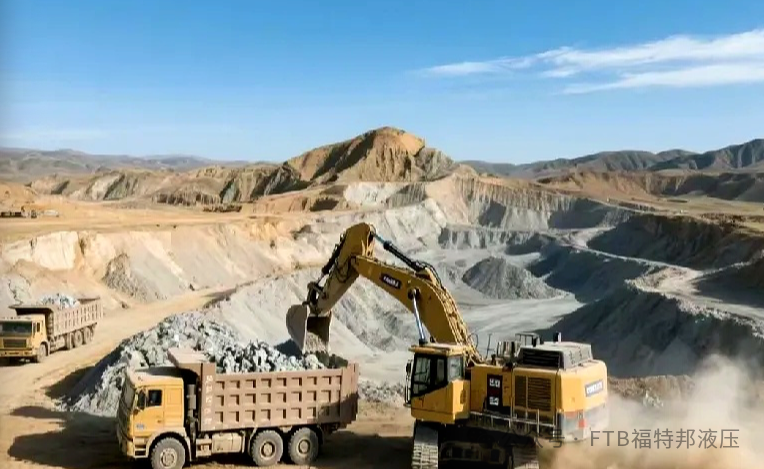
For Chinese construction‑machinery enterprises, Brazil’s most valuable analytical resource is not a population‑distribution map. Priority questions are: Where is the equipment working? Where are the mines? Where are agricultural‑machinery fleets concentrated? Where are engineering projects underway? Where are repair workshops, spare‑parts distributors and hydraulic‑service providers located? Layer logistics costs and fulfilment capacity onto this analysis.
You will then perceive not merely a country of 200 million inhabitants, but a vast industrial landscape defined by mining, agriculture, infrastructure, manufacturing and construction‑machinery after‑market segments.
Chinese entrants do not need to pursue nationwide coverage from day one. Identify one highly‑concentrated industrial zone; secure a cohort of knowledgeable construction‑machinery customers; validate product fit, pricing, distribution, logistics and after‑sales processes within that single region; and then replicate proven successes elsewhere.
This delivers a more realistic, risk‑controlled market‑entry pathway for Chinese construction‑machinery and hydraulic‑component firms. Brazil is enormous — yet your first step should aim for precision, not scale.