
 +8613126993997



Company News

0102030405
The United States has imposed a 25% tariff on chassis components from China! Shuffling of the supply chain for overseas distribution
2026-09-03
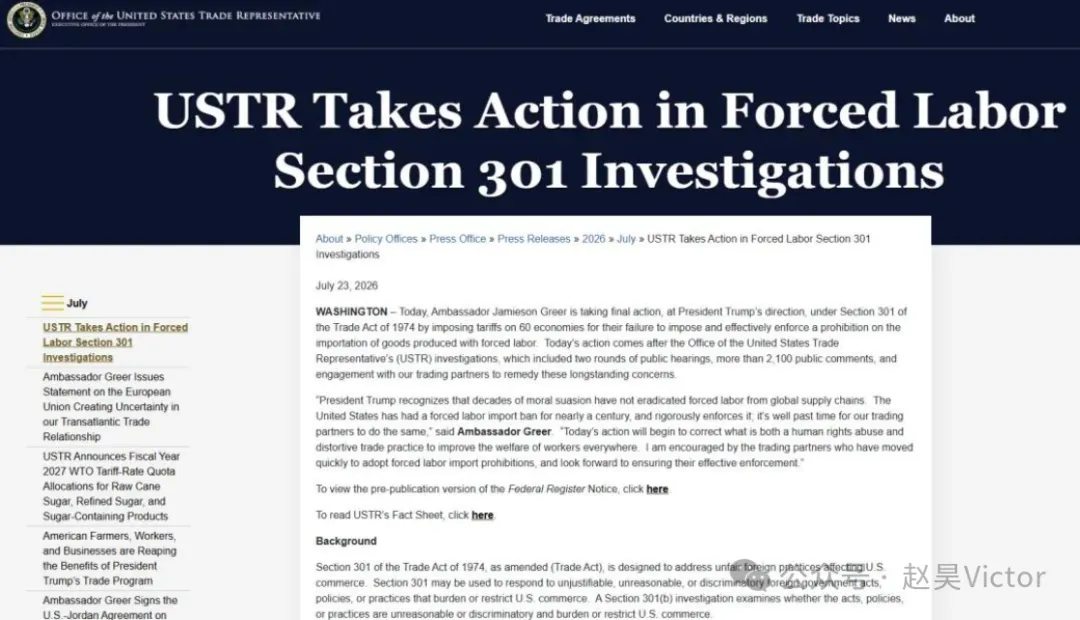
I have always believed that the biggest risk of engineering machinery going abroad for foreign trade is never internal competition among peers, but sudden changes in policies.
Just like this year, the United States officially imposed an additional 25% tariff on chassis components such as excavator tracks, support wheels, and guide wheels, affecting the entire industry chain.
From the quotes from domestic factories to the purchasing decisions of overseas distributors, every link is passively changing.
What does the implementation of additional tariffs mean? How many people have been affected? How should future decisions be made?
I want to talk to everyone about this issue. This article is quite long, but I believe it will be helpful to some people.
01 Cost Transmission of Supply Chain
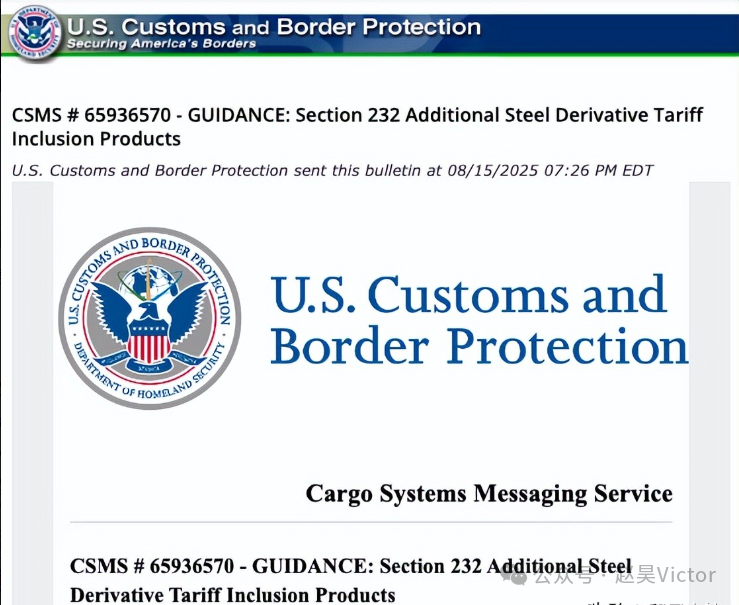
Screenshot of the US Customs CBP Steel Products Tariff Implementation Notice
Let's first understand what it means to impose a 25% tariff?
This is not just about American importers paying extra taxes and fees.
Although tariffs are imposed on the importing party, they will ultimately be spread throughout the entire transaction process, and no one is willing to bear this additional cost alone.
For the category of excavator chassis accessories, the profit margin of the industry itself is well known to everyone. The gross profit margin of ordinary circulating tracks, support wheels, and guide wheels is not high at the factory, and they rely on scale and quantity to maintain survival in the long run.
When the additional 25% tariff is added to the basic import tax rate, the comprehensive procurement cost of goods arriving at the US warehouse directly increases significantly.
The logic of overseas distributors is very realistic. They have to face price competition in the local terminal repair market, and end customers have relatively fixed purchasing budgets for parts, so they cannot accept price increases without restrictions.
If dealers pass on costs to end customers, sales will decline; If you bear the cost of tariffs yourself, there will be no profit or even loss in a single transaction.
In such a dilemma, the first change that occurred was that customers began to force domestic factories to lower prices and jointly digest the cost pressure brought by tariffs.
Many factories can only compress their profit margins in order to maintain their long-term cooperative customers. Some factories that focus on low-end homogeneous products even suffer losses after accounting for their orders in the United States, forcing them to reduce their shipment volume in the US market.
Starting from the second quarter of 2026, the procurement logic for chassis parts imports in the US market has been changing.
Previously, overseas distributors prioritized the cost-effectiveness and supply stability of Chinese products when purchasing, but now their first reaction is to calculate the total landed cost including tariffs.
Some long-term cooperative old customers will not immediately terminate their cooperation, but will reduce the procurement scale of a single order and observe the subsequent policy direction of the market;
Some traders have started to split their procurement lists, with some orders remaining in China and others being sent to inquire about Southeast Asian factories for multi-party price comparisons.
The US market has always been a very important overseas market for excavator aftermarket chassis parts, with a huge stock of Construction Machinery and stable maintenance and replacement needs throughout the year. Tracks, support wheels, and guide wheels are high-frequency consumables with a large market volume.
It is precisely because this market cake is large enough that the shock to the entire industry is so obvious when the tariff policy changes.
The production capacity layout and product specification development of many factories in the past years were based on matching the demand for models in the North American market. Now that policy barriers have suddenly risen, the price advantage accumulated in the past has been greatly weakened, which is also the root cause of anxiety among many peers.
02 Southeast Asia's Storm is Coming
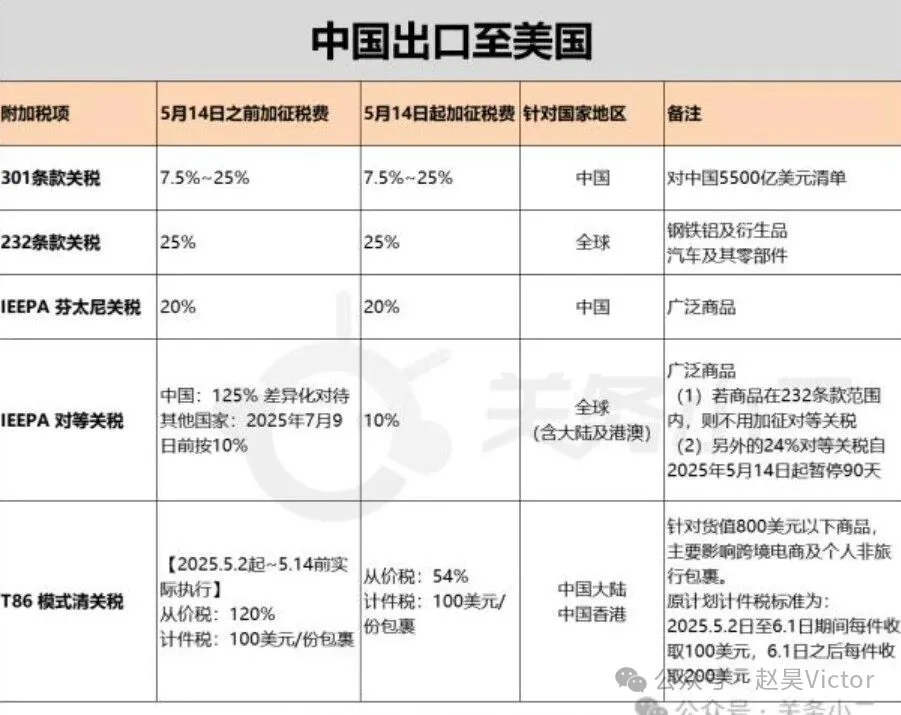
Summary Table of Tariff Rates between China and the United States
Will Vietnam and Thailand's accessory factories quickly take away our overseas orders after the United States imposes tariffs?
Many American dealers are indeed actively seeking local chassis parts suppliers in Southeast Asia, and some small-scale trial orders have begun to land. This trend objectively exists and we cannot ignore it.
But at the same time, I also want to remind colleagues in the industry not to panic excessively. The Southeast Asian supply chain wants to fully undertake the production capacity of domestic chassis parts, but there are still many shortcomings that cannot be avoided in reality, and it is difficult to achieve them in one step in the short term.
From the perspective of industrial foundation, the Construction Machinery Parts industry in Vietnam and Thailand started relatively late, and the complete chassis parts industry chain has not been fully established.
Chassis accessories may seem like simple steel castings, but they have high requirements for steel raw materials, heat treatment processes, quenching hardness, and sealing components. The wear resistance of support wheels and guide wheels, as well as the tensile strength of tracks, directly determine the service life of the accessories under construction conditions.
Local steel mills and heat treatment processing plants in Southeast Asia have limited supporting capabilities. Many so-called Southeast Asian factories essentially purchase raw materials and core components from China and complete simple assembly and processing locally, rather than complete local full process production.
This brings two issues:
The first issue is the uneven stability of product quality, with large fluctuations in hardness and wear resistance among different batches of products. For overseas aftermarket distributors who are looking at repair rates, unstable quality is a major hidden danger;
The second is the risk of rules of origin. If the goods are simply assembled and do not meet the local value-added ratio, they will still be judged as originating from China when exported to the United States, and will still need to pay a 25% tariff.
Many overseas buyers have already suffered losses in this regard and will be particularly cautious when checking the origin information when placing orders.
Looking at production capacity and delivery capability, after decades of development, mature chassis parts industry clusters have been formed in China, such as Quanzhou and Jining. The upstream and downstream supporting facilities are highly concentrated, from raw material procurement, rough casting, machining, heat treatment to finished product shipment. The entire chain has a fast response time and can undertake large orders, as well as quickly respond to customers' non-standard customization and small batch replenishment needs.
The related factories in Southeast Asia have a relatively small overall production capacity, and the workers' technical proficiency is insufficient. When encountering large quantities of orders, the delivery time is easily extended.
When overseas distributors do parts business, warehouse inventory turnover efficiency is crucial. If delivery time cannot be guaranteed, it will directly cause warehouse stockouts, affecting local terminal supply. This is also the core reason why many customers dare not directly transfer all large orders.
Of course, we cannot underestimate the competitive pressure brought by the Southeast Asian supply chain.
The dividend of tariffs will continue to attract capital to invest in the Construction Machinery Parts track in Southeast Asia, and the local area is also continuously improving the supporting facilities of industrial parks, gradually filling the gaps in the industrial chain.
Nowadays, many domestic factories are also participating in local production in Southeast Asia through investment in building factories and cooperative OEM, which means that we are also promoting the outward migration of our supply chain.
The future situation is not simply Southeast Asian factories replacing Chinese factories, but the global supply pattern of chassis parts will become more diversified.
American distributors will not put eggs in the same basket, and will form a multi supplier procurement model. Some orders will be given to Southeast Asia, while others will still be left to domestic factories with quality advantages.
For domestic practitioners, the real competitors are not factories in Southeast Asia, but our own old model of relying on low prices to increase volume for a long time.
Low end homogeneous products will be the first to be eliminated by the market under tariff barriers, and only products with quality barriers have the confidence to negotiate.
How to adjust the excavation and allocation for going out to sea in 03
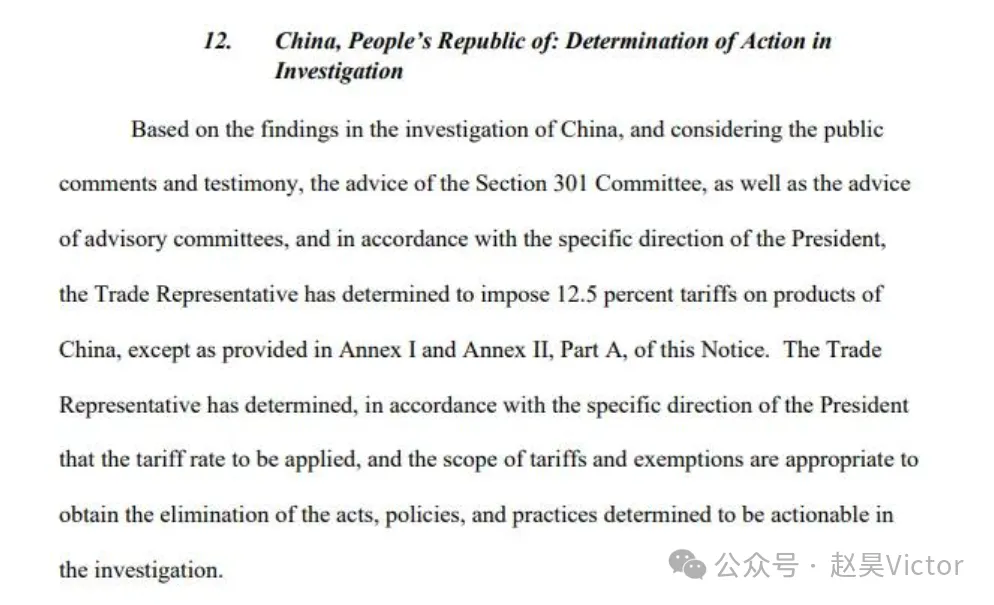
Excerpt from the original text of the Federal Register tariff measures in the United States
The tariff policy has strong uncertainty, and no one can predict whether the tax rate will be adjusted in the next few years. As a physical factory, we cannot rely on policy changes to ensure the survival of our enterprises.
External barriers are already in front of us. Instead of worrying about order loss, it's better to focus on sorting out the chips in our hands and finding a suitable survival path.
Based on the current situation of the entire industry, I have a few thoughts to share with colleagues who also make chassis parts.
Firstly, we should objectively view the US market and not overly rely on a single overseas market.
In the past, many factories tilted the vast majority of their resources and production capacity towards the North American market, and once the trade environment changed, companies would directly bear huge impacts.
The global Construction Machinery aftermarket is not only in the United States, but also in the Middle East, Africa, and Southeast Asia. Infrastructure projects continue to be released, and the number of excavators is increasing every year. The demand for replacement of chassis wear and tear parts is very strong, and many regions have more friendly tariff conditions, with huge market potential.
Secondly, we need to break out of the vicious cycle of low price competition and focus on settling in the direction of high value-added products.
A 25% tariff is overwhelming pressure for low-priced and high-volume ordinary accessories, as the product's profit margin is meager. With the addition of tariffs, the price completely loses competitiveness.
But if you make upgraded chassis accessories with high wear resistance and high strength, the product itself has a quality premium, and customers are willing to pay for a longer service life, the cost pressure brought by tariffs can be partially digested.
The external trade environment has changed, and the old path is becoming increasingly difficult to follow. The trend in the future is to use product strength to win customers, rather than simply competing on prices.
Even if the order size does not skyrocket instantly, customer stickiness will be higher, and the ability to resist risks in the face of tariffs and supply chain fluctuations will be much stronger.
Regarding the issue of supply chain relocation, many peers are currently discussing building factories in Vietnam or Thailand or finding local factories to manufacture in order to avoid US tariffs. This is indeed a choice for some companies, but it is definitely not a universal shortcut.
Going abroad involves a lot of complex issues such as local labor regulations, supply chain support, origin compliance, and capital investment. Without sufficient research and reckless investment, it is easy to suffer losses.
The light asset OEM cooperation model also needs to thoroughly study the rules of origin to avoid the situation where the goods are still subject to high tariffs after investment, resulting in a fruitless outcome.
For most small and medium-sized factories, it is a more secure choice to prioritize polishing their domestic products and channels. Do not impulsively layout overseas production capacity just because you see others going abroad.
Finally, we also need to learn to gradually shift from simply selling products to a product plus service model.
Overseas distributors not only need a batch of qualified tracks and rollers, but also require technical support, specification selection, and after-sales support.
Provide technical support to customers and deepen the bond between them. When your value is not just about supplying goods, but also providing supporting services to customers, the cost of changing suppliers for customers will increase. Even if there are other competitors with lower prices in the market, customers will not easily lose them.
The arrival of trade barriers will definitely bring about a round of industry reshuffle, which will eliminate a group of factories that only know how to compete at low prices and have no core competitiveness, but at the same time, it will also leave opportunities for enterprises that are willing to deposit technology and polish products.
Throughout the years of development of foreign trade in Construction Machinery parts, it has never been smooth sailing, with various trade frictions and policy adjustments constantly emerging.
The market environment is always changing, and we cannot control external policies, but we can control the direction of our own factories. Short term pains cannot be avoided, but as long as we maintain the bottom line of our products, expand into diverse markets, and build our core advantages, we do not have to fear changes in the supply chain landscape.
In the next few years, the competition for global excavator chassis parts will no longer be just a simple price competition, but a comprehensive competition of quality, supply chain delivery, and comprehensive service capabilities.
External pressure is actually an external driving force for the transformation and upgrading of the entire industry. Whoever can withstand this cycle will have greater say in the global market in the future.