
 +8613126993997



Industry News

0102030405
Why Chinese Excavators Are Selling Worldwide Yet Facing Overcapacity
2026-06-30
Why Chinese Excavators Are Selling Worldwide Yet Facing Overcapacity
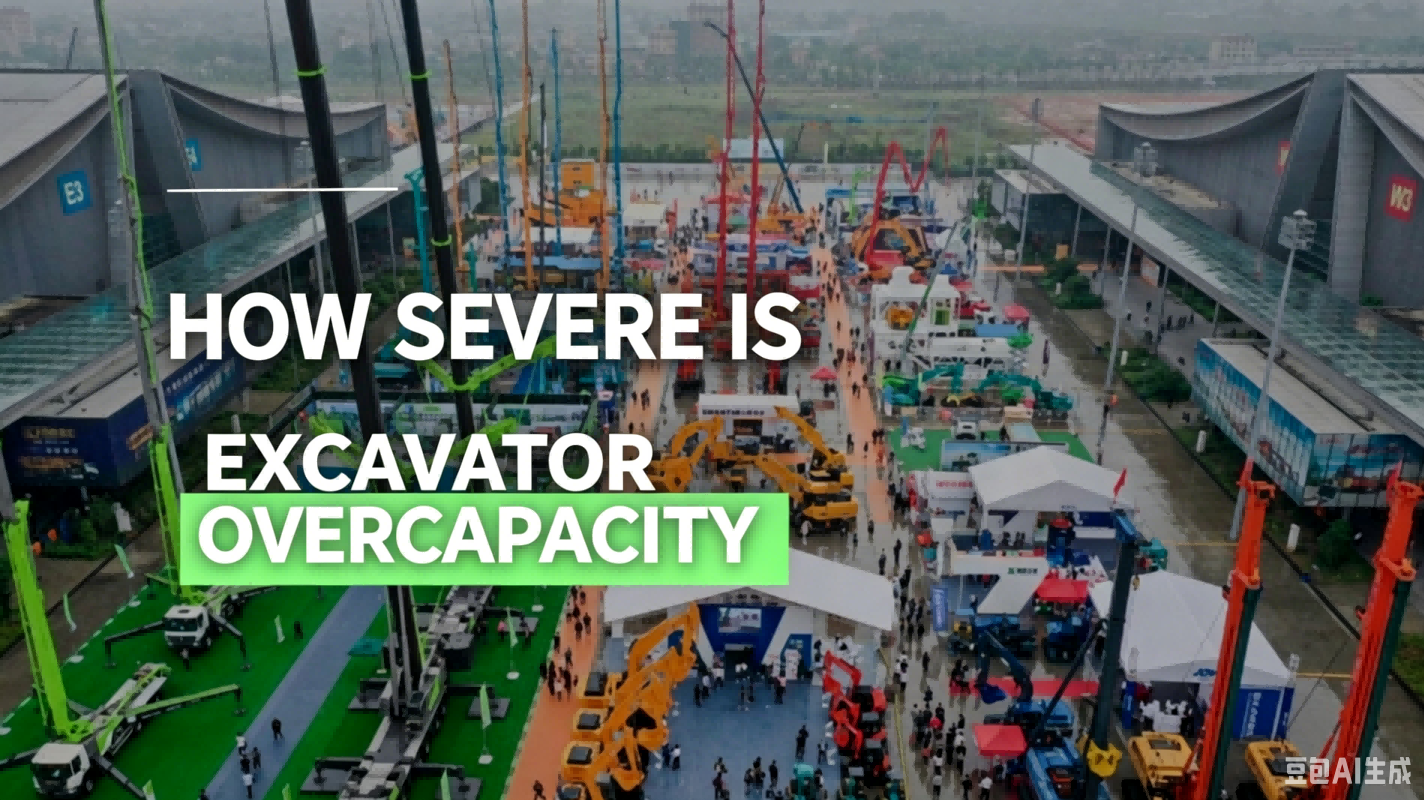 “What on earth should the Construction Machinery industry do right now? Once upon a time, excavator sales were a high-margin, lucrative business, yet today they have turned into a high-risk, low-return trade. Margins keep shrinking across finished machinery, spare parts and equipment leasing alike, forcing countless parts suppliers and dealers to downsize staff or shut down entirely. China’s Construction Machinery export volume rises year after year, and domestic excavator brands maintain steady momentum in overseas expansion. So why do we still suffer from industrial overcapacity?”
1. Higher Equipment Sales, Slimmer Profit Margins
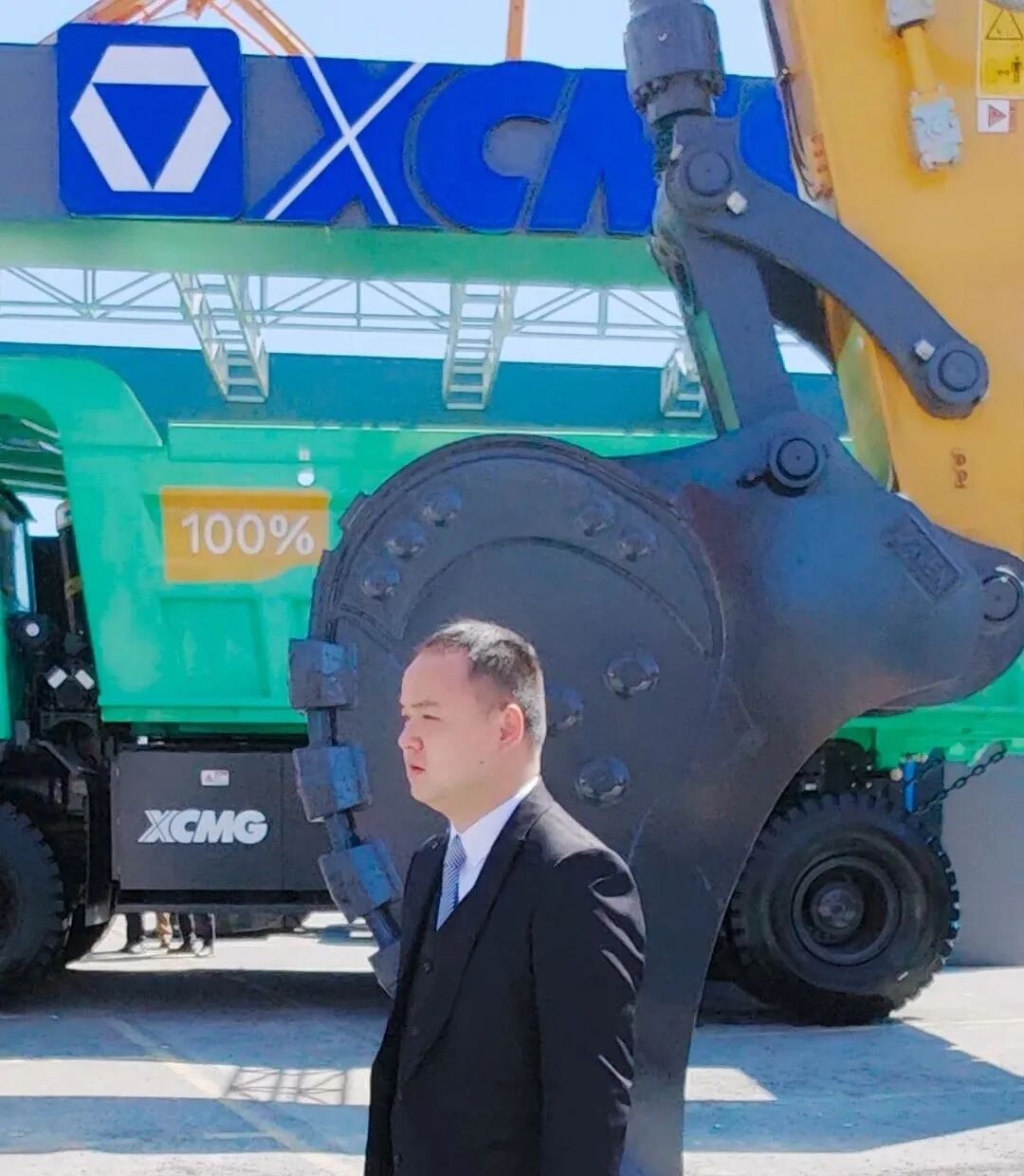 At the XCMG booth at Turkey’s Construction Machinery Fair in late May this year.
We all remember the decade-long boom the Excavator Industry once enjoyed. Back then, China rolled out a RMB 4 trillion economic stimulus package, paired with a period of rapid national development. Infrastructure projects flourished nationwide, drawing hordes of enterprises to this untapped blue ocean market, all eager to claim a slice of profits. Every manufacturer raced to expand production capacity and carve up market share. The explosive growth swiftly turned the market from a growth track into a stock market within a little more than a decade.
Overcapacity dragged down profits as the market neared saturation, yet original equipment manufacturers (OEMs) still set sales targets for new machines. To boost sales volume, they rolled out endless innovative marketing tactics: price cuts, zero down payments, complimentary spare parts, extended warranty periods, free maintenance services and more. Surplus production capacity flooded the market, upsetting the balance between supply and demand. The massive stock of idle equipment emboldened construction contractors, who grew increasingly reckless in delaying project payments and driving down bid prices, leaving excavator owners mired in hardship.
The more machines manufacturers sold, the thinner their profits grew, squeezing profit margins across the whole industry chain. To stay afloat, dealers began laying off employees, while OEMs pivoted to the after-sales market; technical specialists even switched to spare parts sales, leaving dealers saddled with massive inventory backlogs. A bizarre phenomenon plagues today’s excavator sector: every dealer, whether originally a technician or salesperson, has wound up selling spare parts.
Compounding the strain, OEMs’ free service policies place an unfair burden on dealers. Though dealers operate as limited liability companies, they are forced to provide unlimited liability guarantees for OEMs. Dealers have been cornered: finished machine sales yield no profits, and vehicle maintenance service models have nearly collapsed.
2. The Industry Is Not Severely Oversupplied—So Why Does It Feel Like a Crisis of Severe Overcapacity?
 Overseas revenue of China’s top three domestic excavator brands over the past decade (Image sourced online)
The Excavator Industry is like a walled city: outsiders wonder if entering the trade can still turn a profit, while insiders warn newcomers to stay far away. Equipment specs are being downgraded, hourly rental rates are falling, construction payments are hard to collect, and new projects are scarce. Most industry insiders attribute the sector’s slump to cutthroat price wars stemming from extreme overcapacity.
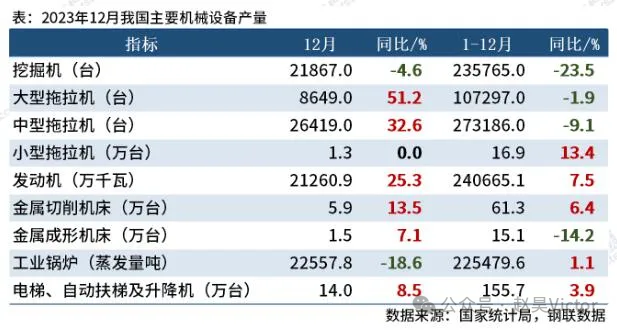
But just how severe is excavator overcapacity? Data from the National Bureau of Statistics shows China produced over 235,000 excavators in 2023, with 90,000 sold domestically and 105,000 exported. A widely cited Goldman Sachs report recently noted that certain overcapacity segments in China’s manufacturing sector churn out output exceeding total global demand, pushing cash profit margins below or equal to zero for over half of production capacity in those sectors. For photovoltaic modules and lithium batteries, excess capacity hits nearly 200% and 150% of total global demand respectively. A dark joke illustrates the glut in photovoltaics: European buyers import solar panels to use as cheap fencing that also generates electricity.
By comparison, the Excavator Industry’s 235,000 units of output versus combined domestic and overseas sales of 195,000 units amounts to mild overcapacity, far short of a critical surplus. Why, then, does everyone perceive a catastrophic capacity glut?
First, the domestic market is trapped in a downward cycle with stagnant domestic demand. Construction Machinery is inherently highly cyclical. After its upward cycle ended in the first half of 2021, the industry has endured three consecutive years of decline. Domestic market demand has plummeted, eroding customers’ purchasing power and forcing manufacturers to slash prices repeatedly, tormenting every link in the industrial chain. (Image sourced online)
Second, most major domestic infrastructure projects have been completed, shrinking domestic demand and amplifying the visible impact of overcapacity.
Third, Chinese excavator exports still face steep market barriers overseas, especially in Europe and North America. These two regions remain the world’s largest and core excavator markets, protected by stringent entry barriers for multiple reasons. Only three domestic manufacturers—Sany, XCMG and Zoomlion—possess the capacity to penetrate and establish a foothold in European and North American markets, and all three are still in the process of market expansion.
3. Overcapacity Is Not the Only Root of the Industry’s Troubles
(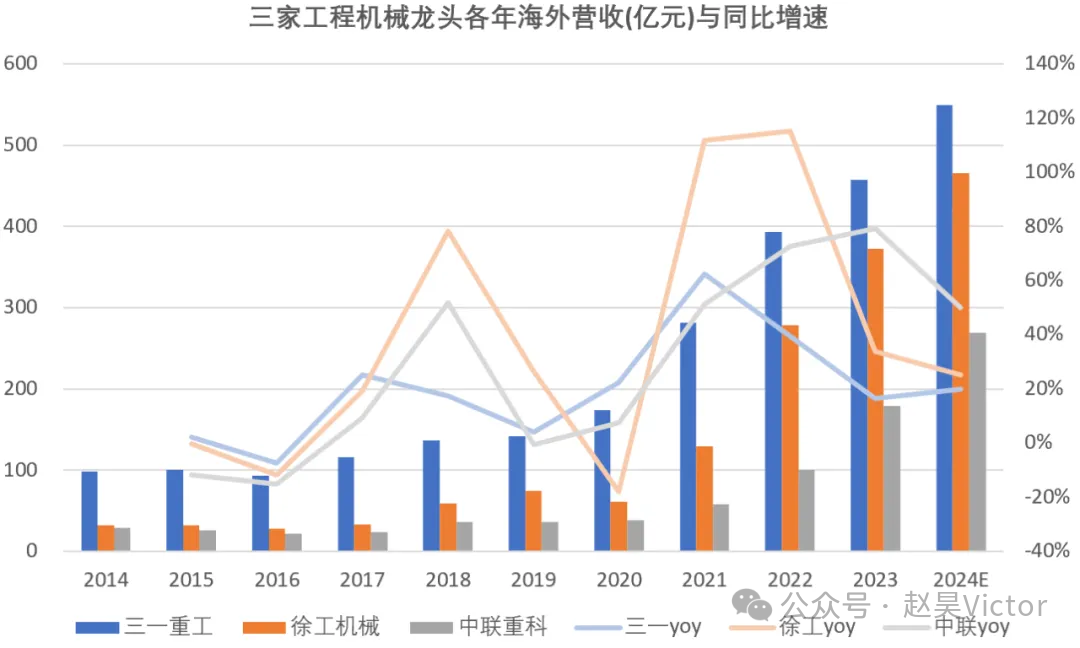 Image credit: @Moonlit Garments)
While industry discourse fixates on overcapacity, this is not the core, fundamental challenge for excavator manufacturers, nor a reliable metric to judge industry inflection points or development cycles.
Looking at fixed asset turnover ratios of China’s three leading OEMs: during the industry boom, fixed assets turned over 8 to 10 times annually; even amid the downturn, turnover still registers 4 to 6 times a year. This means Construction Machinery manufacturers and dealers prioritize high inventory turnover—moving excavators off production lines to end customers as quickly as possible. Fast inventory turnover optimizes capital efficiency and cuts costs incurred by unsold stock.
This explains why top players like Sany launched brutal price wars in recent years: they were willing to sacrifice partial profit margins to accelerate turnover. Smaller profits are acceptable as long as inventory sells fast.
Far more pressing than overcapacity are OEMs’ shortcomings in core competence, market strategy, product development, distribution channels and cost control. Resolving these pain points will ease dealers’ desperate predicament. For instance, overseas buyers will opt for Caterpillar over Sany or XCMG if they can afford it, prioritizing superior build quality. To gain traction in European and North American markets, domestic brands cannot rely on their domestic low-cost, value-for-money playbook; they must substantially ramp up R&D and technological investment.
In recent years, leading brands spearheaded by Sany have successively announced an end to blanket free after-sales services to lift service quality—a promising positive signal. To reverse the Excavator Industry’s slump, major OEMs must abandon unbridled, unprofitable cutthroat competition that disregards basic economic principles. When the industry enters its next upward cycle in the near future, demand will bottom out and rebound, and we can look forward to relief from issues including overcapacity.